Big Pharma Attempts to Extend Own Lifespan by Activating Sirtuins

Sirtuins can’t extend the life of a fly. Can they extend the life of a pharmaceutical company?

By Steven Dickman, CEO, CBT Advisors

Can drugs that supposedly “activate” a controversial target – sirtuin proteins – stop or even reverse the aging process? A new report this week said “No.” According to this report, published Wednesday night in Nature, sirtuin activators do not extend lifespan in roundworms and flies and earlier studies that said they did were flawed. Nonetheless, GlaxoSmithKline (GSK) continues to invest hundreds of millions of dollars into developing drugs to hit these targets – more about their findings below – and if the drugs work, for whatever reason, the scientific squabbles will not matter.

I recently had the chance to hear Harvard professor David Sinclair talk publicly about his and GSK’s research into sirtuin activators. Sinclair was the scientific founder of Sirtris and he reported at a forum on longevity in Cambridge, MA, that GSK has high hopes of near-term confirmation in mice that some sirtuin activators do extend lifespan. Based on its continued investment, GSK still believes that the $720 million acquisition of Sirtris in 2008 was a smart one.

To read the rest of today’s post, visit Xconomy here or copy-paste the link:

http://www.xconomy.com/boston/2011/09/23/big-pharma-attempts-to-extend-own-lifespan-by-activating-sirtuins/


Leave a comment

Filed under Uncategorized

How Google+ Could Transform Healthcare and Medicine

By Rich Whalley* and Steve Dickman

What could Google do if it had access to everyone’s health data?

You’re probably already thinking a few things:

  1. There’s no way I’m giving Google my personal health data.
  2. Didn’t Google already try to do this with Google Health?
  3. Won’t this take the “don’t” out of Google’s “don’t be evil” motto?

But bear with us. Imagine a healthcare system 10 years in the future that would make Obama proud.

I go to the doctor and find out that I’m at risk for developing type II diabetes and need to craft an effective set of measures to minimize my risk. I find out that there are multiple recommended approaches, including preventative medicines. We log in to my Google+ health data page and go through the extensive record of my diet, lifestyle and exercise data, as well as my genome. From this, we determine how my response is likely to compare to that of the average person at risk for diabetes.

Even if Obamacare is ultimately upheld, it’s hard to imagine that the government alone is capable of unifying and analyzing all this data through the implementation of electronic health records. A better solution may come from the private sector, where all the necessary tools are already developed. As we know from Wikipedia, the most comprehensive, cost-effective data sets often come from user-generated data.

In comparison to Wikipedia, and Google+, Google Health was never positioned to gain a large enough user base. Google Health also lacked the right social tools to become popular enough to generate anything like “big data.” Google+, by contrast, will likely gain mass adoption because of the Gmail user-base and Google’s recent moves in the smart phone space. Google’s core strengths—aggregate data analytics, Web app and smartphone integration—give it the inside track to become the ultimate user-generated health resource.

But how to proceed? Letting it grow organically might ultimately lead to a flop the way it did with Google Health. Instead, we have a few suggestions to take on and neutralize the privacy issue and grow via a clever acquisition. That way, Google can realize its full potential as a neutral data gatherer and let its users benefit from the analysis.

To read the rest of today’s post, visit Xconomy here or copy-paste the link:

http://www.xconomy.com/national/2011/08/24/how-google-could-transform-healthcare-medicine/

*Rich Whalley is an associate at CBT Advisors, a boutique consulting firm in Cambridge, MA. Rich graduated from MIT in 2010 with a Bachelor of Science in Chemistry.

Leave a comment

Filed under Uncategorized

Google Health is Dead, Long Live Google+

A Boston Biotech Watch guest post by Rich Whalley*

(Cross-posted to The Health Care Blog on July 20, 2011)

Now that Google has put its ill-fated Google Health project to rest, we are wondering who will make the next big attempt to establish a personal health record (PHR) platform for healthy people. Many have tried and many have failed, and there is still no popular platform for gathering, analyzing and sharing health data.

Adam Bosworth founded Google Health in 2006 to provide an online place for consumers to store their own health data. Bosworth left shortly thereafter and went on to found Keas, a SF-based web startup which takes a more social approach to tracking one’s health via a competitive point system. In a recent interview on TechCrunch, Bosworth spoke about why he thought Google Health had failed, “It’s not social,” and “Google didn’t push to see what they could do that people would want.”

Google Health failed in part because the user interface did not motivate most users to upload their health data. By contrast, one of the fastest-growing health sites on the internet, PatientsLikeMe.com, has built its online health community to an impressive 105,000 subscribers, focused first on patients suffering from chronic diseases like ALS (Lou Gehrig’s disease). The implied reward for this was high given the unmet health need, so it was an easy choice for patients to take the time to enter their valuable data. Healthy people have no such incentive for using PatientsLikeMe, but many seem to want to get in on the action. Armed with smartphones and social network memberships, a new health-savvy generation is looking to catalyze the growth of a new movement.

For every startup entering this field, the million dollar question is “just how easy can we make it for people to enter data and track their health?” It practically has to be automated in order to go viral, a prerequisite for aggregating the “big data” that could lead to marketable conclusions. There is a new line of VC-backed startups tackling this daunting task.

Withings internet-connected scale

Coming to a Twitter feed near you

Withings, based in France, has produced a Body Mass Index (BMI) weight scale which tracks BMI via iPhone or computer and even sends automatic tweets. Americans can get in-shape, and French people can laugh at the tweets of overweight Americans. With all parties happy, why haven’t we seen more development in this area of diagnostic innovation for healthy people? For one, there’s a large VC question around whether or not these startups can make a large ROI with their one-trick ponies. Won’t they be killed off by apps or hardware add-ons created for next-generation smart phones?

Consider Fitbit, a small, lightweight device that functions as a pedometer that tracks sleep and burnt calories throughout the day. One could argue that a small body clip is much more comfortable to wear than an iPhone 4, but Fitbit is primarily a consumer software play. Its hardware is no more than a tricked-out accelerometer, not unlike the ones found inside Nintendo Wii controllers. Recalling Flip Video, I can’t help but think the VCs at Softtech and True Ventures are losing some precious Fitbit-measured “actual sleep time” over certain prickly questions. Will next-gen smart phones eventually eat up FitBit’s market? Will Fitbit be lucky enough to get an exit before time runs out?

Sleeping Guy

Looking to share data on a universal personalized health platform? Dream on!

Withings, despite being partnered with the late Google Health, seems to have a flop-proof strategy of targeting diagnostic applications that are unlikely to be eaten up by new-fangled mobile devices. They recently released an FDA-approved blood pressure monitor that connects directly to the iPhone, and more impressively, already have two products on the market – with a baby monitor expected to hit the market later this year. While they may not be making big returns just yet, they might be able to become a leader in this space by putting up a solid enough barrier to entry.

What would need to happen for these companies to really take off? It’s probably going to involve a concerted effort from players in social networking to form better integrated health networks – a place for the data to live. Even though Google Health flopped, Adam Bosworth seems pretty confident about his new gig, but Keas is not exactly going viral just yet. So who’s left to take charge of the movement?

Google Health recycled

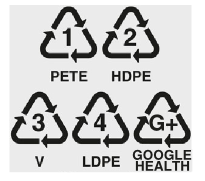
Is Google Health really going to waste, or will it be strategically recycled into a 100% post-consumer product?

PatientsLikeMe is currently limited to the chronically ill, and Facebook doesn’t seem to be making strides in this direction anytime soon. One of the most promising new platforms is Google+, termed “the Facebook killer.” If successful, Google has a golden opportunity to use Google+’s platform to provide a framework for people to manage personal healthcare data. For example, Circles allows users to select specific people and groups for sharing personal data of all varieties, including health data. Importantly, the platform can aggregate anonymized data across a very large user base. Will Google+ eventually become the personal health data platform? I would love to see this happen, but so far there is no hint that anyone at Google is working on healthcare apps for Google+. We can’t wait to see some startups tackle this. It’s only a matter of time.

# # #

1 Comment

Filed under Uncategorized

Exosomes: The Little Vesicles That Could

A Boston Biotech Watch guest post by Dima Ter-Ovanesyan*

When I mention to other biologists that I work on exosomes, I am used to getting blank stares. Exosomes, also sometimes called microvesicles, are small lipid vesicles secreted by all cells. Like many dark corners of biology, the exosome field is a province of a few experts and is still largely unknown to the mainstream. But thanks to some exciting early results and a long list of potential medical applications, exosomes are beginning to move out of the shadows and into the light. Exosomes were the subject of two sessions at the annual American Association of Cancer Research (AACR)  meeting earlier this month. In January, the first-ever conference on exosomes brought together more than two hundred researchers from around the world. And now even the popular press is picking up on the applications of exosomes to RNA interference (RNAi) drug delivery and diagnostics in fields ranging from cancer to diabetes.

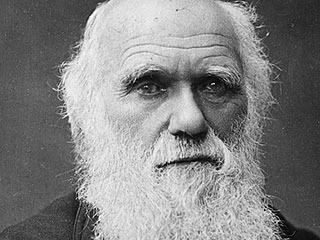
The concept of cells budding off small particles was actually first mentioned in Charles Darwin’s The Variation of Plants and Animals Under Domestication in 1868 and exosomes were first observed by electron microscopy in the 1980s. For twenty years after that, exosomes were thought by many to be nothing more than “cellular trash bags” that dump proteins deemed to have outlived their “use-by” date. This changed a few years ago, though, when a number of independent studies showed that exosomes actually contain not only protein but also RNA. This discovery opened the possibility of using the RNA in exosomes floating around in bodily fluids to learn all kinds of secrets about the cells that release them.

Charles Darwin

There first (as usual)

I learned about the diagnostic potential of exosomes in early 2009 when a venture capitalist asked my opinion on a business plan. The company, called Exosome Diagnostics, was being spun out of Massachusetts General Hospital (MGH) to develop new diagnostics based on analyzing the RNA in exosomes isolated from blood and urine. At the time, I was an undergraduate at MIT working on microRNAs. After reading the business plan, the patent filing, and the underlying scientific publication, I called the VC back. “This could be HUGE,” I told him. “We should get in on this,” he replied, and promptly forgot all about it. I did not. After graduation, I opted to learn more about exosomes through a brief stint at the Curie Institute in Paris. I then joined Exosome Diagnostics, which by then was flush with a $20M Series A.

The company’s platform is based on the work done at MGH, which showed that mutant RNA transcripts derived from key genes can be detected in exosomes released by cancer cells. Johan Skog and colleagues had shown that by isolating exosomes from blood and looking at the RNA inside, they could tell whether a patient’s tumor contained mutant EGF Receptor (EGFR) – establishing the proof of principle for exosomes as companion diagnostics. Oncologists could use them to peer into the genetics of tumor and decide whether a patient would be a good candidate for EGFR-inhibiting drugs such as Tarceva® and Iressa®. As pharma companies move increasingly towards targeted cancer therapies coupled to companion diagnostics (think PLX-4032, Plexxikon’s BRAF inhibitor for melanoma, or Crizotinib, Pfizer’s ALK inhibitor for lung cancer), the appeal of a blood or urine test instead of a biopsy to analyze specific mutations is not hard to see. This is particularly advantageous in cancers where obtaining a biopsy is difficult, like brain cancer or lung cancer.

I think that companion diagnostics in cancer are just the tip of the iceberg for exosomes in diagnostics. Several recent studies have shown that different levels of certain RNAs in exosomes and other vesicles isolated from blood correlate with different disease states. In other words, exosomes have RNA “signatures” for different diseases. One recently published study , for example, showed that a specific microRNA in vesicles derived from diabetics’ blood was elevated compared to vesicles taken from non-diabetics. Amazingly, the researchers also showed that this biomarker could potentially be used to identify patients who will get diabetes before any clinical symptoms occur. Although the test in the paper was not yet sensitive enough for the clinic, the results raise the intriguing possibility of using RNA signatures to predict disease, not just diagnose it.

Several reports at the January exosome conference highlighted diagnostic applications of profiling exosomal RNA in different diseases:

  1. Signatures of mRNA isolated from exosomes in the blood could be used to classify brain tumors based on aggressiveness.
  2. A specific microRNA isolated from exosomes in the cerebrospinal fluid (CSF) was found in brain trauma patients but not in healthy controls.
  3. Certain microRNAs isolated from exosomes in the blood of pregnant women could be used to predict premature births.

Although larger studies will be needed to confirm these effects, I imagine that, in the not too distant future, exosomes will join the list of proteins and metabolites currently profiled during routine blood draws. Through methods such as high-throughput sequencing, the RNA inside exosomes (dare I say “exo-transcriptome”?) will be analyzed and will prove spectacularly useful in helping physicians assess and track patient health.

Exosome Micrograph

I spy a novel class of biomarkers (Image courtesy Johan Skog and Casey Maguire, Massachusetts General Hospital)

Exciting as the potential of exosomes is in diagnostics, you may be wondering what they actually do. Are the different RNA profiles in exosomes more than a correlation? Do exosomes actually contribute to disease? This was an intense topic of debate at the exosome conference, and, after listening to four days of presentations on the topic, I would venture to say that we still really don’t know. The fact that exosomes contain RNA raises the extremely intriguing possibility that cells throughout the body communicate by sending each other little “packages” of RNA, and the RNA can then perhaps act in the recipient cells – be translated into protein in the case of mRNA or repress the expression of other genes in the case of microRNAs. And, if this is the case, one could imagine hijacking this pathway to deliver therapeutic RNAs and thereby overcome an enormous roadblock.

The main obstacle to realizing the tremendous potential of RNAi therapeutics is the challenge of delivery. Whether or not exosomes are actually used to transfer RNA between cells remains to be proven, but results presented at the exosome conference and recently published by a group at Oxford made the first attempt at this approach. Led by Matthew Wood, the group loaded modified exosomes with an siRNA designed to knock down the BACE1 gene implicated in Alzheimer’s Disease.  Although they used healthy mice as models, the researchers demonstrated proof-of-principle by showing reduced levels of BACE1 in the brain. Of course, it would be reassuring to know what exosomes actually do in the body before injecting them into patients, especially given that exosome-based drugs would be complex biologics composed of several different proteins, not just lipid vesicles. As we learn more about the biology of exosomes, however, I could imagine scientists designing exosome-mimicking particles with the minimum necessary components to carry the RNA therapeutic to its designated site in the body.

As evidenced at the exosome sessions at the AACR meeting, there is increasing interest in exosomes secreted by cancer cells. Cancer exosomes have been found to contain oncogenic mRNA and proteins, and it is thus tempting to speculate that exosomes may have a role in modifying the tumor microenvironment and helping the cancer spread. If true, one could even imagine using therapeutics to specifically target cancer exosomes. Unlike with the use of exosomes for diagnostics, however, the use of exosomes for therapeutics will require scientists to uncover some of the fundamental biology of what exosomes are and how they function. Luckily, as evidenced by the excitement at the exosome conference, there are at least two hundred of them up for the challenge.

# # #

*Dima Ter-Ovanesyan (dimatero@gmail.com) graduated from MIT in 2010 with a Bachelor of Science in Biology. At MIT, he worked on RNAi screens in cancer with Michael Hemann and microRNA targeting with Chris Burge and David Bartel. He was also an associate at CBT Advisors. He currently works at Exosome Diagnostics.

5 Comments

Filed under Uncategorized

Hacking Ourselves: “Biopunk: DIY Scientists Hack the Software of Life” by Marcus Wohlsen

April 14, 2011

A Boston Biotech Watch Book Review

By Steve Dickman, CEO, CBT Advisors

Marcus Wohlsen’s ahead-of-the-curve new book Biopunk: DIY Scientists Hack the Software of Life, brings us a radical idea: garage biologists are busily “hacking” their own genomes, cooking up a variety of novel and potentially useful wetware inventions. Some of these may look like Rube Goldberg contraptions right now, but they might change the world profoundly, much as mainstream biotechnology already has. Even (especially?) for those of us who live and breathe biotech in Cambridge, Massachusetts, this idea is fresh, even startling.

Steampunk personified

So much DNA, so little time*

Biopunk chronicles, for one, a young MIT-trained “DIY scientist” who created and ran a DNA test on herself in her Cambridge kitchen for less than $200. The test would cost thousands if ordered from a clinical lab. She used countertop gear to look for – and find – evidence that she had a predisposition for a hereditary and severe disease.

In another chapter, a research team in an undisclosed location crowdsources funds on the Internet to create “the world’s smallest version of the thermal cycler,” an all-important DNA analysis tool that would “wedge open the door … to peer-to-peer biotech.” Combined with “an as-yet hypothetical DNA reading chip” and some samples of pathogen DNA, the team’s invention could give a doctor or nurse working in the field in a developing country “an answer in minutes” about which pathogen had infected a patient.

And more: industrial-strength “DNA photocopiers” known as PCR machines encased not in sheet metal but in wood; an edgy conference called “Outlaw Biology?”; and a pony-tailed bioinformaticist who tinkers after hours in his Mountain View garage with a device that could read DNA electronically, a device that he would give away or sell at cost to developing-world health initiatives or to other biohackers. If it works, it could eventually undermine or augment traditional diagnostic assays based on technologies like ELISA and microarrays.

It is for the developing world, with its cost constraints, lack of up-to-date technology and urgent needs, for which biohacking would seem to hold the greatest promise, as long as it can overcome some daunting obstacles. But for would-be startup founders who need a shortcut to intellectual property, DIY would seem to offer an attractive “quick-and-dirty” alternative. No less a luminary than Freeman Dyson is a full-on advocate for DIY biology. In a 2007 essay entitled “Our Biotech Future” published in the New York Review of Books, he said “I predict that the domestication of biotechnology will dominate our lives during the next fifty years at least as much as the domestication of computers has dominated our lives during the previous fifty years.”

Marcus Wohlsen

Marcus Wohlsen

Wohlsen, a Bay Area-based science reporter for the Associated Press, plucked the book’s core concept from a brief story he had published. Unfortunately, the moment he has chosen to expand it into a book feels a bit too early. Invisible on Google Trends, “Biopunk” has been mentioned only in a few magazine articles (for example in the New Yorker and Wired), mostly in the context of the promise and threat of mass-producing DNA via “synthetic biology.”

But Wohlsen’s timing does society a favor. Although his choice of topic may not help his book ring the gong of popular science as did, say, James Gleick’s Chaos in the 1980s or Dava Sobel’s Longitude in the 1990s, he has nonetheless caught and illuminated biohacking while it is still a tiny subculture and yet potentially could grow into a powerful force. Could it become a bigger one? Could it – pardon the expression – go viral, with astonishing results? Or will it be tamed and shackled, reduced to a harmless hobby like coin collecting or trainspotting?

Wohlsen is a fine writer with an ear for the absurd. Biopunk is well written, well-organized and has a satisfying amount of fresh material, answering the insistent question “Who ARE these people?” in a way that brings the individuals satisfyingly to life.

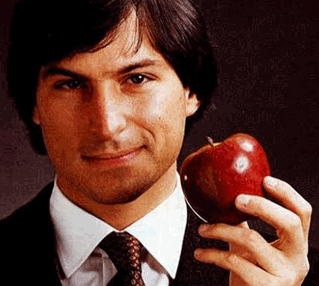
But as enjoyable as the book is, it does not describe a “what is” as much as it gives us a glimpse of a “what might be.” Like personal computing before Steve Jobs and the Homebrew Computing Club, DIY DNA is missing both a galvanizing new technology (the personal computer, the internet) and a recognized leader.

YOUNG-STEVE-JOBS-APPLE-INC

Will the next Jobs hack bio?

What’s more, no matter how good it is, a non-fiction book cannot yet capture the world that may yet be created by DNA “hackers.” There are three reasons for this:

  • Reason Two: The possibilities are so massive no one can think of them yet. One could argue that financial or intellectual limitations will prevent the hacking of anything more complex than a bacterium. But that would be so wrong. Wohlsen shows convincingly that the technology of DNA manipulation is available, affordable and already being applied. So what if the “tinkerers,” as they proudly call themselves, have not yet tinkered their way to a gryphon or some other creature we have not even thought of yet? This technology – cloning, sequencing, DNA manipulation and now synthesis – is extremely powerful. Think about that power – to create and fuse entire genomes. Now consider the tools of the moment – of Facebook, Twitter, the internet itself — all tools that foster “distributed intelligence” and group problem-solving. Combine cheap tools to manipulate DNA with the power of networks and you’d better stand back because what happens might rival the power of the nuclear bomb, a comparison Wohlsen aptly draws.
Gryphon

Made to order?

  • Reason Three: Before they can create much, the government will stop them. This, it seems to me, is the biggest threat that faces the nascent and promising movement of DNA hacking. As Germans from both East and West Germany used to say just after reunification, the “wall in the head” is much more formidable and hard to dismantle than the actual Berlin Wall was. According to Wohlsen, the troubling arrest and successful prosecution of one apparently non-malicious DNA hacker has already shown that it can chill the field. More systematic government intervention has the potential to freeze it.

If government intervention – through regulation, post-9/11 bioterror laws or “just” by intimidation – were to shut down DNA hacking, this would be both sad and ironic. Sad because it would cut off a potentially limitless source of new discoveries that could benefit humankind. Ironic because forcing DNA hackers back into “societally approved” (read expensive, cumbersome, peer-reviewed) channels or driving them underground would be a denial of the bottom-up, can-do pioneering spirit that is part of the cultural heritage of the United States.

The not so subtle message of Wohlsen’s book is that the very nature of the hacker community – low-budget, decentralized and interested in the pursuit of novel applications for DNA for their own sake – makes it a threat both to public safety as well as to corporate profits.

For the moment, we hasten to add, the threat seems more imagined than real. As Wohlsen puts it, “…bad guys with a semester of community college biology under their belts can get far more destruction for their dollar by whipping up a vat of botulism-causing bacteria in their basements than by trying to splice genes.”

Government meddling may be enough to slow the pace of biohacking. But I hope that does not stop it. Just as free-flowing, non-establishment creativity has helped give us Linux, SETI and the remarkable political power of Twitter and other social networks, DNA hacking may turn out to be a potent source for good.

This will only happen before a couple of those obstacles are overcome. First off, cost is a much bigger factor in home-brewed biology than it has ever been in computing. Second, assuming that some of DIY DNA’s discoveries would ultimately have to be converted into mundane intellectual property (IP) even to be applied effectively in the developing world, let alone in developed countries, the “quick-and-dirty” approach might well be too “dirty” to ever become the underlying IP for a biotech or diagnostics startup. It is no coincidence that a typical biotech company raises $100 million or more before it achieves a viable proof of concept for a new therapeutic. And that is just the beginning.

The best science writing reads like science fiction, introducing people, techniques and discoveries right now that make us feel like the future has arrived and it’s even shinier and newer than we thought it would be. Although neither a critical discovery nor a galvanizing leader has emerged from this potent stew, Biopunk succeeds in thought-provokingly preparing us for the new world that will greet us when they do.

# # #

*Steampunk photo courtesy Curious Expeditions under Creative Commons license

Further reading: DIY DNA in art and science fiction

(Special thanks to EW for these recommendations)

Margaret Atwood’s provocative novels Oryx and Crake and The Year of the Flood explore some possible and frightening futures.

Strange Culture is an indie film chronicling the strange story, also retold in Biopunk, of artist and professor Steve Kurtz who, according to the Netflix plot summary “on the eve of his new exhibit, was shocked by the news that his wife had died of heart failure. The medics on the scene became suspicious of Kurtz’s artistic media, which includes genetically modified foods, and the FBI accused him of bioterrorism.”

4 Comments

Filed under Uncategorized

How Sanofi Could Start Off on the Right Foot in Cambridge

To: Chris Viehbacher, CEO, Sanofi Aventis
From: The Boston Biotech Community
Re: Making the Most of the Impending Merger

Dear Mr. Viehbacher,

In the heat of the discussions regarding an acquisition of Genzyme that now look like they are on track for rapid completion, you may not have had much time to think about exactly what will happen in the aftermath. Sure, you have plans for Genzyme’s products as well as for the teams and facilities involved in producing them. Those products—and their revenue streams—are presumably why you are buying the company.

But don’t forget Genzyme’s excellent R&D….If you downsize Genzyme the severe way that some expect, you might be throwing away enormous potential for future products to benefit human health.

To read the rest of today’s post, visit Xconomy here or copy-paste the link:

http://www.xconomy.com/boston/2011/02/07/how-sanofi-could-start-off-on-the-right-foot-in-cambridge/?single_page=true

Leave a comment

Filed under Uncategorized

Bugs 1, Humans 0: “Antibiotics: The Perfect Storm” by David M. Shlaes

Feb. 3, 2011

A Boston Biotech Watch Book Review

By Steve Dickman, CEO, CBT Advisors

The rise of super-resistant bacteria and the inadequate attempts to combat them: Who but David Shlaes could give us such an entertaining and wide-ranging book, Antibiotics: The Perfect Storm, on such a gloomy topic? Shlaes, a top consultant working on the discovery and development of antibiotics, brings an encyclopedic and wry perspective to a field that, for pharma anyway, has mostly fallen between the cracks.

David M. Shlaes, antibiotics expert The broad outlines of the antibiotics tragedy-in-the-making are familiar: overuse and misuse of antibiotics has combined with a slowdown in new drug research to create what Shlaes aptly calls a “perfect storm:” more powerful and versatile bugs are morphing into existence daily, it seems, but the drugs to combat them have ceased to reach the market, felled by irrational regulators and markets not huge enough for Big Pharma. Consequently, we overuse those antibiotics that are still effective, which elicits resistance and then leads to disaster: the spread of multiply resistant superbugs and no way to stop them.

Just two new classes of antibiotics have reached the market in forty-two years, writes Shlaes: linezolid (Zyvox, Pfizer), belonging to the oxazolidinone class, and daptomycin (Cubicin, Cubist), a cyclic lipopeptide. Meantime, the “perfect” bug, equipped with resistance to every known antibiotic, creeps ever closer. In August of last year, reports surfaced about Enterobacteriaceae (gut bacteria) sporting a gene that codes for a penicillin-busting enzyme called NDM-1. The bacteria were found in Pakistan, India and the United States and only a single, old-school, kidney-toxic antibiotic, colistin, showed activity against it.

This sad state of affairs was predicted by Shlaes, who has long been on a crusade to loosen the logjam of unhelpful regulations, especially in the United States. The man is ideally suited to lead the charge. He started out in academia, realized after sixteen years that if he wanted to change the world he had to move into the pharmaceutical industry and then embarked on a successful career as an executive with Wyeth, where he was vice president in charge of infectious disease. From that lofty post, he dove into biotech and worked for Cambridge, MA-based Idenix Pharmaceuticals and joined the board of Novexel in France. He is now a Connecticut-based consultant.

Antibiotics: The Perfect Storm imagePlenty of industry consultants are on their game; few write books. Shlaes became one of this select group because he is deeply passionate on the dual subjects of improving antibiotics R&D and increasing new drug approvals, and he wants to let his passion move others to action.

The major culprit in Shlaes’ mind – and in the views of some antibiotics-savvy venture capitalists interviewed for this article – is the Food and Drug Administration (FDA). FDA has, according to Shlaes, thoroughly messed up its mandate. Shlaes sees three main issues that have plagued the agency for most of the antibiotics drought of the last two decades:

  • FDA has increased clinical trial design stringency to the point where trials become so large that they no longer pay. At the same time, FDA adheres, despite recent progress in some hearings at which Shlaes has presented, to outdated standards for approval. For instance, these include mortality endpoints in community-acquired pneumonia that date from the 1930s and have long since been superseded by other, more up-to-date and realistic measures.
  • Because these drugs work so well when they work, there is a double standard for anti-infectives compared to other drug classes. “Tylenol,” Shlaes writes on page 40, “is one of the most widely used drugs in the world … and causes more cases of acute liver failure requiring liver transplant than any other drug. It is still sold without prescription worldwide.” By contrast, antibiotics such as Ketek in sinusitis and bronchitis, which have much lower complication rates, have nonetheless had their marketing approval withdrawn.
  • Most troublingly, FDA continues to “move the goal posts” in mandating one set of endpoints early in a new antibiotic’s development and then increasing the requirements as the antibiotic moves closer to approval. Shlaes experienced this firsthand in his years at Wyeth and it has clearly left a bitter taste. One hopes we all benefit from the crusader’s zeal he brings to improving this unhappy state of affairs.

Pharma is a second culprit. Pharma consolidation has gone so far that the revenues from even a top-selling antibiotic barely move the needle. The largest-selling antibiotic in history, Augmentin, peaked at just under $2 billion. By contrast, Shlaes points out, Pfizer and Wyeth had combined 2008 revenues of $71.1 billion. So the economic incentive to try to bring forward new antibiotics is not as strong as Shlaes would like. At the moment, there is a shift occurring in pharma’s thinking, of course, away from blockbusters and toward smaller-market opportunities such as orphan drugs. I imagine that there could be good reason to expect pharma to become more interested in moving back into antibiotics after abandoning them; Shlaes writes that there is no evidence of this.

Shlaes is too heavy-handed in his critique of the biotech response to the antibiotics crisi. It would be nice to have a couple of case studies of biotechs that succeeded (such as Vicuron, acquired in 2005 by Pfizer for $1.9 billion) instead of (1) a blanket statement like “some experts predict that only 10% of biotech companies will succeed” in antibiotics development; and (2) a single case study of one such failure, a Colorado company called Replidyne, that was killed off in large part by FDA moving the goal posts.

A closer look at Achaogen and Tetraphase (in Watertown, Massachusetts), mentioned briefly, would have yielded a rich vein of hope. Both companies have managed to raise large amounts of venture capital money despite all the challenges. Achaogen, based in South San Francisco, has even succeeded at raising as much non-dilutive capital as any private biotech I’ve ever heard of, well over $100 million, from sources such as the U.S. military and the Wellcome Trust. The forces arrayed against successful marketing of new antibiotics can be overcome, these companies’ investors believe, through conducting clever clinical trial strategies (Achaogen) and inventing unique chemistries (Tetraphase). That is a story worth hearing and it would be interesting to hear Shlaes tell it.

In addition to the role of these biotechs, other areas I wish Shlaes had touched on include:

  • The epidemic of hand-washing with “anti-bacterial” soaps and its implications for the rise of resistant bacteria
  • The role for improved, genomics-based diagnostics in the clinical care of infected persons or those at risk
  • The role of genetics-based susceptibility on the part of some of us to certain subsets of the bacteria out there
  • Potential contributions by academic consortia in filling the gaps left by the vanished big pharma research and development programs
  • A view of antibiotics development through the prism of healthcare costs – stays in sealed intensive care wards can’t be cheap, so it must be in the interests of the healthcare system to have more impactful tools to fight those nasty hospital-acquired infections, especially now that Medicare is slashing reimbursement to hospitals that do not report them …

It is hard to know what to do next when reading such a persuasive argument for societal action. Found a non-profit? Jawbone a regulator? Invest in more biotech companies that pursue anti-infectives? But one thing is for sure: if Big Pharma and FDA manage to pull themselves out of the current morass, it will be due to Shlaes and his allies in industry and academia exerting their maximally persuasive powers to bring about the unending supply of new antibiotics that society desperately needs.

# # #


Leave a comment

Filed under Uncategorized

Lilly’s Big Buy of Avid Anticipates Alzheimer’s Therapies That Actually Work

In one of the highest-value acquisitions of a private, venture-backed healthcare company this year, Eli Lilly & Co. announced on Nov. 8 that it had acquired Avid Radiopharmaceuticals, a Philadelphia, PA-based company with a Phase 3 imaging agent that can reliably detect amyloid plaque in even early Alzheimer’s Disease (AD) patients. Lilly paid $300 million upfront with an additional $500 million due upon FDA approval and commercial launch of florbetapir F 18. There is a pipeline of other diagnostics, with a Phase 2 Parkinson’s test being the most advanced, but by far the most value must have been assigned to the lead product, which already has passed its Phase 3 study with flying colors.

Amyloid plaques (rat)

Amyloid plaques (rat)

What caught our attention about this transaction was not only the (hefty) price Lilly paid to Avid’s investors* but also the identity of the buyer, the structure of the deal and especially the timing.

Our observations:

1)      Who bought: Lilly is a pharmaceutical company, not a diagnostics company.

2)      How much they paid: That means they probably had to pay more to get this product, since they will have to create a sales force around it. We suspect that their bid was preemptive – even with the multibillion dollar revenue stream that investors in our network believe is possible from florbetapir, the diagnostics industry is just not used to paying so much for an entire portfolio of products let alone a single product. For comparison, in early 2006, Fisher Scientific (now Thermo Fisher) paid $283M for Athena Diagnostics and its “advanced neurological diagnostic assays.” Athena’s annual revenues were $55M at the time. Avid’s revenues are zero. That comparable makes it look like Lilly went not for GARP (Growth at A Reasonable Price) but for GAAP (Growth At Any Price).

3)      How they structured it: Lilly generously acknowledged the present value of the company. The last post-money was reported by our sources to be in the $105M range. But most of the returns – a whopping $500M – will come in the form of (what else?) an earnout with the usual regulatory and commercial milestones.

4)      The timing: The deal got done before any mechanistic treatment for the disease has made it to the market and semagacestat, Lilly’s late, great hope for AD, failed in Phase 3 just this past August when patients did worse than controls.

This is where we believe the synergy resides: not in the ability for florbetapir to be able to guide patients into any current AD therapy but for it to be able to serve as a gateway for Lilly when some future AD therapy comes along. This tells us three things:

  • Lilly is convinced that there will be such a therapy.
  • Selling such a therapy successfully will require positive identification of AD status – no more “one size fits all,” no more “let’s hope it works but if it doesn’t we make the money anyway.” Is this an $800M acknowledgement that it is a win/win/win (pharma/patient/payer) to have the right patient – and just the right patient – get the right drug?
  • Meantime, Lilly is probably convinced that the diagnostic alone will be accretive, probably strongly so, even at this (high) price.

Now back to who bought and for how much: we surmise that Lilly had competition for florbetapir, especially once the investment banks put the word out that the product – indeed, the whole company – was for sale. But their bid, especially the back-end payments, show that Lilly sees synergies that others will not be able to realize. The company’s big-time shift towards “open innovation” — and its sharing of its CHORUS development expertise in exchange for access to more molecules – probably make Lilly’s drug developers even more confident that if there is any synergistic product under development anywhere, Lilly has a better chance than ever to be able to access it and to test it effectively. That is what this deal is ultimately about: Lilly will presumably now be in a better position (than Pfizer, say) to bargain for and then test a “companion therapeutic” because they already own the diagnostic.

Nice to see pharma embracing the new thinking on Dx-Rx combinations and “personalizing” therapy. Welcome on board, guys!

# # # # #

*Avid investors include AllianceBernstein, Alta Partners, BioAdvance, Lilly Ventures and Safeguard Scientifics.

Leave a comment

Filed under Uncategorized

Convergence West Highlights: From iPhone Sequencing Apps to Funding Innovation in Biotech

Last Friday, Dec. 3, 2010, I attended the excellent Convergence West conference in San Francisco. Here are some highlights. I’ll be doing an additional post on my “fireside chat” with Jamie Heywood of PatientsLikeMe.com.

Topics covered:

  • We have seen the future of high speed genome sequencing – and it’s a bit of a gross-out
  • Diagnostics regulation and iPhone blood tests
  • Diabetes costs are immense
  • MEDCO gets it
  • Creative financing for mainstream biotech

Convergence Forum logo

We have seen the future of high speed genome sequencing – and it’s a bit of a gross-out

With three high-profile liquidity events* in 2010 for high-speed genomics companies, the financial markets seem to have embraced the prospect of low-cost, ubiquitous sequencing for all. But what will the sequencers be sequencing?

During a panel Q&A, I asked Eric Schadt, the Pacific Biosciences CSO, how close we are to wide clinical or even consumer use of that company’s world-beating technology. The applications he named ranged from the not-apparently-useful to the gross:

  • “In four to five years, we will be able to use our third-generation technology to sequence hundreds of gigabases for $100 in 15 minutes.”
  • “In 10 years it will be like an AT&T plan: sign up and get 10 genomes for your family.”
  • “Integrate the sequencer into your iPhone, wave it around and see the genomes of all the pathogens swirling around you all the time.”

We realize that there are plenty of applications for the sequencing of genomes besides the human one. We blogged about the genome-mining of gut bacteria here. But judging from the facial expressions, the reaction to the iPhone app for skin bacterium sequencing was a visceral ‘yuck.’

*Pacific Biosciences raised $200 million in its IPO on Oct. 27; rival Complete Genomics raised $54M in its IPO on Nov. 10. Ion Torrent was acquired on Aug. 18 by Life Technologies for $375M upfront and $350M in possible future milestones.

Diagnostics regulation and iPhone blood tests

A previous panel I moderated (at the Wolfe Biopharma conference in Boston on Oct. 19) featured a discussion of a new regulatory path for MDx at FDA, currently in a bill sponsored by Sen. Orrin Hatch to be introduced in the U.S. Congress’ “lame-duck” session in late 2010 or early 2011. During the Q&A, I asked the MDx panel about this and heard this groan from MDx company Saladax CEO Sal Salamone:

“I’ve been in diagnostics for twenty-five years. There were not a lot of big advances in the technology for diagnostics in that time but the costs of compliance with regulations have increased an order of magnitude.”

On a similar note, FDA is not the only new hurdle that MDx startups encounter on the way to the market. From entrepreneur Sridhar Iyengar, Founder of New Hampshire-based AgaMatrix, which has successfully partnered with Apple to bring real-time glucose testing to the iPhone:

  • “Working with Apple is a lot more difficult than working with FDA.”

Diabetes costs are immense

Tethys Bioscience is one of the highest-profile VC-backed MDx companies around, with a commercial platform, $48 million raised in the recent Series D round alone, high-profile investors from inside and outside healthcare and an indication focus – Type 2 diabetes – that is one of the most prevalent and expensive of those facing society. CEO Mickey Urdea therefore has a bias but he also has a point: Type 2 diabetes is a societal scourge.

  • “If you have gained 30-60 pounds in 6 months, it probably means you just retired from the Air Force” said Urdea.
  • Furthermore, Urdea said, the Air Force believes it will “go into bankruptcy” by 2017 if it doesn’t find a better way to combat diabetes.

MEDCO gets it

We heard from two panels that Medco Health is the company that is most on top of the shift in the U.S. health care system to a more incentive-driven and value-based model.

“Medco has the potential to change the paradigm for diagnostics. They are working on pairing diagnostics with generics to prove they are better than new drugs.” (Saladax CEO Sal Salamone). As one recent article on Medco’s MDx initiative put it, “With Medco Around for Dx Shops Developing PGx Tests Independently, Who Needs Pharma?”

  • Jamie Heywood, Founder-Chairman of PatientsLikeMe.com said jokingly that “Medco is starting to look like it could buy Merck.” This is not quite true – Medco (NYSE: MHS) at a $26 billion market cap is still much smaller than Merck (NYSE: MRK) at $108 billion. But since Merck spun out Medco back in 2003, Medco is up five-fold and Merck’s value is down.

Creative financing for mainstream biotech

The VC funding panel featured several successful examples of the high-risk, high-reward approach needed to pursue innovation in biotech.

  • Very encouraging: The VCs that are still investing in biotech “are more interested in in funding innovation today than at any time in the last 15 years,” said VC Bryan Roberts of Venrock. But, he continued, this is because “they are so scared by regulatory & commercial risks and [they fund earlier-stage projects because they] think they can get out before [they face those other risks].”
  • Pick your poison: “If you are not getting financial dilution (via VC) or IP dilution (via partnerships) then you have to have ‘bandwidth dilution’ through government funding,” said Oncomed CEO Paul Hastings
  • Find a contrarian: Hastings said that it takes a true contrarian within Big Pharma to push a deal with an innovative biotech. Hastings cited Moncef Slaoui, chairman of R&D at GlaxoSmithKline – who backed GSK’s 2008 acquisition of Sirtris – as one example. Roberts agreed: “Great decisions don’t get made by groups.” This was certainly true when Roberts and Jim Neidel helped CEO Howard Robin sell our Sirna Therapeutics for $1.1 billion to Peter Kim at Merck in 2006. (Sirna’s turnaround PIPE was a deal I did as a VC with TVM Capital in 2003.)
  • Power raiser: Oncomed (which is developing drugs targeting what it calls “tumor-initiating cells” aka cancer stem cells) has raised a lot more money than I had realized: $229M in equity including its investment from GSK & a further $100M from partnerships including GSK and Bayer Schering. Hastings said that Bayer Schering had struck the right attitude by
    • Showing up on a Saturday morning for a kickoff meeting; and
    • By the Bayer Schering team leader telling his 20-person team (visiting the 3-person Oncomed team) “We are here to learn from them and not the other way around.”

# # #

Leave a comment

Filed under Uncategorized

Google Meets Healthcare VC

The Boston Biotech Watch Take on Google’s Healthcare Investing Approach Based on an Interview with Google Ventures’ Krishna Yeshwant

by Steve Dickman, CEO, CBT Advisors

Now that most private-company biotech CEOs have given up on “IPO window reopens” and “VC bidding war,” three of the most galvanizing words for someone raising money these days are “Google might invest.” Fund-raising for the CEO of a young biotech is always a war of attrition and corporate VC funds are the current weapons of choice.

It is one thing for cash-strapped management teams to want Google’s shiny new healthcare venture arm to invest. But should Google Ventures invest? Would it be the right thing for Google and the right thing for the sector if they came into more deals? We recently spoke to Google Ventures’ Cambridge-based healthcare representative Krishna Yeshwant, M.D., and we did some reading up on Google, including plowing through Ken Auletta’s widely reviewed (and bombastically titled) book Googled: The End of the World As We Know It“. Now here’s our take not just on what Google Ventures is doing in healthcare but also what we think they should be doing.

(One caveat is that the bulk of investments that Google Ventures will do in the coming years will not be in the healthcare space. The fund ambitiously intends to invest $100M a year into startups and new ventures, and the vast majority of those dollars will flow into IT-related endeavors. Our focus is on the fund’s life sciences- and healthcare-related activities.)

Google Ventures would seem to fit right into the current dominance of corporate VCs within the universe of VC life sciences dealmaking. On the surface, it’s another cash-flush corporate fund wading into VC as part of a parent-company mandate to move up the food chain and generate insight as well as returns. (As if the “generate returns” part isn’t hard enough by itself!)

We think Google Ventures (GV) actually does not fit the typical corporate VC mold at all and, based on its provenance, we think it has the potential to do amazing work. More about our views in a moment. First, we’ll look at how GV sees itself in the context of the deals they’ve already done. Then we will pull back and imagine what GV could do that might let it rise above and make a true mark on the healthcare investing and on healthcare itself.

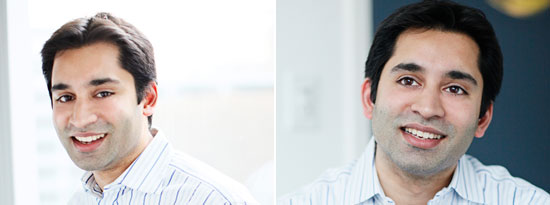
Krishna Yeshwant photos

Krishna Yeshwant, photos courtesy Google web site

Aside from cleantech, most deals lately in the life sciences and healthcare space are in therapeutics. By and large, GV does not do those. “We are probably not the investors to go after moving a molecule from Phase 2 to Phase 3,” GV’s Yeshwant said. “We are not ready to have a portfolio of molecules. [Furthermore,] it would be hard for us to invest in a single molecule.”

So what does GV do? So far, platforms, as embodied by GV’s first two healthcare deals: Adimab and iPierian. Although the former is on the East Coast and the latter on the West Coast, these companies have a few things in common. Both are funded by top-tier life science investors (Polaris, SV Life Sciences, Orbimed in Adimab; Highland Capital, Kleiner Perkins, MPM Capital in iPierian). Both are working on groundbreaking platforms and own enormous amounts of potentially valuable IP. Adimab works on antibody therapeutics; iPierian is a novel stem-cell-biology company with a big vision for overhauling the current clinical trials process by offering streamlined testing on ex vivo platforms derived from a patient’s own stem cells. There is more about Adimab’s and iPierian’s approaches in these linked news articles from Xconomy.

The companies differ in some key ways that give us some insight into GV’s parameters: Adimab is run by a charismatic and battle-tested CEO, Tillman Gerngross, who successfully sold his previous company GlycoFi to Merck in 2008 for $400M and thereby provided investors with a return of 9X or better. So in some sense, it’s a “bet on the jockey” play in the crowded space of antibody platforms. By contrast, iPierian is run by an experienced but not-quite-so-high-profile CEO, Michael Venuti, and in fact let go of its previous CEO, John Walker, the month before GV invested.
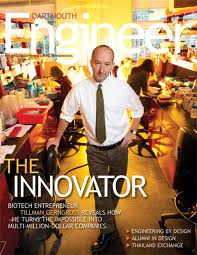
Tillman Gerngross, Dartmouth engineer extraordinaire

Tillman Gerngross, Dartmouth engineer extraordinaire

“We are clearly attracted to platforms,” said Yeshwant. “We can understand the science, we see the potential {for large exits} based on the early examples that a platform can produce. If there is room for the platform to go beyond what it is doing, we can REALLY get excited about it.”

Avoiding the corporate VC “bump”

In these cases, GV’s preference was not to invest in pure startups but to wait until some experienced investors took the early risk. In one or both of these cases, GV may have “paid up” in order to get into the syndicate. Lest that leave the wrong impression, Yeshwant hastens to explain: “Almost everyone at Google Ventures has started companies and looked at VCs from the other side of the table,” said Yeshwant. “I remember that: when a corporate VC comes in, you look at it as an opportunity to bump your share price. The way we are trying to place Google Ventures is really as an institutional investor. The track record we want to create here is not ‘here comes Google, let’s get a bump on our valuation.’ People LIKE to have us at the table. We are a VC firm that has [access to] a host of programmers and statisticians. We have former programmers on our team who can help our portfolio. Take our user interface experts, for example. This may not be relevant for therapeutics platforms but it might be very relevant for healthcare IT companies. That programmer’s role is to be dropped into some of those companies and create value.”

And yet neither diagnostics nor healthcare IT seem to be on GV’s radar screen yet. Yeshwant: “We are excited about the diagnostics field. We are watching it very closely. [But w]e have yet to find a great investment.” Most life science VCs who have looked at diagnostics would say the same thing – many more have looked than have actually done a deal.

When speaking of healthcare IT, Yeshwant reflects the melancholy wisdom of someone who knows the US healthcare system all too well. Yeshwant is in fact not only an experienced programmer and IT entrepreneur who has founded two companies that were sold to big IT players; he is also a current resident at Harvard Medical School working at Brigham & Women’s Hospital. “The healthcare market still does not really make sense [to us as venture investors]. Working in a hospital, we [as physicians] try our best to do what is right for the patient but the patient is only one of our customers. That distorts what [GV] as a service business [or investor in service businesses] can do. That setup does not let us get into this natural harmony of a company that can really serve the needs of the consumer and succeed because they did a good job by the consumer. As a medical doctor, I want to serve my patients, but it is very difficult to conceive of a great IT company [in this space]. There are so many needs IT can serve that would help patients. But what is the business model that does not involve so many confusing different stakeholders?”

Yeshwant has similar reservations about companies developing electronic medical records (EMRs) despite the inclusion of EMR subsidies in the stimulus and health care reform packages. “Despite a lot of money coming in from the government, it is not clear that the opportunity is really there yet,” he said. “Yes, that government money will drive M&A activity and there are ideas being thrown back and forth. We do not feel compelled yet by the companies we have seen.”

A common theme across all areas in which GV is considering is its very high bar for investing. Indeed, it has been nearly three months since our conversation with Yeshwant and GV has not announced a single new life sciences deal. Although it is inappropriate to draw conclusions from this absence of announcements (a flurry of new deals could be announced next week), the fund’s measured pace reflects the realities of being a VC in 2010 – when a lot fewer new-money deals are closing than in the years between, say, 2003 and 2007 – and the realities of being Google.

When we asked Yeshwant whether Google Ventures would prefer to start companies on its own rather than wait to be shown “doable deals” by the VCs in its network, Yeshwant cited the fund’s need to stay on the right side of its sole limited partner, Google itself: “Especially in healthcare, we are still looking for those [right] companies [for us]. We are looking for the entrepreneurs, the teams that will make those companies great. We are meeting a bunch of entrepreneurs and VC folks. If there is something we can put a good thesis around, then, yes we would be open to starting something, seeding a company and incubating it. We are still a bit early – we’d hate to hastily put something like that together and have it fall apart. That would sour Google proper. So for now we have to have a very high threshhold.”

Reluctance? What reluctance?
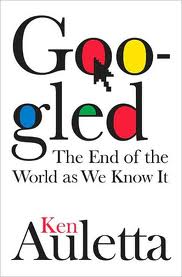
Googled book jacketWe think the threshhold does not have to be so high. This is where our recommendation comes in. From reading Ken Auletta’s book

Googled: The End of the World As We Know It, we were reminded of Google’s roots and its winding path to $23 billion in 2009 revenues. The company is an advertising behemoth with now 99% of those revenues coming from ad sales. And the ethos underlying Google’s birth is still true for its many new ventures:

  • We are engineers.
  • We are scientists.
  • We want to change the world.

Auletta’s book shows that Google is all about two mentalities: the engineer on one hand; the consumer-minded marketeer on the other. Sometimes – as when the founders built the first search engine – these are embodied in the same person. More often the roles are played by different people within the company’s leadership. The process works like this: the engineer comes up with an idea about what is technically doable and at the same time inherently elegant; the marketeer relentlessly orients it toward the “real user.” Born of a dynamic tension between these two forces, product after product has emerged from Google (think Google News, Google Earth, Gmail and Google Maps and) More recently, products and technologies have been acquired to take advantage of perceived opportunities (Android, YouTube).

Admittedly, it is hard to see how either mentality – better engineering, better consumer focus – will work in healthcare investing unless and until the healthcare system is reformed to be more responsive to incentives, more consumer-driven and especially more data-driven. The Google fund would seem to be able to apply its overwhelming leverage more efficiently in other fields – mobile computing, location-aware mobile apps, data storage and retrieval, even hardware – at least for now.

At the same time, the apparent hesitation by the GV team to do most healthcare deals and especially to start companies of its own – the “high bar” that Yeshwant was talking about in our interview – strikes us as inconsistent with the basic premise of the fund’s corporate parent. There seems to be a reluctance – if not an all-out refusal — to get too involved in truly risky deals that at the same time could be truly transformative. After all, in the letter that accompanied their 2004 IPO filing, the Google founders themselves wrote that they are looking to “make big investment bets” on technologies that have only a 10% chance of achieving a billion-dollar level of success. To paraphrase the loud, lascivious Sean Parker character in the hit movie “The Social Network,” “You guys think it’s all about making a million dollars?! It’s not. Think billion, baby!”

WWGD?

What we have heard from Yeshwant (echoed in this interview published by Wade Roush of Xconomy back in May, 2010) sounds not much different from what we hear from generic corporate VCs. What we’d love to see instead would look more like this:

  • More attention from the top: You want to change the world, Sergey & Larry? Pay attention to healthcare.
  • More experiments in combining bandwidth with healthcare. The Google project to “wire” a US city with ultrahighspeed broadband capability comes to mind. There have to be HC opportunities in that, perhaps in conjunction with an existing startup or a new one
  • Pioneering programs outside the developed world that, for relatively low initial investments can improve upon technologies initially developed here and roll them out in developing-country markets. Then, when the “boomerang” comes back (see our earlier post on “boomerang” technologies), Google will be thinking ahead about how to make money on these technologies in the developed world.
  • Start more companies! Forget the “high bar” and the “sour taste”. Instead, use your cachet and market power to start companies that might take a while to incubate but that can be truly transformative. This is already the approach of some top-tier US-based pharma company VC funds who have told us that they have grown impatient waiting for VC syndicates to form from the ever-shrinking pool of active VCs, so they’ve begun to dive in and fund the companies they want to see all by themselves.
  • Focus on diagnostics. Yes, Yeshwant said GV has not seen its favorite deal yet. But Yeshwant himself wrote an award-winning business plan for a company, Diagnostics for All, that could provide a valuable prototype. That company, which we highlighted in our blog post on “boomerang” technologies, is working on filter-paper-based diagnostic kits that can be manufactured for pennies. And Google founder Sergei Brin invested in personal genomics company 23andme.com, an investment now owned by Google itself.
  • See our “shopping list” below for specific opportunities

We hope GV does all of these things. Because of its potentially long time horizon and its amazing market power in search and advertising, GV has a huge advantage over traditional VC funds. The exit from most of these businesses will be traditional ones – IPO or, more likely, trade sale – but another potential exit could be the creation of a new business unit for Google.

Church sign: "THERE ARE SOME QUESTIONS THAT CAN'T BE ANSWERED BY GOOGLE"

But not as many as there used to be

Right now, with the convergence of high-powered data collection through genomics and better sensors; better analysis of that data using high-powered computing; and a reorientation of the healthcare system toward prevention, there is no limit to what an active and visionary investor could achieve. To us, the potential for improving actual human health by taking advantage of available data is endless – and Google’s own track record in improving data access makes it an ideal player.

Therefore we’d encourage Google Ventures as follows:

  • Think long-term, not near-term.
  • Think big, not small.
  • Focus more on strategic and societal benefit.
  • Reach for the stars.

END

TABLE 1: A HEALTHCARE   SHOPPING LIST FOR GOOGLE VENTURES
  • Personalized medicine
  • Computer-aided medical devices
  • The “human-machine interface” in medical devices
  • Electronic medical records
  • Global health (investments in “boomerang” technologies would be perfect for GV – they will have the time & patience to wait for the boomerang to come back)
  • Analysis of “Big Data” e.g. from patients or payers that could rationalize the US healthcare system or piggyback on the move toward comparative effectiveness

Leave a comment

Filed under Uncategorized