We are our bugs – hot Boston startup mines the gut

by Steven Dickman, CEO, CBT Advisors

Seeing the human being as a “superorganism” composed primarily of freeloading or symbiotic bacteria and other parasites and designing products accordingly – that is the basis for a new startup with the alluring name of Libra Biosciences being incubated by PureTech Ventures in Boston.

Daphne Zohar, PureTech Ventures

Daphne Zohar, top Boston innovator

News of Libra began to come out in a piece in yesterday’s (Oct. 4, 2010) Boston Globe citing PureTech managing partner Daphne Zohar as one of Boston’s top 15 innovators. Little else is publicly available about the startup except a one-page web site stating that the company will be active in diagnostics and consumer products as well as therapeutics. Disease areas will include developmental, immunological and epithelial disorders.

The idea of humans and other eukaryotes as walking sacs of bacteria is not new. It was raised elegantly by Lewis Thomas in his seminal and delightful 1978 book Lives of a Cell: Notes of a Biology Watcher.

Libra Biosciences logo
Nor would this be the first time someone tried to apply this concept to predictive disease modeling – witness this paper from Nicholson et al. in Nature Biotech in 2004 exploring applications of “omics” to human-residing bacteria. But this appears to be the first time that commercial activity has coalesced around this interesting field of science, likely driven by advances in high-speed genetic sequencing. (The latest presentation we’ve seen from BGI – formerly Beijing Genomics Institute – reports that BGI alone will have increased to 5 TB of genome sequenced per day – that’s 1500 human genomes – by the end of 2010, up from 100 GB a day at the end of 2009.) There have been some interesting publications pointing to links between the nature of gut bacteria in individuals and their weight. According to these studies, as reported in the Los Angeles Times in June of this year, the more efficient the gut bacteria are at processing food, the more overweight the hosts are. We prefer the inefficient ones!

<iframe src=”http://rcm.amazon.com/e/cm?lt1=_blank&bc1=000000&IS2=1&bg1=FFFFFF&fc1=000000&lc1=0000FF&t=httpwwwcbtadv-20&o=1&p=8&l=as1&m=amazon&f=ifr&md=10FE9736YVPPT7A0FBG2&asins=0140047433&#8243; style=”width:120px;height:240px;” scrolling=”no” marginwidth=”0″ marginheight=”0″ frameborder=”0″></iframe>

Except for the brief mention in the Globe today, Libra is not talking to the media just yet. But this interesting piece of startup news confirms PureTech’s role – alongside Third Rock Ventures and just a handful of other Boston-based firms – as one of the few key bridges across the current yawning gap separating creative academic science and fundable biotech companies.

# # #

Leave a comment

Filed under Uncategorized

Into the Hot Seat – Scangos to Lead Biogen Idec

By Steve Dickman, CEO, CBT Advisors

Photo of burning chair Just when we were beginning to wonder whether Biogen Idec (Nasdaq: BIIB) would ever have a new CEO, along came yesterday’s announcement that industry veteran George Scangos had accepted the job.

We will argue that the choice of Scangos is both a good one for the beleaguered biotech itself and also a positive signal for the industry in general.

First the negatives: in his fourteen years at the helm of West Coast publicly traded oncology company Exelixis (Nasdaq: EXEL), Scangos has not brought a drug to market. On his watch, the company licensed nine of its pipeline compounds to pharmaceutical companies and has fourteen drug candidates in the clinic. At the close of trading today, Exelixis had a market value of $377 million. Biogen Idec has three marketed products in multiple sclerosis and oncology that last year generated $4.45 billion in revenue. Its market value at the close today was $12.7 billion.

Now the positives: Scangos has thrived as a CEO and has raised hundreds of millions of dollars through good markets and bad. Both because of his biotech chops and his prior history as a Big Pharma executive with Bayer Pharmaceuticals, where he was President of Bayer Biotechnology, Scangos will have instant credibility. He will presumably be granted something of a honeymoon period when he takes over at Biogen Idec.

To us, the selection of Scangos sends a signal that the company will likely not be sold any time soon, although there may be some reorganization. The first question many investors were asking when this announcement came was what veteran corporate raider and recent biotech gadfly Carl Icahn thinks of Scangos. Scangos presumably has Icahn’s blessing, and that of the board of directors, especially if he has promised to shake things up. And we don’t think Scangos would have taken the job unless he was given Icahn’s explicit support to improve the company’s drug development performance and its stock price.

Two aspects of Scangos’ background intrigue us: first off, he started out as a scientist, obtaining a Ph.D. degree in microbiology from the University of Massachusetts and becoming a professor at Johns Hopkins University. When Scangos began at Bayer, he was a staff scientist. When he took over as CEO of Exelixis, the company was a platform technology company using fruit flies to screen for drugs. This bottom-up career implies a deep understanding for the challenges of drug discovery. The selection of Scangos also fulfills a criterion laid out by Biogen Idec board chairman Bill Young that the new CEO have deep roots in science, as reported in February by Xconomy. Scangos is likely to command immediate respect from the company’s hundreds of scientists, a plus if he is to improve research productivity by making tough decisions about cutting programs.

Second, Scangos’ employer when he was a pharmaceutical executive, Bayer, is still around, albeit in a slightly larger form following its 2006 merger with Bayer Schering. We would downplay the natural implication – that Bayer moves up the list of potential suitors for Biogen Idec because Scangos is there now – but instead point to a different aspect. Every ex-pharma executive thinks he would have made a good pharma company CEO. Scangos has been putting his own ideas into practice for 14 years now but never on the big stage and never with a substantial revenue stream. Now, at age 62, he gets a turn in the limelight. He’s the best kind of new job candidate: one hungry to show what he can do.

The outcome at Biogen Idec is important for the entire biotech industry. For the last couple of years, the pharma industry has been in wholesale retreat from its previous big-ticket R&D efforts, which proved unproductive. Due to its loyal shareholder base and solid revenue stream, the research ranks at Biogen Idec, although they have been culled, have not been nearly as diminished as those in pharma. Icahn’s proxy fight for control of Biogen Idec – which he would presumably split up and sell for parts or at the very least massively downsize – represented an unmistakeable wake-up call for the company, which has already been heavily challenged by the safety issues that arose in 2005 for its newest and most potent MS and Crohn’s disease drug, Tysabri, safety issues that have not yet gone away. Meanwhile, Biogen Idec’s R&D team can fairly be said to have been productive, being responsible for pushing forward most of the nearly twenty products the company has in Phase 2 clinical trials.

Can Scangos forge a model that allows a drug discovery and development engine to thrive inside a company earning billions from its products? Or will he have to slash and burn to appease its more bottom-line-oriented investors? The industry is waiting to find out. Welcome back to Massachusetts, George. Let’s see what you’ve got.

Disclosure: Biogen Idec has been a client of CBT Advisors.

# # #

1 Comment

Filed under Uncategorized

New, breathing “lung on a chip” shows the way for expanded use of tissue culture in preclinical development of new drugs

By Steve Dickman, CEO, CBT Advisors

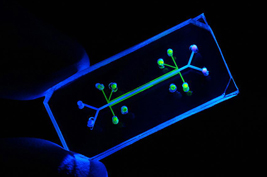
Harvard researchers Dongeun Huh, Don Ingber and the Ingber team on Friday (25 June 2010) published in Science an impressive advance in organotypic tissue culture that could someday be adopted as a viable alternative to animal experiments: a “lung on a chip” including both human cells and a bioengineered boundary layer that is both porous and flexible. The new chip overcomes limitations of previous 3-D organ models in at least two ways: both by recreating the body-environment interface featuring a multilayered set of membranes with communication across them, which in itself is remarkable enough, but also by allowing dynamic mechanical forces (think “breathing”) to be applied and showing the response.

Ingber's breathing lung on a chip

Soon to feel the breath of life? Lab-created chip moves and flexes to mimic breathing (Image courtesy Science)

On a recent visit to Ingber’s lab, in the new and hiply designed Wyss Institute for Biologically Inspired Engineering at Harvard University, we got to see the device, a rubbery object more reminiscent of a clear pencil eraser than of a futuristic biochip. The lung-on-a-chip sandwiches a layer of epithelium and a layer of endothelium, both formed from living cells, around a flexible synthetic boundary layer. Vacuum chambers on either side provide stretching and shear forces that mimic those in real lung air sacs (alveoli). The cells find the environment so natural that they secrete surfactant, the normal coating found on air-contacting cells in the lung.

What makes this new technology stand out is its ability to demonstrate and even explain in-vivo-like reactions. The lung cells on the chip were shown to respond to external stimuli such as nanoparticle irritants or bacteria. “We could watch the entire inflammatory response,” Ingber told a radio interviewer. “One thing we found is that [environmental pollutants] went across to the capillary channel with a low level of efficiency but when we had physiological breathing, there was an eightfold increase in how many particles got across and we saw toxic and inflammatory reactions. This was not known before and we were able to confirm it by going back into the whole-animal model.”

The lung chip is the latest example of the trend we noted in our Boston Biotech Watch post last October (“Coming soon to a Pharma near you: complex tissue culture models”). Ingber told the radio station that the chip can potentially shortcut the time it takes to get drugs through the development process, which, “…as we all know, is incredibly expensive .… Animal studies are not only costly and time-consuming, but they often don’t predict what happens in humans.”

We think that this device will quickly come to the attention of pharmaceutical companies eager to reduce clinical failure rates and eliminate costly animal experimentation. Here are some attributes that make us think that (we’ve seen many of these reflected in efforts by other labs in other organs):

  • Uses human cells
  • Incorporates more than one cell type — including vasculature
  • Simulates the smallest functional unit of the organ, in this case a single air sac
  • Adds physical structure to provide stability, reproducibility and verisimilitude (physics is of critical importance in these systems!)
  • Can potentially be multiplexed for use in screening assays on drug candidates
  • Avoids use of animals

This technology’s new attributes – responses to dynamic forces, use of translucent materials to allow for real-time observation and the ability for cost-effective mass production  – make it truly stand out.

The lung chip represents an interesting bridge between skin models, which are already in widespread use in both the pharmaceutical and the cosmetics industries, and realistic models of even more complex tissues like liver, kidney and heart. These results might also accelerate research on the engineering of replacement tissues for medical use.

In a related article appearing the same day, Science published work from Yale professor Laura Niklason (scientific founder & CSO of a tissue engineering company called Humacyte focused on lab-grown blood vessel grafts) who reconstituted a rat lung in the lab by removing lung cells from a young rat, growing the cells up in a bioreactor and replacing them into the empty lung scaffold in the living animal. She was able to get the reconstituted rat lungs to breathe and behave consistently with normal lungs for a couple of hours.

The lung stories made it big into the media. This well-written press release helped. For instance, the Science Friday show on US National Public Radio ran a 17-minute feature (once on the site, click on link at upper left for Podcast) and the Boston Globe put it on the front page.

Wyss Institute Faculty Portraits: Don Ingber

Don Ingber, Founding Director of the Wyss Institute for Biologically Inspired Engineering at Harvard University (Photo courtesy Harvard University)

Ingber’s efforts do not stop there. In a lecture we heard him give at Harvard in March, he described efforts to develop “programmable nanomaterials” for implantation  in the body. Other organs the institute is looking at include “peristalsing gut on a chip.” Tissue by tissue, organ by organ, Ingber plans over time to link the models together with “engineered channels carrying fluid” to create “a synthetic human on a chip.” Stay tuned for more news from the fast-moving edge of organotypic tissue culture.

# # #

Abstract from Huh et al. Science paper:

Science 25 June 2010:
Vol. 328. no. 5986, pp. 1662 – 1668
DOI: 10.1126/science.1188302

Research Articles

Reconstituting Organ-Level Lung Functions on a Chip

Dongeun Huh,1,2 Benjamin D. Matthews,2,3 Akiko Mammoto,2 Martín Montoya-Zavala,1,2 Hong Yuan Hsin,2 Donald E. Ingber1,2,4,*

Here, we describe a biomimetic microsystem that reconstitutes the critical functional alveolar-capillary interface of the human lung. This bioinspired microdevice reproduces complex integrated organ-level responses to bacteria and inflammatory cytokines introduced into the alveolar space. In nanotoxicology studies, this lung mimic revealed that cyclic mechanical strain accentuates toxic and inflammatory responses of the lung to silica nanoparticles. Mechanical strain also enhances epithelial and endothelial uptake of nanoparticulates and stimulates their transport into the underlying microvascular channel. Similar effects of physiological breathing on nanoparticle absorption are observed in whole mouse lung. Mechanically active “organ-on-a-chip” microdevices that reconstitute tissue-tissue interfaces critical to organ function may therefore expand the capabilities of cell culture models and provide low-cost alternatives to animal and clinical studies for drug screening and toxicology applications.

1 Wyss Institute for Biologically Inspired Engineering at Harvard University, Boston, MA 02115, USA.
2 Vascular Biology Program, Departments of Pathology and Surgery, Children’s Hospital Boston, and Harvard Medical School, Boston, MA 02115, USA.
3 Department of Medicine, Children’s Hospital Boston, Boston, MA 02115, USA.
4 School of Engineering and Applied Sciences, Harvard University, Cambridge, MA 02138, USA.

2 Comments

Filed under Uncategorized

IPO Drought Likely to Last, Boston Globe writes

Scott Kirsner, the Boston Globe’s innovation columnist, on Sunday thoughtfully tackled the question of when the current IPO drought is likely to end. His piece, which makes a nice mention of CBT Advisors, is nominally focused on the Boston area but the sentiments are of course similar in other geographies. Here is an excerpt with a link to the rest of the piece below.

Innovation Economy

IPOs in a holding pattern

Start-ups are ready, when the market is right

By Scott Kirsner Globe Columnist / June 13, 2010

Filing the paperwork for an initial public offering is like buying the perfect bathing suit for a beach party. Yes, you’ve taken the first step by finding something to wear, but you still need people to show up at the party and warm weather, too.

Right now, the forecast isn’t phenomenal for the five Massachusetts companies looking forward to their day in the sun.

“There were some dumb people last year saying that 2010 was going to be a good year for IPOs — and I was among them,’’ said Peter Falvey, cofounder of Revolution Partners, a Boston-based investment bank. “As we’ve seen, the markets have been really unsettled, and when that happens, IPOs are the first thing that shuts down.’’

One of the most recent local offerings, Aveo Pharmaceuticals Inc., a Cambridge biotech working on a drug for kidney cancer, had hoped to sell its shares for between $13 and $15; the shares debuted at $9 in March and have declined since to about $7.50.

Despite the market conditions, a quintet of companies is lined up for their turn, representing diverse sectors of Massachusetts’ innovation economy: energy, consumer-focused services, life sciences, and technology.

■ Newton’s First Wind Holdings Inc. develops and runs six wind farms in states including Maine and Vermont, and has plans to build others; the company originally filed to go public in the summer of 2008, and it hopes to raise as much as $450 million, using the clever ticker symbol WNDY.

■ Zipcar Inc., based in Cambridge, operates the world’s largest car-sharing service, with more than 400,000 members who pay for convenient access to a fleet of 7,000 vehicles.

BG Medicine Inc. is a Waltham company developing blood tests for heart disease and multiple sclerosis.

■ GlassHouse Technologies Inc. of Framingham is a consultancy that helps its clients manage corporate data centers.

■ Ameresco Inc., also based in Framingham, helps customers manage their energy usage.

Of BG Medicine, Steve Dickman of the consulting firm CBT Advisors notes that the company’s tests haven’t yet won approval to be sold in the United States or Canada. “It’s a very promising technology platform, but it’s wishful thinking that they will be able to go public without significant revenue,’’ he wrote in an e-mail.

And Ethan Zindler, an analyst at Bloomberg New Energy Finance, said First Wind may also have a tough time.

+++

You can read the rest of Scott’s article here.

Leave a comment

Filed under Uncategorized

The Next Feeding Frenzy? VCs Rush Toward diagnostics (!?)

By Steve Dickman, CEO, CBT Advisors

There was a time not long ago when no amount of persuasion could have made most venture capitalists do a diagnostics deal. The reasons abounded: markets were too limited; margins were too low; and the number of potential acquirers too small. So imagine our surprise when the most upbeat session of this year’s c21 investor conference in late May was a panel discussion focused on – you guessed it – molecular diagnostics.

If this is not a feeding frenzy, then at least it seems to be a period of high marketability for private diagnostics companies seeking acquisition exits. Session chair Bill Kreidel of Ferghana Partners described four sell side diagnostics assignments his firm is working on for which multiple bidders had appeared.

What sells? Proprietary content, improvements in speed or sensitivity/specificity, robust datasets, and large markets. Who are the buyers? Clinical labs like Labcorp, naturally, but also instrumentation companies and companies in the imaging business like General Electric that “see diagnostics cannibalizing some of their revenue” and are trying to capture it back, said panelist Dion Madsen of Physic Ventures.

To read the rest of today’s post, visit In Vivo Blog here.

Leave a comment

Filed under Uncategorized

The Boomerang: Healthcare Innovation Goes Where it Must, To the Developing World

By Malorye Allison* and Steve Dickman, CEO, CBT Advisors

We always thought that innovation in biomedical science started in western countries and pretty much stayed there, where the money is. The role for developing countries, if they ever got their hands on new biomedical technologies at all, was as consumers, not innovators, and not exactly desirable consumers at that.

But lately we have noticed a countervailing trend. We call it “the boomerang”: technologies invented in the developed world that are designed (or re-designed) to work better, cheaper and more efficiently in developing countries. Once every extra penny has been shaved off the cost of goods; once the moving parts have been reduced to the bare minimum to stand up to harsh conditions or other demands; and once the innovations have been adopted by thousands if not millions of consumers, then, their owners figure out how to reintroduce them to the countries whence they originally came.

We are far from the first to observe that the United States is burdened with excess regulation, perverse incentives and entrenched interests barely affected by the recent insurance reform, which was mislabeled “health care reform” (HCR). At the same time, we observe burgeoning opportunity and a willingness on the part of both U.S.-based and developing-world inventors to focus on the less affluent but larger markets outside the United States and Europe. This is turning the markets of the developing world into hotbeds of innovation.

The limitations on implementing new healthcare technologies and delivery approaches in the United States are well known. We will give a couple of examples later on of how new technologies outside the boundaries of reimbursed care (think iPhone apps and Facebook) are leapfrogging the current U.S. healthcare system. But first we will look at some new technological and business innovations in healthcare that are getting their start or at least a big boost elsewhere.

Our thinking about this topic began with a visit to the recent World Health Care Congress (WHCC). This, backed up by an Economist article, convinced us that we are onto something. Some of the next radical or gentle upheavals in surgical techniques, medical devices and healthcare delivery may start in the labs of Minneapolis and Mountain View but then they will be tested and optimized in India, Mexico, Bangladesh and Africa. Eventually, if we are lucky, some of them will return.

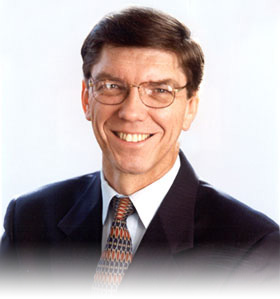
At the World Health Care Congress in Washington in early April, we heard Harvard Business School professor and author Clayton Christensen give a fabulous set of talks. Christensen, whose 2009 manifesto The Innovator’s Prescription: A Disruptive Solution for Health Care, coauthored with Jerome Grossman, M.D. and Jason Hwang, M.D., was a sensation in healthcare circles, said that US health care “reform” legislation did nothing except to “cement the current unsustainable model.” He said that nothing innovative can really happen in the United States for another ten to twenty years (!). But what’s happening in India and Africa is stunning, he said. “When you have no other options, that’s the perfect model for innovation.”

Clayton Christensen

Clayton Christensen (photo courtesy http://www.claytonchristensen.com)

In another WHCC talk, Grameen Bank founder and Nobel laureate Muhammad Yunus pointed to a similar phenomenon. The new paradigm he cited: Build cheap practical versions of high tech tools and clinics that focus on a narrow range of badly needed treatments: think “surgery factories.” Here, the innovation focuses as much on the process of care delivery as it does on the care itself, reminiscent of the “business model innovation” cited by Christensen in The Innovator’s Prescription as one of the key needs of the U.S. healthcare system.

Muhammad Yunus

Nobel laureate Muhammad Yunus, founder of Grameen Bank

Consider eye surgery, ironically one of the profit centers for physicians even in countries like Canada which have “socialized medicine.” In India, for example, Aravind Eye Hospitals can offer $25 cataract surgery. Each doctor at Aravind does about 2000 surgeries a year. As The Economist put it in its startling April 15 survey of developing-world innovation “The World Turned Upside Down”, “Aravind [is] the world’s biggest eye-hospital chain [and] performs some 200,000 eye operations a year. It takes the assembly-line principle literally: four operating tables are laid side by side and two doctors operate on adjacent tables. When the first operation is done, the second patient is already in place.” The price is lower, but the process is still profitable. What a refreshing thought for those of us in countries like the United States, where each incremental innovation feels exponentially more expensive!

Then consider the upstream impact of such massive scale: costs must be lower, so technology must adapt. Krishna Reddy of Care Hospitals said at WHCC that his organization looks at every opportunity to lower costs. When designing a device for heart surgery, for example, they try to make only the part that will touch the heart disposable. In many cases, Aravind and Care have found ways to manufacture their own devices more cheaply than their first-world cousins.

LifeSpring Hospital

LifeSpring Hospital in India

Then look at childbirth. Elsewhere at WHCC, we heard about birthing centers created by LifeSpring in India that, according to The Economist, have reduced the cost of giving birth in a private hospital to $40 by looking after many more mothers. They charge $1.60 for a consultation with a physician and about $38 for an average delivery. They are teaching the people WHY there is value in paying for a delivery (versus mother and child possibly dying on a dirt floor out in the middle of nowhere). They market to husbands and mothers-in-law, and they paint the places cheery colors and make them comfortable and appealing. They are profitable and expanding, and the patients demand quality care for the price, which is of course well below the Western market price. Of course, we surmise that care is available so cheaply only via “paraskilling” e.g. deliveries by midwives or nurses, with physicians in the background if needed, which is not (yet) allowed to such a great extent in the developed world.

How about the business of healthcare? Take electronic medical records, for example, which received a chunk of government support in the US HCR package. India is rolling out a smartcard that can be printed up in any village and contains biometric information along with the patient’s health record. Standards are imposed from above: Local governments have to make sure these cards can be read anywhere if they want to get their share of government funding for the program. About fourteen million cards have been created already and the goal is to get one for each of the 300 million Indians who qualify for this plan, specifically – and only – those poor workers who tend to move a lot. Interestingly, Anil Swarup, Director General in the Indian Ministry of Labour & Employment, said in his talk at WHCC that it is important to charge something, not nothing, otherwise patients don’t think the service has any value and won’t use it. Furthermore, charging something, even very little, shows respect for the patients’ dignity. Swarup claimed that a large part of the project’s success was due to his complete naivete regarding health insurance. Certainly, no one anticipating the usual landmines would have attempted something as simple and yet far-reaching as he appears to be well on his way to achieving.

As more users are brought into the healthcare system, this drives up demand for “low-tech” services such as cheap, practical, point-of-care diagnostics. That theme came up again in a recent lecture by biotech financier and big-picture thinker Stephen Burrill held at MIT on April 14. “China passed its own health care reform in April, 2009,” Burrill said. “They want to provide healthcare for all 1.2 billion of their people.” Just think of the economies of scale! Innovation in low-tech areas such as healthcare delivery will be massively rewarded.

Consider three low-cost healthcare innovations from the developed world described at the World Health Care Congress:

  • Mobisante’s smartphone/ultrasound device: Mobisante has developed a smartphone that can serve as an ultrasound scanner. It stores information, sends images to hospitals for diagnosis, and employs a touch-screen interface


We’ll look at each of these one at a time along with a look at how two boomerangs have already begun to return.

Mobisante: the smartphone-based ultrasound
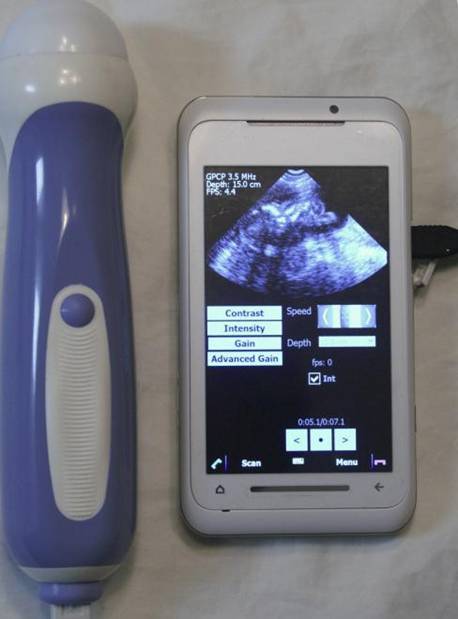
Mobisante is based in Redmond, WA, and run by Sailesh Chutani, a former Microsoft executive. It has developed a smartphone that can serve as an ultrasound scanner. It stores information, sends images to hospitals for diagnosis, and employs a touch-screen interface.  The first market for the device is the developing world, where its makers say seventy per cent of people cannot get access to ultrasound services. The device will cost approximately $5,000, which may still seem steep by developing nation standards, but will be attractive to public health departments and NGOs, since having access to ultrasound is to vital to many medical diagnoses. Chutani predicts the device will allow ultrasounds that cost less than $1 a patient.

Boomerang: In his talk at WHCC, Chutani said that their next market will be primary care physicians in the developed world.  While the device doesn’t replace high-end ultrasound equipment found in most U.S. hospital radiology departments, it is perfectly suitable for taking “a quick look” for example to confirm a pregnancy or determine that a baby is in the breech position.  Such devices could thus expand the range of services that primary care doctors do, taking business away from specialists.  This could be especially important for the twenty million (!) patients in America treated in community health centers. The needs of this community have traditionally not been the main focus, to say the least, of big-company health care technology developers but that seems to be changing as we shall see below when we come to General Electric.

Mobisante smartphone ultrasound

Mobisante’s ultrasound smartphone

Diagnostics For All’s paper diagnostics laboratory
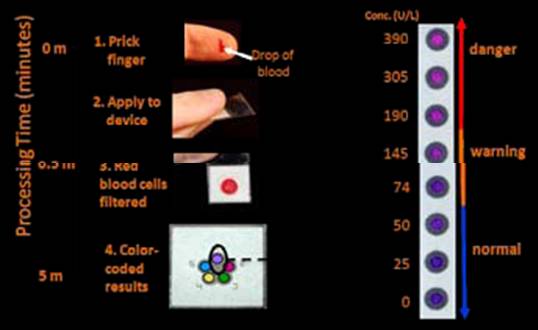
For a former venture capitalist who used to attend an annual “lab-on-a-chip” conference that was all about silicon, glass and plastic, the appearance of a lab made of paper from Diagnostics For All (DFA) comes as a bit of a shock. It apparently impressed the jury of the WHCC poster competition, which awarded DFA the conference’s top prize. But there it is: a network of channels on a single tiny device routing blood, urine or other bodily fluids to tiny assay spots that give easy-to-detect color readouts. The product is based on the elegant microfluidics and materials science work of the serial biotech entrepreneur George Whitesides of Harvard University and the company’s board is studded with some of Boston’s biotech elite, e.g. former Vertex CEO Josh Boger. According to the non-profit’s web site, the nearly-all-paper chips are “designed for resource-poor settings”, are “less expensive to manufacture and deploy than alternatives” and are intended for populations that would otherwise have no access to the high-tech wonders of the modern diagnostics lab.

The DFA lab-on-a-stamp has not yet boomeranged back to the United States but one could imagine myriad developed-world applications beginning with self-monitoring for disease or for medication compliance.

Diagnostics for All lab-on-a-postage-stamp

Diagnostics For All paper “diagnostics lab”, offering high precision coupled with low cost and robustness required of deployment in “resource-poor settings”

Voxiva: Taking “mHealth” (“mobile health”) to the developing world – and back
Voxiva is one of these U.S.-based innovators that started out serving healthcare providers and patients in developing countries and has already made the leap back to the developed world. The company started in 2001 deploying mobile phones for public health with its disease-outbreak reporting system. Speaking at WHCC, William Warshauer, Voxiva’s Executive Vice President, pointed out that mobile phones are a game-changing technology in public health. By the end of 2010, 90% of people in the world will be living within reach of a cell phone signal. Voxiva anticipated this trend, and has built a range of platforms that use cell phones to address health needs. The company first established the HIV/AIDS health management system in Rwanda which helps that country manage drug stocks and avoid the type of shortages that once plagued them regularly. The power of wireless, Warshauer points out, is that you can not only pull information from multiple sites, you can also push it. The health care worker who is reporting the number of vaccines distributed can get a message back saying “your district is 15th in terms of vaccination rate.”

Boomerang: Recently, Voxiva launched its first service in the United States. Text4baby promotes safe motherhood among lower income women. The service is free to the users because mobile carriers have donated the messages. Women are asked for their due date and zip code and then get three messages a week.

These reports resonate with project work CBT Advisors did last year about how innovations in telemedicine were likely to find their way to the market. Our overpowering conclusion from that assessment was that iPhone apps, distance treatment by physicians and all manner of new services were being introduced both in the developed and developing worlds. But virtually none of it was being reimbursed! The innovation was finding its way to the end users with very little intermediation. And consumers outside of highly regulated countries like the United States were likely to derive earlier advantage from it.

Escaping the morass

While non-profits and for-profits avidly mine developing nations for future health solutions, what do companies here do? Plenty, obviously. But they are plagued by a morass of regulations, some well-meaning and efficient and some just stifling, imposed by a large number of federal and state agencies (HIPAA and FDA to name just two). We attended another conference in Cambridge, this one sponsored by Xconomy and held at the MIT Media Lab. See Xconomy’s report on the conference here.

What caught our attention was how many of the innovations featured at this star-studded conference were “workarounds” for some of the more outdated U.S. regulations. Two excellent examples of this are fax transmission of medical records and transmission of images only on CDs, not over the internet. Most physician offices still do it this way in order to comply with patient privacy regulations under so-called HIPAA rules. Thus the fax and CD have been “locked in.” Other transmission methods might be permitted under the regulations but compliance is so cumbersome that they have not yet been widely implemented.

Hamid Tabatabaie, CEO of Life Image, is focused on providing technology to cut costs for storage and sharing of images, and at the same time improving image quality. One billion medical images are expected to be taken annually in the United States by 2012, with waste that Tabatabaie estimates at $15 billion to $20 billion a year due to repeat imaging. Related to that is the lack of image management abilities in the form of networks for storage, retrieval and sharing of images.

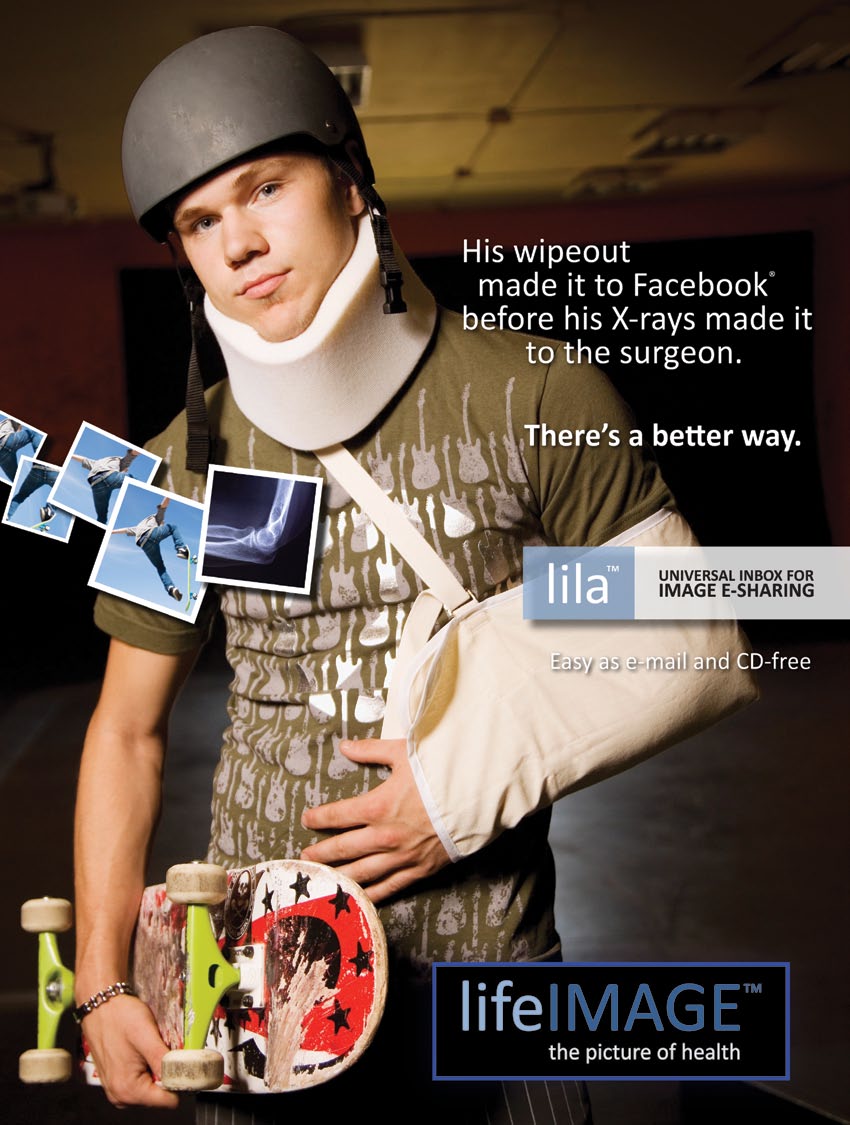
At the Xconomy conference, Tabatabaie showed a slide of a skateboarder and an X-ray image. “We’re here to fix the problem that this guy’s buddies on Facebook saw his wipeout before his surgeon saw his X-ray,” Tabatabaie said. Typically, images are passed around the U.S. health care system on CDs. But many of these CDs never reach the right hands, or don’t work when they get there, which leads to repeat imaging. Life Image, a Massachusetts-based, venture-backed company is like a home page for images. Access to the images is tightly controlled, but once a physician is granted access, she needs only to click a mouse to see them. It has been adopted in nine northeastern U.S. hospital groups and now the company is expanding to Florida.

'His wipeout made it to Facebook before the X-rays made it to the surgeon.'

'His wipeout made it to Facebook before the X-rays made it to the surgeon'


So to put it bluntly, developing-worlders innovate to improve care; we innovate to overcome our own bureaucracy.

Innovation inching closer all the time
Going back to boomerangs: which technologies are likely to turn up soonest on U.S. shores? Some higher-cost technologies are here already. As Christensen pointed out in his talk at WHCC, Pfizer and General Electric (GE) are creating many of their innovative products for the developing world, where there is less regulation to get in the way, and then bringing them to the United States and Europe years later. Last year, GE CEO Jeffrey Immelt published an article in Harvard Business Review (“How GE is Disrupting Itself”), outlining why, in healthcare and other markets, GE is pursuing what he and his co-authors dubbed “reverse innovation”. He cited two products that have already boomeranged, a “$1,000 handheld electrocardiogram device and a portable, PC-based ultrasound machine that sells for as little as $15,000.” Both were “originally developed for markets in emerging economies (the ECG device for rural India and the ultrasound machine for rural China) and are now being sold in the United States, where [GE is] pioneering new uses for such machines. They are part of a $3 billion initiative of GE to introduce technologies in the United States that actually lower healthcare costs.

And some of even the more technology- and physician-intensive procedures – think heart surgery – that developing-world-based pioneers have taken on are moving closer to that key milestone. Witness this Nov. 25, 2009 Wall Street Journal piece.

It described the growing franchise of Dr. Devi Shetty, whose hospitals in India perform huge numbers of heart bypass operations (officially called coronary artery bypass graft or CABG) at a price point of $2,000, just a bit below the typical $50,000 to $100,000 charged by Western hospitals – with a lower mortality rate. Dr. Shetty is planning to build and run a new hospital in the Cayman Islands, an hour away from Miami by plane, offering surgeries at a middle-level price point.

Besides heart surgery, what other technologies will arrive soon? The intersection of smartphones and personal health monitoring is one sweet spot. Self-administered diagnostics (think home pregnancy and home HIV testing) and treatment compliance monitoring could be another.

Eventually, maybe even in less than twenty years, market forces are going to even things out. Pricing of healthcare is just so arbitrary and, at least in the United States, so unrelated to value. Yunus has said he hopes to build a health care system that provides quality care so cheaply “even Westerners will want to use it.”

Reading The Innovator’s Prescription again in the wake of healthcare “reform,” we are struck by the observation that there is virtually no reason for any health care provider in the United States to lower prices. Indeed, Harvard’s Christensen wrote, affordable innovation virtually always arises outside of standard systems including healthcare. And the Obama healthcare reform has more or less cemented into place the misplaced incentives. In the book, Christensen identified eight different categories of U.S. healthcare regulation that “now impede disruption and must be changed” (page xliii) i.e. that these regulations are preventing innovation from taking hold. But insurance reform did not affect even one of them! Maybe that’s why he sounded so frustrated in his talk. It’s as if every “must” in the book has been replaced with “won’t.”

So in the United States, we have well-meaning but strangling regulation. Elsewhere, there is rampant innovation. We think we know which will win. One way or another, the innovation we are noticing overseas will soon reach US consumers in ways that will be both remarkable and necessary.

# # #

*Malorye Allison is a Boston-based freelance writer who writes and blogs regularly about innovations in healthcare.

5 Comments

Filed under Uncategorized

Venter Builds a Bacterium – and a Bio+Technology Company

By Steve Dickman, CEO, CBT Advisors

For a glimpse at the future of biotechnology, we recommend this week’s Economist cover story on Craig Venter and his Science paper describing the creation of a bacterium with a synthetic genome. The accomplishment, which made front pages around the world on Thursday*, reflects a high-profile step along the winding path to a new industry. The new bio+technology will practice true genetic engineering on genomes and organisms, yielding predictable and practical results including – one hopes – cheap and environmentally friendly biofuels.

The Economist story along with an accompanying editorial is available without charge here. The Science paper is similarly free here.

The Economist has done its usual thorough job in this piece. The science and technology editor of many years, Geoff Carr, demanded and got the cover for the story, not to mention three full pages inside. That’s unusual treatment for a science piece. The piece, unattributed, lays out the case for why Venter’s creation is so remarkable: “the first creature since the beginning of creatures that has no ancestor.” As you see from this example, the treatment is somewhat breathless (cue the Frankenstein metaphor) but also persuasive:

• We learn the limitations of Venter’s organism, cobbled together as it was from the carcass of an enucleated bacterium in which the new genome hijacked the cadaver’s protein synthesis machinery.
• We learn the status of Boston-based academic projects like the RNA-based self-replicating life forms that Harvard’s (Nobel laureate) Jack Szostak hopes to create that can mimic what early life may have looked like in a primordial “RNA world.”
• And we learn of next-stage projects like that of another Harvard professor, George Church http://arep.med.harvard.edu/gmc/, who is attempting to engineer a protein-synthesizing ribosome from scratch.
• Finally, we learn the magazine’s view that although technology, which until now been mostly of academic interest, is perhaps still nothing more than a parlor trick (the magazine calls it a “stunt”), there is one big reason to believe that re-engineering of microorganisms is the next big step toward true bio+technology.

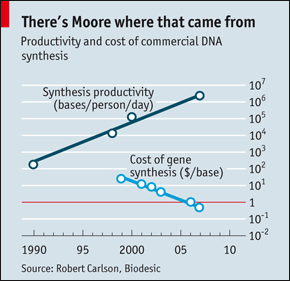
That reason derives largely from two diverging exponential curves: the rising productivity of efforts to synthesize DNA; and the cost of said synthesis, which is plummeting. This application of “Moore’s law” leads directly to the conclusion that ever-fancier tricks will lead to ever-more practical and powerful end products, which might include carbon-dioxide-eating, gasoline-producing bacteria. At least this is what Venter wants investors in his company Synthetic Genomics to believe. The case is strengthened by this publication, although in July, 2009, presumably even before the paper was even submitted to Science, Exxon Mobil had promised to invest as much as $600 million in Synthetic Genomics.

Moore's Law of Biology: declining cost, increasing productivity of DNA synthesis

Figure 1: Exponential improvement in the availability of (some of) the stuff of life (Courtesy The Economist)

And therein lies an interesting twist not covered in the article: how the race for a new organism is playing out on the commercial side. It is just thirteen months since the Boston Globe (in April, 2009) announced the demise of the Boston area’s entry to the gene synthesis race, a now-defunct, then five-year-old biotech company called Codon Devices. Codon Devices, a CBT Advisors client, went to market with a strategy of selling synthetic DNA. The company had high-profile advisors, including Church and then-MIT professor Drew Endy, also quoted here. Codon did not lack for high-profile investors, who included Kleiner Perkins, Alloy Ventures and the Boston area’s own Flagship Ventures and Highland Capital. Its corporate slides, presented at BIO 2006 in Chicago, even mentioned “Moore’s law in biology” as a selling point. But the assumption that “if you build it they will come” did not work for a DNA factory. There was a lack of demand for DNA, even long stretches of it, at premium prices.

Codon’s problems included the main one mentioned by the Globe: lack of ability to raise additional venture money during a financial crisis and an IPO drought. But in retrospect it also seems like the company did not forward integrate quickly enough into lucrative end markets, preferring instead to try to supply them all and try thereby to capitalize on its technology advantages. Other gene synthesis companies have recently moved beyond selling genes (e.g. California-based DNA 2.0, which just signed a strategic alliance with a protein expression company) or been sold off (GeneArt in Germany, bought by Life Technologies last month).

Venter’s firm was never content to stop at DNA synthesis alone. It forward-integrated all the way to a new and interesting form of life. Synthetic Genomics has also been quicker and more efficient – not to mention having Venter himself as its marquee spokesman – at finding a deep-pocketed and thus far sustainable base of investors.

We agree that synthetic biology has the potential to be the future of biotech. That’s why we are calling the field it is spawning bio+technology. It will take not just cheap DNA but brilliant bio-architects doing more than parlor tricks to make the new industry a reality.

# # #

*The Belfast Telegraph jumped the gun and broke the Science embargo on publication early on Thursday. That landed the story at the top of the web sites of newspapers and scientific journals around the world a day or so ahead of the original plan.

Leave a comment

Filed under Uncategorized

VC From Both Sides: “Mastering the VC Game” by Jeffrey Bussgang

A Boston Biotech Watch Book Review

By Steve Dickman, CEO, CBT Advisors

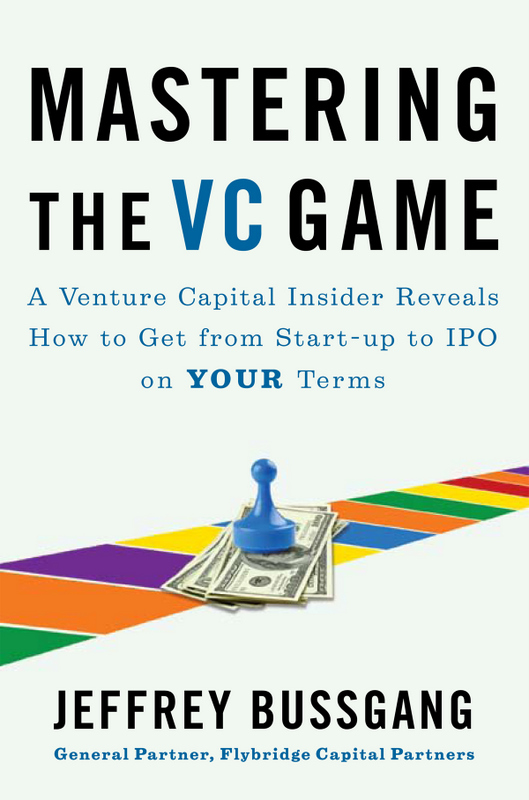
Jeffrey Bussgang’s new book Mastering the VC Game: A Venture Capital Insider Reveals How to Get from Start-up to IPO on Your Terms is a welcome contribution to the literature surrounding venture capital and entrepreneurship. Entrepreneurs of all stripes, whether in healthcare or information technology or cleantech, stand to benefit from Bussgang’s highly personal and articulate look at the process of raising venture money.

Part how-to, part memoir and part reportage, Bussgang’s book offers a folksy stroll through the gardens and thickets of the venture funding process. What’s more, Bussgang, a general partner at Boston-based Flybridge Capital Partners adds transparency and rationality to many seemingly impenetrable aspects of it.

This is no small feat. To some entrepreneurs, VCs may sound like politicians and football coaches, using words without saying anything. Many entrepreneurs, especially after their business plans have been turned down a few times, see VCs as masters of the universe who talk in zen koans or SilValSpeak. Worse, they see VCs as vapid schemers afloat on oceans of “other people’s money” who will never understand businesses as well as those who run them.

MasteringTheVC_cover Therefore, the rare VC who, like Bussgang, has actually been a successful entrepreneur may come to enjoy a special place in the entrepreneur’s heart. “He’s been where I am” is the basis for what an entrepreneur hopes is the beginning of a beautiful business relationship. In my experience, this is a reasonable expectation. My VC office became a more fair-minded and understanding place when a seasoned entrepreneur joined the team.

Bussgang writes with passion and conviction about how to build a company as much as he does about how to fund one. He comes to authorship having worked with not one but two highly successful startups – first Open Market and then Upromise. Both had great exits (Bussgang writes that he was a “paper millionaire” by the age of 26) and Upromise is still on the scene, albeit as part of Sallie Mae, which acquired it in 2006. Bussgang had an early role in both, especially in Upromise. When he was there, he writes, he and his colleague nervously pitched to the legendary VC John Doerr of Kleiner Perkins. The company went on to win the investment.

It is Bussgang’s crossover history as well as his knack for reporting on the work of others that allows the book to overcome its largest obvious potential flaw: how can Bussgang consider himself a “master” when as an investor he has apparently had only one or two exits?

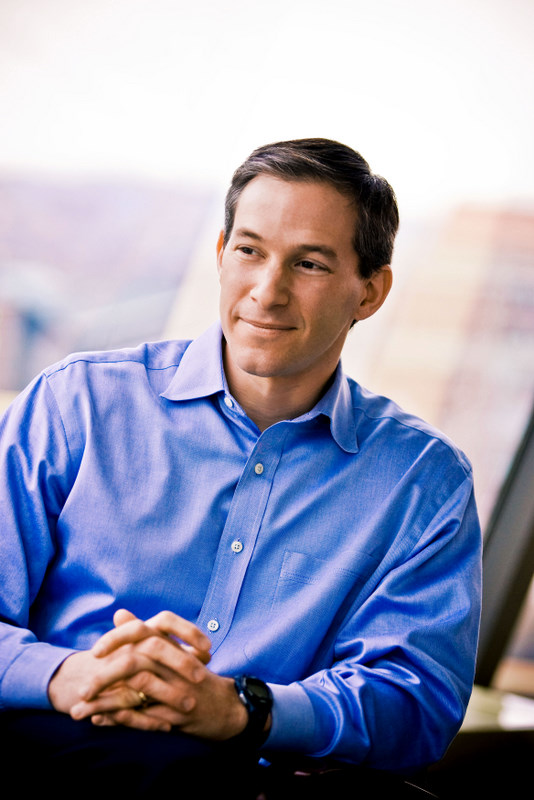
jeff_bussgangBussgang succeeds because he is a savvy reporter and scores fresh material from some key people in both life sciences and information technology e.g. LinkedIn’s Reid Hoffman; Constant Contact’s Gail Goodman; Sirtris’ Christoph Westphal; because he is not afraid to address tough issues, such as differences between a CEO and his or her board of directors; and because he displays an infectious ebullience in relating the ups and downs of both entrepreneurship and investing.

The book owes its existence to some extent to blogging; VC-bloggers are an unusual species, now growing in number, and Bussgang joined their ranks early with his blog Seeing Both Sides: VC Perspectives From a Former Enterpreneur. There, he found satisfaction in sharing some of the steps he took to make his companies successful in both of his careers. The book was a natural next step. Readers can expect pithy and readable answers to questions such as:

1). Should I raise angel money or VC money for my fledgling company? (Bussgang’s checklist is very helpful – I’ve put it to use already in my practice).

2). If I decide to take VC money, how do I approach VCs, by cold call or warm introduction? (The question gives away the answer…)

3). Several VCs are interested in my company; what criteria do I use to choose among them? (It’s not always about the money.)

4). What are the keys to getting along with the VCs who have already invested in my company? (One well-known entrepreneur quoted here called VCs “the hire I could never fire.”)

5). How up-front should I be with information about my company that might be damaging to the company should it fall into the wrong hands? (In my own experience, the answer is to err on the side of saying too much. Being too secretive is one of the worst mistakes I have seen entrepreneurs make.)

Book reviewers are notorious for airing their quibbles so here goes, but I hope they are taken not as a criticism but as a call to action for Bussgang and other VC bloggers everywhere:

It’s good that the book contains a “blog roll”; too bad that it does not go on to cite Twitter feeds about VC and entrepreneurship. The book makes no mention of web-based tools for tracking or understanding the VC industry (“TheFunded.com” comes to mind). There is no chapter – or even a quick aside – on how VC is likely to change (or has already changed) in response to the financial crisis of 2007-2008, a topic obsessing more than a few portfolio companies not to mention would-be entrepreneurs.

I don’t want to spoil it by saying too much more (though a 40-page chunk of the book is available free on Bussgang’s web site. What I will say is that, as an avid reader of the literature about VC (for a list of my previous faves, see below), I find Bussgang’s book to be a welcome addition. By both staying away from technical jargon and avoiding the temptation to reduce his advice to over-general sound bites, Bussgang threads the needle and we all benefit.

# # #

Steve Dickman’s favorite books on VC and entrepreneurship
The First $20 Million is Always the Hardest: A Novel by Po Bronson (1995) – Too sad to be funny and too funny to be sad, Bronson’s fictional tale of a 1990s computing startup rings true and should make the reader immediately pick up Bronson’s other books Nudist on the Late Shift and Bombardiers.

StartUp coverStartUp coverStartup: A Silicon Valley Adventure by Jerry Kaplan (1994) – A self-deprecating and illuminating account of Kaplan’s first venture, a Kleiner Perkins-backed “pentop computing” company that never turned a profit. In a New Yorker interview published after the book came out, Kleiner general partner and former company board member John Doerr said, “[The book] should have been called ‘Screw-Up.’”

Done Deals: Venture Capitalists Tell Their Stories by Udayan Gupta (ed.) (2000) – Like Bussgang’s book, this little-known and somewhat out-of-date work delivers real lessons from real VCs in their own words.)

Lerner Venture Capital Casebook coverVenture Capital and Private Equity: A Casebook by Josh Lerner, Felda Hardymon & Ann Leamon – Lerner, an excellent researcher and writer, is “the source” in academia on VC topics. This book is in the “case” format used at Harvard Business School, where Lerner teaches. The top-listed Amazon reviewer called it “perhaps the only book available on the subject matter.” It is more VC-focused than entrepreneur-focused.

eBoys cover
eBoys: The True Story of the Six Tall Men Who Backed eBay, Webvan and Other Billion-dollar Start-ups
by Randall Stross (2000) – An at times informative, at times adulatory look at life inside Benchmark Capital, one of the most financially successful venture funds of the 1995-2000 era. The anecdotes about funding eBay and WebVan are worth the price of the book.

Burn Rate coverBurn Rate: How I Survived the Gold Rush Years on the Internet by Michael Wolff (1998) – A hilarious and witty romp through the bubble-era world of revenue-free Silicon Alley media startups – Wolff, a long-time columnist for New York magazine, names names and the reader benefits.

1 Comment

Filed under Uncategorized

Company Serves New Genetic Testing Market: The Not-Yet-Conceived

By Steve Dickman, CEO, CBT Advisors

What’s the next key population for personalized medicine? We’ve got it: not those with hereditary disease nor those with chronic conditions. Not even anyone who is sick, well, young or old. It’s the not-yet-conceived.

As the New York Times reported on the front page in January, the Redwood City, California-based company Counsyl is offering to prospective parents a unique, one-price panel of SNP-based tests for over one hundred genetic diseases, including cystic fibrosis, Tay-Sachs, spinal muscular atrophy(SMA), sickle cell disease, and Pompe disease. Pay $349 a parent and you too can learn whether your offspring will be at risk for these diseases and a host of other single gene disorders.

Counsyl logo
Based on our understanding of the genetic testing space and on the information available about this company, it seems like Counsyl’s test, on the market for several months, is in a position to do very well. After all, assuming the testing is done accurately and discreetly, what parent would not like to put his or her mind at ease by quantifying this risk?

But the very ease-of-use and consumer friendliness that make the test appealing as a commercial proposition raise intriguing questions about the ethical and societal implications of such screening tests as their availability and scope grow.

This post comes in three sections: we will first describe what Counsyl does, how it differs from existing genetic testing services and what its business advantages and challenges might be. Then we will consider some of the societal and practical concerns raised by experts in medical genetics and bioethics whom we have interviewed on this topic. Finally, we will look to the future of pre-conception screening to consider the implications if techniques providing higher information content – especially full sequencing – are brought to bear on the specific market segment of would-be parents.

As our readers know, we are most eager to shine our light on a personalized medicine company if it is viable as a venture investment. Counsyl has not raised VC money and may never need to do so, but after the usual important caveats (e.g. about cost of sales, gross margin etc.) it sure looks like a “doable deal” to us. In two angel rounds reported on the SEC Web site, Counsyl has raised a total of $4.9 million in angel investment. The company declined to be interviewed for this post.

What makes Counsyl look like a good deal? We continue to believe strongly in the criteria we laid out, courtesy of Dion Madsen, GP at Physic Ventures in San Francisco, in our mid-December, 2009, post entitled “Medicine Gets Personal – But How Do VCs Make Money?” These require that a potential investment be

1. Actionable – it informs a decision around treatment, preventive action or behavior

2. Cost-effective

3. Based on validated science; and

4. Clinically meaningful.

Based on these criteria, Counsyl’s test passes with only a few small hesitations.

Actionable
Once handed the results, potential parents – married couples, unmarried people considering having a child together or even customers at sperm banks – could choose not to conceive (e.g. to adopt instead) or to go through in vitro fertilization (IVF) followed by preimplantation genetic diagnosis (PGD). Counsyl’s customers could in principle even select a mate based on whether the person carries risks for the hundred or so genetic diseases in Counsyl’s panel. Other actions are possible and will be addressed below.
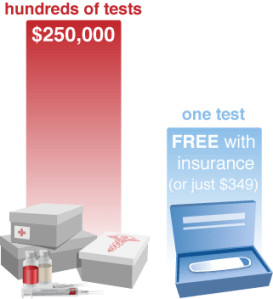
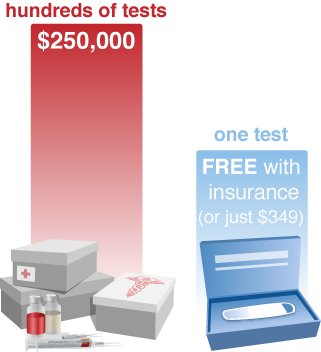
Counsyl UGT graphic - cost of test vs. status quo

Counsyl claims its test will save thousands and be reimbursed by insurers

Cost-effective
The company’s price point of $698 per couple is low given the many tests it offers. Tests for some of the most common diseases on the list, such as Tay-Sachs disease, can cost $100 or more when tested for alone or in combination with a small number of other diseases. At just $349 a person for Tay-Sachs and a hundred other diseases, Counsyl’s test would seem to be a bargain.

Based on validated science
This one is harder for us to judge. But all of the diseases listed on the company’s web site can be tested for with a simple (in the jargon of genetic testing, a ”SNP-based”), rather than a complex (“sequencing-based”), test. In many cases, such as sickle cell disease, a large majority of carriers have just a one-base-pair mutation in their genetic code. A blood test or, in this case, a saliva test ought to be highly effective at identifying carriers with a high degree of confidence and without a large number of false positives. (The web site claims greater than 99.9% sensitivity and specificity i.e. virtually no false positives or false negatives). And of course, in every case where there is an initial positive result, a confirmatory test can and should be performed.

Clinically meaningful

This is the toughest one of all. We have to consider at least two scenarios: How meaningful is it to know in advance that one’s child would have a 25% or greater chance* (See Footnote) of being afflicted with a genetic disease? And how meaningful is it to know if the child has a chance to wind up a carrier?

Gattaca Movie promo pic - Uma Thurman and Ethan Hawke

PGD for all – except Ethan Hawke

The first scenario is more important – it represents the raison d’être for the test. We’ll look at both below.

Business challenge: barriers to entry
But before that, let’s consider a business challenge: competition. There do not appear to be too many barriers to entry in this area of genetic testing. Counsyl probably does not even own the rights to the DNA underlying most of the tests included in its panel. Even if Counsyl strikes deals with patent-holders on single-gene diseases, DNA “ownership” is under siege. Indeed, in a controversial court ruling on March 29, 2010, a U.S. district court judge struck down the patent protection of Myriad Genetics on the breast and ovarian cancer susceptibility genes BRCA1 and BRCA2. This ruling, which will undoubtedly be appealed, opened the door to even wider competition on diagnostic tests than before. Large-scale reimbursement will provide a more meaningful barrier than any other; it is still too early to tell how widely the Counsyl test will be reimbursed by insurers.

Now back to the question of whether the Counsyl test is “clinically meaningful.” First, consider the case where both prospective parents turn out to be carriers of a (recessive) gene for a devastating and untreatable disease like spinal muscular atrophy (SMA), a motor neuron disease related to ALS (Lou Gehrig’s disease) that is often fatal in early childhood. The parents’ carrier status puts their offspring at 25% risk for inheriting the disease. Parents who know that might choose to undergo IVF and PGD or to adopt instead of having biological children.

Indeed, carrier screening for specific diseases in specific populations has been widely adopted even when it is more expensive and less revealing than what Counsyl is offering.

Take cystic fibrosis (CF), for example. This genetic disease causes the accumulation of sticky mucus in the lungs as well as digestive problems. Life expectancies have increased from the teens and twenties all the way up to thirty-seven but given the option, many parents have avoided bringing children into the world who have a high chance of having CF. Kaiser Permanente recently was reported by USA Today to have identified 87 couples who were among the 10 million CF carriers in the United States, and when their fetuses were tested, twenty-three were found to have the disease. Seventeen of these were shown to have the more severe form of the disease and parents chose to terminate sixteen of those pregnancies. Four of six pregnancies were terminated in cases where the fetuses were shown to have a less severe form. More broadly, USA Today also reported that couples who were informed after prenatal screening of genetic disease present in their offspring-to-be chose to terminate pregnancies about fifty per cent of the time.

For many parents, the pre-conception decision to adopt or to undergo the rigors and expense of PGD is much less problematic – and perhaps more consistent with their religious or ethical beliefs – than the decision to terminate a pregnancy. Indeed, both advocates and opponents of prenatal screening might be able to agree that there are advantages that this type of pre-conception screening provides.

For a case in point, think about the Ashkenazi Jewish population which is prone to severe genetic diseases including Tay-Sachs because of founder mutations in the early (small) Eastern European population combined with the tendency especially of orthodox Jews to marry within their group.

The scourge of Tay-Sachs disease, which is typically fatal in early childhood, is what prompted Rabbi Josef Eckstein to found Dor Yeshorim, a Brooklyn-based group that offers free blood tests to Jews. Before he started Dor Yeshorim, Rabbi Ekstein lost four children to Tay-Sachs. He told USA Today “I am a Holocaust survivor. I was born in the middle of the Second World War. I hope that I am not a suspect for practicing eugenics. We are just trying to have healthy children.”

eugenic-certificate

Eugenics in a new light?

Dor Yeshorim said it has 300,000 members and has branched out to test for not only Tay-Sachs but eight other genetic diseases including CF. Tay-Sachs births are down to about a dozen a year in the United States. “In the Orthodox Ashkenazi community around the world, we have virtually wiped out the diseases we screen for,” the group’s development director Allan Binder told USA Today.

Downstream consequences

But what Counsyl is selling is the opposite of targeted. It calls its product the “Universal Genetic Test,” which is a bit of a misnomer given how many genetic diseases (thousands) are NOT included in the current panel. The idea is that the test be offered as broadly as possible. Over a hundred U.S. clinics are providing the test and Counsyl claims that it is already being reimbursed by insurers. Customers can even mail in saliva samples and receive their results directly.

In interviews with Boston Biotech Watch, medical geneticists and ethicists raised concerns about Counsyl’s test based in part on this accessibility and ease-of-use. Whereas the test itself is “actionable” since it can lead to a decision to pursue adoption or PGD, the PGD route is “extremely expensive, burdensome and risky” said Gail Geller of Johns Hopkins University’s Berman Institute of Bioethics . IVF cycles cost $10,000 each and PGD thousands more (e.g. reported at $5,800 on the web site of an IVF clinic in California. IVF is covered in some states (e.g. Massachusetts and New Jersey) but in most U.S. states and most other countries, it is paid out of pocket.

This leads to another objection from Geller: that the downstream consequences of screening, including IVF and PGD procedures, raise not only cost issues but also “other weighty issues such as … access … [and] deleterious effects on people who undergo it. We don’t even know the long-term effects of [the ovarian] hyperstimulation” required for IVF.

Of course, adoption and PGD are not the only potential actions that can be taken following a positive signal on the Counsyl test. Another likely – if controversial – action for some couples will be to test the fetus early in pregnancy (for example with chorionic villus sampling – CVS – which is already indicated for women with high-risk pregnancies) and terminate in the event of a positive test. Some would argue that this route preserves the fifty to seventy-five per cent of offspring who would not have been born with the disease in question. But that decision comes with a price, terminating a pregnancy, likely to be too high for some.
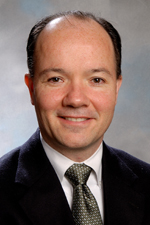
Michael Murray of Brigham & Women's Hospital

Michael F. Murray: A Screen Too Far? Photo courtesy Partners Healthcare Center for Genetic and Genomic Medicine

The actionability of Counsyl’s test was also questioned by Michael F. Murray, a medical geneticist at Brigham & Women’s Hospital and a faculty member at Harvard Medical School in Boston. Murray says that the all-comers access to Counsyl’s test means that “they are doing genetic screening for people who have no reason to be screened.” This can lead to issues with the outcomes of the tests. “Doing a cystic fibrosis test in an African-American or a sickle cell test in a Caucasian-American, you will get a very low yield from those tests. When you come up with a positive in those settings, it will be hard to interpret it.”

Both of these sets of objections are reminiscent of some criticisms of 23andme.com, Navigenics and other “consumer genomics” companies. Those companies offer similar DNA-based tests for adults and then reveal genetic predispositions for everything from diabetes to ear wax type. Lately, the popularity of 23andme and its peers has seemed to stall, according to the New York Times. Actionability is a big reason. After the novelty of knowing one’s predispositions has worn off, is life really all that different?

In that regard, the Counsyl test is “more actionable than all the other genetic platforms like 23andme” said Santiago Munné, Director of PGD at The Institute for Reproductive Medicine and Science at Saint Barnabas in Livingston, NJ. After all, what could be a more decisive action than choosing not to have a child at all?

Munné, who agreed that his practice stands to benefit if the Counsyl test is widely adopted (“for my business, this is great,” he said), was also not concerned about the potential for false positives and other inaccuracies in the Counsyl SNP-based test. “For at least 90% of what we test for, the SNPs are the real mutation.” Furthermore, “they can always do a more rigorous test like PCR” if a SNP-based test comes up positive.

Too much information?
Perhaps the largest question raised by the experts about more extensive pre-conception testing concerns anxiety. When a couple are told, for example, that their child will not inherit a genetic disease because both partners are not carriers but that there is a likelihood that the child will him- or herself be a carrier, what does that mean? Most couples would likely go ahead with a pregnancy upon being informed of carrier status. After all, every one of us is a carrier for something. But the same way that learning one’s own genetic predispositions via a 23andme.com or Navigenics or Decode Genetics test may provide “too much information” and not enough meaning behind it, learning that about one’s potential offspring might be even harsher.

Geller, Murray and others expressed even deeper reservations about the likely next stage for pre-conception genetic testing: full sequencing of both prospective parents. Counsyl does not offer sequencing-based tests but other seed-stage companies have come to our attention that are considering doing so. None of these companies has emerged from stealth mode, so the comments here about sequencing-based tests can be considered speculation. On the other hand, the cost of sequencing is dropping rapidly. The $1,000 genome seems just months away. And has there ever been a medically relevant technology that was developed but not used?

The pre-conceived genome
Concerns about sequencing in the pre-conception setting run parallel with concerns about whole-genome sequencing in general. There is a “triple whammy” with sequencing in this setting which makes the observers’ concerns even graver: that sequencing provides much information that is NOT actionable; that therefore, the more data there is, the more anxiety it will create; and that THIS patient population above all others is prone to irrational decision-making and costly second-guessing none of which can really provide the answers the couples are seeking.

“Going to full sequencing would represent a disproportional increase in data and a decrease in the understanding of that data,” said Murray. At least the SNP-based data in Counsyl’s test will be more focused than that. “SNP data will tell you “yes or no” at 500,000 points or whatever it is,” Murray said. “Sequence data will come up with all kinds of variation. We will know even less about how to interpret a lot of that. In fact, people are starting to talk about the $1,000 sequence followed by the million dollar workup.”

Other medical geneticists concurred because of the nature of the customer population. Murray said, “Those couples tested are going to be frantic with whatever the data is. They will be seeing ten specialists to talk about ten diseases that they never heard of before and it will be an unclear risk to begin with. So I think that that model [of pre-conception sequencing] will generate tons of downstream costs with uncertain benefit.”

This concern dovetails with the one we alluded to earlier: what does a couple do with the knowledge that their child will likely be a carrier of some severe disease? Isn’t that the kind of knowledge that couples might rather not have? Will Counsyl have to begin to offer more limited test results telling parents only when their offspring have the potential to have these diseases rather than just carry a gene for them?
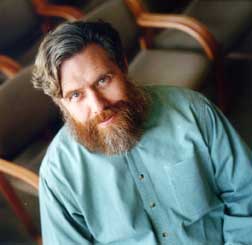
George Church of Harvard Medical School

Prof. George Church, sequencing proponent

We contacted George Church, a Harvard professor and sequencing technology innovator, one of the first people to have his genome sequenced and the results published as part of the Personal Genome Project. Church is professor of genetics at Harvard Medical School and also heads the Lipper Center for Computational Genetics there. To Church, the dichotomy between SNP-based tests and sequencing-based tests is not going to be around for long. “Many medical genetic traits have a large enough number of genes and alleles that are highly predictive and actionable,” Church wrote in an email message. “It is more than fit onto a simple chip, and the list grows at a rate that is hard to update with chips but easy to update with sequencing software.” Examples he cited include the hereditary eye disease retinitis pigmentosa, which can cause blindness, and BRCA1 and BRCA2, which are linked to risk for breast cancer.

Furthermore, Church said, “sequencing is routinely used for many/most clinical genetics right now (e.g. Myriad Genetics [and its BRCA1/BRCA2 test]).”

Church also rejects the concern about causing anxiety to prospective parents. “This sounds paternalistic,” he wrote. It is “as if patients and doctors aren’t able (with appropriate fact sheets or software) to combine diverse data to get better predictions — and for many variants wait for new research or new symptoms. Perhaps we should start implementing safeguards against economically incentivized overinterpretation rather than against low cost multiple tests.”

Church’s argument echoes one heard widely by advocates of personalized medicine on the merits of decentralization. By putting the data, however ambiguous and anxiety-provoking it is, into the hands of the customers themselves, Counsyl allows each person to choose exactly how to respond, if at all.

A business or a public health measure?
The next objection puts the Counsyl offering into perspective. When asked whether the Counsyl test – cheaper, more comprehensive and available even to people who live far away from the nearest diagnostics lab – was actually a net benefit for society, Murray said, “It’s true that if you screen everyone in the world, you will help some people who might otherwise not have been helped. But,” he continued, “it is a business plan and NOT a carefully considered screening plan.” From a public health point of view, pre-conception screening might be done very differently.

Ramji Srinivasan, CEO of Counsyl

Ramji Srinivasan, 28, Counsyl’s founder-CEO

We agree with that. Counsyl is a business. It has been set up to provide a return for its investors. And like so many other experiments to come in the world of personalized medicine, Counsyl has isolated just one market within many and resolved to address it very thoroughly. Counsyl’s business plan seems to follow “Entrepreneurship Rule 101” very well: focus, focus and focus some more.

We also have to remember that the Counsyl test is a “1.0” version, with all the potential for bugs and subsequent improvement. The next generation of Counsyl’s offering might be much more sophisticated, offering more nuanced results for specific customer subgroups both inside and, eventually, outside the United States. (Newsweek reported in December, 2009, that the government of Taiwan is considering offering reimbursed access to the Counsyl test to its entire population.) The “2.0” version may well contain even more tests since, as Murray put it, “there is a tidal wave of these tests coming.”

A final ethical issue we see even thought our sources did not emphasize it is the “designer babies” question: the Counsyl test, especially as later versions of it incorporate more and more disease-causing genes, strongly supports a world-view that says human beings can control their destiny by controlling the gene pool. The free market in genetic data exploited by Counsyl accelerates humanity on a path down the slippery slope toward attempts to control IQ, weight, height and other factors, much the same way that in some cultures, the most sought-after piece of genetic data about a future offspring is whether there is a Y chromosome present i.e. whether a baby will be a boy.

They’re my genes, and I want to know what they are

Counsyl seems to have made a strong start, giving it a “first-mover advantage” toward grabbing a big share of a new and growing market. Personal genomics companies like 23andme and Navigenics – whose DNA tests are after all based on the same technology and priced in the same range of a few hundred dollars – might well be kicking themselves for not getting to these customers first. It may be that the customers who are most anxious about the results of a test like this are also those most eager to pay the fee, get the data and then decide what to do with it.

# # #

*According to the rules of Mendelian inheritance, so-called “recessive genes” (more precisely “recessive autosomal variants”) that also breed true (i.e. that have “high Mendelian penetrance”) lead to a 25% chance that an offspring will have two copies of the disease gene and thus have the disease. If the disease gene happens to fall on the X chromosome, the likelihood is 50%. In cases where the disease emerges haphazardly rather than predictably (i.e. of “incomplete penetrance”) and of multi-gene traits (QTLs or “quantitative trait loci”), the likelihood of disease would be lower and would vary widely.

1 Comment

Filed under Uncategorized

Genetix Pharmaceuticals, A Gene Therapy Company (!), Takes Down $35 million in a Compelling Turnaround Story

By Steve Dickman, CEO, CBT Advisors

It’s only March but, in our view, it’s time to dub Genetix Pharmaceuticals (Note: name changed later on to bluebird bio) of Cambridge, MA, biotech’s “Turnaround Story of the Year.” Genetix announced today that it had raised $35 million in a Series B financing led by Boston’s Third Rock Ventures, former Millennium CEO Mark Levin’s fund. Third Rock Partner Nick Leschly, who is also becoming interim President of Genetix, led the deal for Third Rock, which was joined by one other new investor, Genzyme Ventures, alongside the company’s existing investors.

Not many companies can tell a story as compelling, especially in a field that was once as disfavored as gene therapy. By year’s end, based on our knowledge of the twists and turns of this story (see disclaimer below), we daresay that no one will even rank a close second in the Turnaround Tournament. We will lay out the case for handing the award to Genetix after briefly describing what the company does and what it has accomplished.

Genetix has developed in-house a gene therapy that, for the first time, has been shown in humans to durably alleviate the devastating effects of the hereditary blood disorder beta-thalassemia and, potentially, also the related blood disorder sickle cell disease. The company has also acquired rights to a related gene therapy that can halt the progression of the devastating childhood brain disease adrenoleukodystrophy (ALD for short, also known as Lorenzo’s Oil Disease). Both approaches have been shown in clinical trials to be effective “showing arrested disease progression” according to a company press release. Two ALD patients had their disease progression halted in a study described in the journal Science in November, 2009 (http://www.sciencemag.org/cgi/content/abstract/sci;326/5954/818).

Nick Leschly, Third Rock Ventures  (Image courtesy Third Rock Ventures)

Nick Leschly, Third Rock Ventures (Image courtesy Third Rock Ventures)

Genetix fits a theme that Leschly said is very important to Third Rock: “the opportunity to develop breakthrough gene therapies for severe disease,” especially genetic disease. He agrees that gene therapy has been down and out for a long time, but he said that “we think things are changing,” based on good clinical data and also on the increasing amount of fresh pharmaceutical industry interest in the sector. It has not been Third Rock’s main practice to invest in companies started by other investors but, Leschly said, “We looked for two years in these areas of rare and genetic diseases and Genetix presented us with the opportunity to make a major difference.” It helped a lot, Leschly said, to have Genzyme, the premier orphan drug developer in the industry and an old gene therapy hand, joining the company as an investor. They bring “great perspective and balance,” Leschly said. A Genzyme executive, Senior Vice President James Geraghty, has been a member of Genetix’ board of directors since 2005.

Figure 1: How Genetix’ gene therapy works

Figure 1: How Genetix’ gene therapy works (Graphic courtesy Genetix/CBT Advisors)

Toughing it out
As promising as this all sounds, it took patience and persistence on the part of the company’s management, its employees and especially its investors to keep Genetix going long enough to get it to its current state. More than five years have gone by since the last financing by new investors, an eternity in today’s fast-twitch world of quick returns or quick thumbs-down investor decisions. The three venture investors who came in to Genetix in 2004, TVM Capital, Forbion Capital and Easton Capital, could have easily turned against the company and been applauded for their tough-mindedness. Instead, the venture capitalists on the Genetix board, who include two Europe-based medical doctors and a New York-based lawyer, remained steadfast. At the same time, in a move that was pivotal for Genetix’ later success, the company streamlined its activities to focus on its clinical programs, reducing its burn rate to the bare minimum while still pursuing its clinical goals. The management also successfully in-licensed the ALD product to augment the company’s already strong clinical pipeline.

To put the venture investors’ doggedness into perspective, the usual investment cycle for a venture-backed company is two years, three at the outside. Since it can typically take a year or more to raise a venture round, venture-backed CEOs spend nearly all of their time raising money. But in this case, after the first two years, the company’s VCs still had to go back to their partners for fifteen more quarters assuring them that patience would pay off if only more money could be put in. That has got to be some kind of record.

Another fascinating aspect to this investment is the geography. Typically, VCs invest in local companies, where they can best apply their knowledge and experience, and they fund products intended for all markets but especially local markets. In this case, interestingly, a Boston-area investor chose to invest in a Boston-area company, which sounds like a standard formula, except that this particular company has a Paris office and had run both of its clinical trials in France. Furthermore, much of Genetix’ initial market was likely to be in Europe, which has a much higher number of beta-thalassemia patients for reasons of genetics. The gene that confers susceptibility is most widespread in the Mediterranean basin, the Middle East, southern China and in subtropical regions like Thailand.

But these confounding factors can also be seen as advantages. Leschly sees the company as a more international play than a European one, with an upcoming trial in ALD slated to recruit patients in the United States as well as in France. “France is a pioneer in gene therapy,” Leschly said. For example, due to France’s history as a hotbed of gene therapy basic and clinical research, not to mention the French location of both of the company’s key scientific advisors, founder Dr. Philippe Leboulch and Dr. Patrick Aubourg, the company’s French “second home” is a plus. “The future,” with the company headquarters remaining in Cambridge and trials in North America, Europe and possibly beyond, “is global.”

Figure 2: Science published this graphic in 1998 with an article of Steve Dickman

Perhaps the largest obstacle overcome by Genetix has to do with its field: gene therapy, the replacement in the body of “faulty” genes with functioning copies of the same genes. There is something inherently appealing about such a rewriting of the genetic code, awaking visions of overcoming disease by a process similar to debugging a computer program. That is just one of many reasons why venture investors – and reporters, granting agencies and others – fell so hard for gene therapy. And yet the field has not lived up to its promise – indeed, it has in many cases been a major disappointment.

By 2003, when the company’s three investors began to converge on the company prior to the 2004 investment round, gene therapy had fallen so far that it seemed nearly unfinanceable. In our venture capital days, we were told by one wise source in VC that finding co-investors for our deal would turn out to be impossible. “Every fund has at least one investor who has been burned by a gene therapy investment,” this advisor said. “That guy, or gal, whoever it is, will make sure to step and kill this deal.” That is pretty close to what happened. Many investors were shown Genetix and very few of them took more than a cursory look.

Coming full circle
Three key developments have ensured that a gene therapy investment today is merely ‘edgy’ (the way it would be to move into a ‘marginal’ neighborhood, say, expecting it to gentrify) and no longer perceived as ‘clinically insane.’ These include: Genetix’ own clinical success with, apparently, no safety issues; some other positive trial results by venture-backed companies like Ceregene , AMT, and most recently and most lucratively, the publicly traded Transgene, a France-based company that just this past Wednesday, March 10, announced a licensing deal for its gene therapy product in oncology with Novartis for a potential – and staggering – $955 million (admittedly this number is largely payable only upon success in Phase 3 and beyond). The Transgene-Novartis deal is one of the largest deals ever for a gene therapy company and reflects a critical shift on the part of the pharmaceutical industry. The media is beginning to cover the resurgence of gene therapy, for example in the Science article “A Comeback for Gene Therapy.”

Not only has gene therapy come full circle but pharma interest in orphan diseases is at an all-time high. Once considered pariahs in an industry more interested in “blockbuster” drugs, orphan offerings are front and center for several major pharmaceutical companies, including Novartis (with the Transgene deal, GSK (with its recent deal with Prosensa on Duchenne Muscular Dystrophy and Pfizer with its deal with Protalix on Gaucher’s disease. FDA has even begun actively soliciting orphan drug applications from biotech and pharmaceutical companies, holding workshops around the country, the Wall Street Journal reported this week.

Finally, Genetix’ gene therapies are autologous, that is, patient-specific. This treatment modality, a true example of “personalized medicine, has gained strongly in popularity among pharmaceutical companies as the blockbuster window has closed.The relatively high manufacturing costs for a therapy that has to be created one patient at a time are in this case offset by the likely pricing. In the case of Genzyme’s enzyme replacement products, the reimbursements run into the hundreds of thousands of US dollars per year for therapies that must be provided for life. Genetix’ treatments, by contrast, could potentially be effective when delivered only once and might result in a lifelong or at least long-term response.

Obstacle Factor(s) that changed
Gene therapy out of favor Clinical data! Safety shown over years
CEO resigned in 2006 New talent hired; rest of team performed strongly; VCs took hands-on role
Market not “blockbuster” enough Blockbuster opportunities faded; orphan disease and personalized med. came into vogue based among other things on Genzyme’s strong results
Capital drought Company reduced burn but obtained meaningful clinical data; VCs were committed and persistent
Overcoming new investor’s bias toward founding “own” companies An “amazing” and “unusual” opportunity with TWO programs showing proof of concept in “humans, not mice, not dogs” says lead investor Leschly

The challenge ahead
Leschly cautioned that the Genetix story is just beginning. “As excited as we are about this financing, we have to remind ourselves that it is early and that there are a lot of hurdles,” he said. The company must prepare for larger trials and for rapidly advancing two therapies for very different diseases at the same time. For Leschly, the “very, very promising results” in the early trials – results which, he pointed out, come with the caveat that they were obtained in small numbers of patients, offer “a basis to build a meaningful presence” in orphan disease therapy. Leschly recognizes that especially in disease states like thalassemia and sickle cell disease, large numbers of patients live in areas outside of reimbursed markets such as North America and Europe. Therefore, it will be important to explore collaborations with disease foundations as well as other non-dilutive financing options to expand the population for whom treatment is financially within reach.

For us, the Genetix financing is an encouraging sign that biotech is returning to its roots. There are two aspects to this: for one, biotech companies like Genentech, Amgen and especially Genzyme were initially created to meet unmet medical need wherever it existed and not only in “blockbuster” markets. For another, the renaissance in gene therapy is well on the way to proving that all the early efforts were not for naught. Like antibodies before it, gene therapy seems to have just needed much more time to mature. And it took stories like GSK becoming an orphan drug-focused company, or Novartis staking a claim on a gene therapy for cancer, to show that Turnaround King Genetix will not be alone if and when it completes its improbable recovery. The real rewards are still to come.

# # #

Disclaimers
When he was a venture investor with TVM Capital in 2003, Steve Dickman, in collaboration with his TVM colleague Dr. Axel Polack, worked together on investing in Genetix before the company was eventually funded by TVM Capital along with ABN AMRO (now called Forbion Capital) and Easton-Hunt (now called Easton Capital) in a 2004 venture round.

CBT Advisors provided fund-raising materials to Genetix during the raising of the Series B round just announced.

# # #

1 Comment

Filed under Uncategorized