Category Archives: Uncategorized

Company Serves New Genetic Testing Market: The Not-Yet-Conceived

By Steve Dickman, CEO, CBT Advisors

What’s the next key population for personalized medicine? We’ve got it: not those with hereditary disease nor those with chronic conditions. Not even anyone who is sick, well, young or old. It’s the not-yet-conceived.

As the New York Times reported on the front page in January, the Redwood City, California-based company Counsyl is offering to prospective parents a unique, one-price panel of SNP-based tests for over one hundred genetic diseases, including cystic fibrosis, Tay-Sachs, spinal muscular atrophy(SMA), sickle cell disease, and Pompe disease. Pay $349 a parent and you too can learn whether your offspring will be at risk for these diseases and a host of other single gene disorders.

Counsyl logo
Based on our understanding of the genetic testing space and on the information available about this company, it seems like Counsyl’s test, on the market for several months, is in a position to do very well. After all, assuming the testing is done accurately and discreetly, what parent would not like to put his or her mind at ease by quantifying this risk?

But the very ease-of-use and consumer friendliness that make the test appealing as a commercial proposition raise intriguing questions about the ethical and societal implications of such screening tests as their availability and scope grow.

This post comes in three sections: we will first describe what Counsyl does, how it differs from existing genetic testing services and what its business advantages and challenges might be. Then we will consider some of the societal and practical concerns raised by experts in medical genetics and bioethics whom we have interviewed on this topic. Finally, we will look to the future of pre-conception screening to consider the implications if techniques providing higher information content – especially full sequencing – are brought to bear on the specific market segment of would-be parents.

As our readers know, we are most eager to shine our light on a personalized medicine company if it is viable as a venture investment. Counsyl has not raised VC money and may never need to do so, but after the usual important caveats (e.g. about cost of sales, gross margin etc.) it sure looks like a “doable deal” to us. In two angel rounds reported on the SEC Web site, Counsyl has raised a total of $4.9 million in angel investment. The company declined to be interviewed for this post.

What makes Counsyl look like a good deal? We continue to believe strongly in the criteria we laid out, courtesy of Dion Madsen, GP at Physic Ventures in San Francisco, in our mid-December, 2009, post entitled “Medicine Gets Personal – But How Do VCs Make Money?” These require that a potential investment be

1. Actionable – it informs a decision around treatment, preventive action or behavior

2. Cost-effective

3. Based on validated science; and

4. Clinically meaningful.

Based on these criteria, Counsyl’s test passes with only a few small hesitations.

Actionable
Once handed the results, potential parents – married couples, unmarried people considering having a child together or even customers at sperm banks – could choose not to conceive (e.g. to adopt instead) or to go through in vitro fertilization (IVF) followed by preimplantation genetic diagnosis (PGD). Counsyl’s customers could in principle even select a mate based on whether the person carries risks for the hundred or so genetic diseases in Counsyl’s panel. Other actions are possible and will be addressed below.
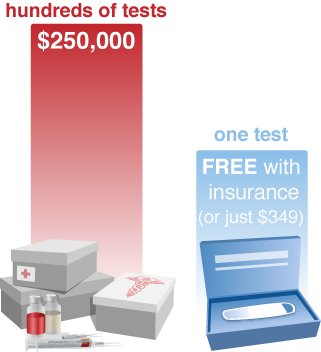
Counsyl UGT graphic - cost of test vs. status quo

Counsyl claims its test will save thousands and be reimbursed by insurers

Cost-effective
The company’s price point of $698 per couple is low given the many tests it offers. Tests for some of the most common diseases on the list, such as Tay-Sachs disease, can cost $100 or more when tested for alone or in combination with a small number of other diseases. At just $349 a person for Tay-Sachs and a hundred other diseases, Counsyl’s test would seem to be a bargain.

Based on validated science
This one is harder for us to judge. But all of the diseases listed on the company’s web site can be tested for with a simple (in the jargon of genetic testing, a ”SNP-based”), rather than a complex (“sequencing-based”), test. In many cases, such as sickle cell disease, a large majority of carriers have just a one-base-pair mutation in their genetic code. A blood test or, in this case, a saliva test ought to be highly effective at identifying carriers with a high degree of confidence and without a large number of false positives. (The web site claims greater than 99.9% sensitivity and specificity i.e. virtually no false positives or false negatives). And of course, in every case where there is an initial positive result, a confirmatory test can and should be performed.

Clinically meaningful

This is the toughest one of all. We have to consider at least two scenarios: How meaningful is it to know in advance that one’s child would have a 25% or greater chance* (See Footnote) of being afflicted with a genetic disease? And how meaningful is it to know if the child has a chance to wind up a carrier?

Gattaca Movie promo pic - Uma Thurman and Ethan Hawke

PGD for all – except Ethan Hawke

The first scenario is more important – it represents the raison d’être for the test. We’ll look at both below.

Business challenge: barriers to entry
But before that, let’s consider a business challenge: competition. There do not appear to be too many barriers to entry in this area of genetic testing. Counsyl probably does not even own the rights to the DNA underlying most of the tests included in its panel. Even if Counsyl strikes deals with patent-holders on single-gene diseases, DNA “ownership” is under siege. Indeed, in a controversial court ruling on March 29, 2010, a U.S. district court judge struck down the patent protection of Myriad Genetics on the breast and ovarian cancer susceptibility genes BRCA1 and BRCA2. This ruling, which will undoubtedly be appealed, opened the door to even wider competition on diagnostic tests than before. Large-scale reimbursement will provide a more meaningful barrier than any other; it is still too early to tell how widely the Counsyl test will be reimbursed by insurers.

Now back to the question of whether the Counsyl test is “clinically meaningful.” First, consider the case where both prospective parents turn out to be carriers of a (recessive) gene for a devastating and untreatable disease like spinal muscular atrophy (SMA), a motor neuron disease related to ALS (Lou Gehrig’s disease) that is often fatal in early childhood. The parents’ carrier status puts their offspring at 25% risk for inheriting the disease. Parents who know that might choose to undergo IVF and PGD or to adopt instead of having biological children.

Indeed, carrier screening for specific diseases in specific populations has been widely adopted even when it is more expensive and less revealing than what Counsyl is offering.

Take cystic fibrosis (CF), for example. This genetic disease causes the accumulation of sticky mucus in the lungs as well as digestive problems. Life expectancies have increased from the teens and twenties all the way up to thirty-seven but given the option, many parents have avoided bringing children into the world who have a high chance of having CF. Kaiser Permanente recently was reported by USA Today to have identified 87 couples who were among the 10 million CF carriers in the United States, and when their fetuses were tested, twenty-three were found to have the disease. Seventeen of these were shown to have the more severe form of the disease and parents chose to terminate sixteen of those pregnancies. Four of six pregnancies were terminated in cases where the fetuses were shown to have a less severe form. More broadly, USA Today also reported that couples who were informed after prenatal screening of genetic disease present in their offspring-to-be chose to terminate pregnancies about fifty per cent of the time.

For many parents, the pre-conception decision to adopt or to undergo the rigors and expense of PGD is much less problematic – and perhaps more consistent with their religious or ethical beliefs – than the decision to terminate a pregnancy. Indeed, both advocates and opponents of prenatal screening might be able to agree that there are advantages that this type of pre-conception screening provides.

For a case in point, think about the Ashkenazi Jewish population which is prone to severe genetic diseases including Tay-Sachs because of founder mutations in the early (small) Eastern European population combined with the tendency especially of orthodox Jews to marry within their group.

The scourge of Tay-Sachs disease, which is typically fatal in early childhood, is what prompted Rabbi Josef Eckstein to found Dor Yeshorim, a Brooklyn-based group that offers free blood tests to Jews. Before he started Dor Yeshorim, Rabbi Ekstein lost four children to Tay-Sachs. He told USA Today “I am a Holocaust survivor. I was born in the middle of the Second World War. I hope that I am not a suspect for practicing eugenics. We are just trying to have healthy children.”

eugenic-certificate

Eugenics in a new light?

Dor Yeshorim said it has 300,000 members and has branched out to test for not only Tay-Sachs but eight other genetic diseases including CF. Tay-Sachs births are down to about a dozen a year in the United States. “In the Orthodox Ashkenazi community around the world, we have virtually wiped out the diseases we screen for,” the group’s development director Allan Binder told USA Today.

Downstream consequences

But what Counsyl is selling is the opposite of targeted. It calls its product the “Universal Genetic Test,” which is a bit of a misnomer given how many genetic diseases (thousands) are NOT included in the current panel. The idea is that the test be offered as broadly as possible. Over a hundred U.S. clinics are providing the test and Counsyl claims that it is already being reimbursed by insurers. Customers can even mail in saliva samples and receive their results directly.

In interviews with Boston Biotech Watch, medical geneticists and ethicists raised concerns about Counsyl’s test based in part on this accessibility and ease-of-use. Whereas the test itself is “actionable” since it can lead to a decision to pursue adoption or PGD, the PGD route is “extremely expensive, burdensome and risky” said Gail Geller of Johns Hopkins University’s Berman Institute of Bioethics . IVF cycles cost $10,000 each and PGD thousands more (e.g. reported at $5,800 on the web site of an IVF clinic in California. IVF is covered in some states (e.g. Massachusetts and New Jersey) but in most U.S. states and most other countries, it is paid out of pocket.

This leads to another objection from Geller: that the downstream consequences of screening, including IVF and PGD procedures, raise not only cost issues but also “other weighty issues such as … access … [and] deleterious effects on people who undergo it. We don’t even know the long-term effects of [the ovarian] hyperstimulation” required for IVF.

Of course, adoption and PGD are not the only potential actions that can be taken following a positive signal on the Counsyl test. Another likely – if controversial – action for some couples will be to test the fetus early in pregnancy (for example with chorionic villus sampling – CVS – which is already indicated for women with high-risk pregnancies) and terminate in the event of a positive test. Some would argue that this route preserves the fifty to seventy-five per cent of offspring who would not have been born with the disease in question. But that decision comes with a price, terminating a pregnancy, likely to be too high for some.
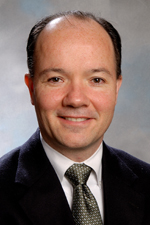
Michael Murray of Brigham & Women's Hospital

Michael F. Murray: A Screen Too Far? Photo courtesy Partners Healthcare Center for Genetic and Genomic Medicine

The actionability of Counsyl’s test was also questioned by Michael F. Murray, a medical geneticist at Brigham & Women’s Hospital and a faculty member at Harvard Medical School in Boston. Murray says that the all-comers access to Counsyl’s test means that “they are doing genetic screening for people who have no reason to be screened.” This can lead to issues with the outcomes of the tests. “Doing a cystic fibrosis test in an African-American or a sickle cell test in a Caucasian-American, you will get a very low yield from those tests. When you come up with a positive in those settings, it will be hard to interpret it.”

Both of these sets of objections are reminiscent of some criticisms of 23andme.com, Navigenics and other “consumer genomics” companies. Those companies offer similar DNA-based tests for adults and then reveal genetic predispositions for everything from diabetes to ear wax type. Lately, the popularity of 23andme and its peers has seemed to stall, according to the New York Times. Actionability is a big reason. After the novelty of knowing one’s predispositions has worn off, is life really all that different?

In that regard, the Counsyl test is “more actionable than all the other genetic platforms like 23andme” said Santiago Munné, Director of PGD at The Institute for Reproductive Medicine and Science at Saint Barnabas in Livingston, NJ. After all, what could be a more decisive action than choosing not to have a child at all?

Munné, who agreed that his practice stands to benefit if the Counsyl test is widely adopted (“for my business, this is great,” he said), was also not concerned about the potential for false positives and other inaccuracies in the Counsyl SNP-based test. “For at least 90% of what we test for, the SNPs are the real mutation.” Furthermore, “they can always do a more rigorous test like PCR” if a SNP-based test comes up positive.

Too much information?
Perhaps the largest question raised by the experts about more extensive pre-conception testing concerns anxiety. When a couple are told, for example, that their child will not inherit a genetic disease because both partners are not carriers but that there is a likelihood that the child will him- or herself be a carrier, what does that mean? Most couples would likely go ahead with a pregnancy upon being informed of carrier status. After all, every one of us is a carrier for something. But the same way that learning one’s own genetic predispositions via a 23andme.com or Navigenics or Decode Genetics test may provide “too much information” and not enough meaning behind it, learning that about one’s potential offspring might be even harsher.

Geller, Murray and others expressed even deeper reservations about the likely next stage for pre-conception genetic testing: full sequencing of both prospective parents. Counsyl does not offer sequencing-based tests but other seed-stage companies have come to our attention that are considering doing so. None of these companies has emerged from stealth mode, so the comments here about sequencing-based tests can be considered speculation. On the other hand, the cost of sequencing is dropping rapidly. The $1,000 genome seems just months away. And has there ever been a medically relevant technology that was developed but not used?

The pre-conceived genome
Concerns about sequencing in the pre-conception setting run parallel with concerns about whole-genome sequencing in general. There is a “triple whammy” with sequencing in this setting which makes the observers’ concerns even graver: that sequencing provides much information that is NOT actionable; that therefore, the more data there is, the more anxiety it will create; and that THIS patient population above all others is prone to irrational decision-making and costly second-guessing none of which can really provide the answers the couples are seeking.

“Going to full sequencing would represent a disproportional increase in data and a decrease in the understanding of that data,” said Murray. At least the SNP-based data in Counsyl’s test will be more focused than that. “SNP data will tell you “yes or no” at 500,000 points or whatever it is,” Murray said. “Sequence data will come up with all kinds of variation. We will know even less about how to interpret a lot of that. In fact, people are starting to talk about the $1,000 sequence followed by the million dollar workup.”

Other medical geneticists concurred because of the nature of the customer population. Murray said, “Those couples tested are going to be frantic with whatever the data is. They will be seeing ten specialists to talk about ten diseases that they never heard of before and it will be an unclear risk to begin with. So I think that that model [of pre-conception sequencing] will generate tons of downstream costs with uncertain benefit.”

This concern dovetails with the one we alluded to earlier: what does a couple do with the knowledge that their child will likely be a carrier of some severe disease? Isn’t that the kind of knowledge that couples might rather not have? Will Counsyl have to begin to offer more limited test results telling parents only when their offspring have the potential to have these diseases rather than just carry a gene for them?
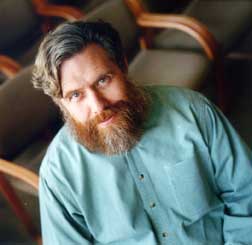
George Church of Harvard Medical School

Prof. George Church, sequencing proponent

We contacted George Church, a Harvard professor and sequencing technology innovator, one of the first people to have his genome sequenced and the results published as part of the Personal Genome Project. Church is professor of genetics at Harvard Medical School and also heads the Lipper Center for Computational Genetics there. To Church, the dichotomy between SNP-based tests and sequencing-based tests is not going to be around for long. “Many medical genetic traits have a large enough number of genes and alleles that are highly predictive and actionable,” Church wrote in an email message. “It is more than fit onto a simple chip, and the list grows at a rate that is hard to update with chips but easy to update with sequencing software.” Examples he cited include the hereditary eye disease retinitis pigmentosa, which can cause blindness, and BRCA1 and BRCA2, which are linked to risk for breast cancer.

Furthermore, Church said, “sequencing is routinely used for many/most clinical genetics right now (e.g. Myriad Genetics [and its BRCA1/BRCA2 test]).”

Church also rejects the concern about causing anxiety to prospective parents. “This sounds paternalistic,” he wrote. It is “as if patients and doctors aren’t able (with appropriate fact sheets or software) to combine diverse data to get better predictions — and for many variants wait for new research or new symptoms. Perhaps we should start implementing safeguards against economically incentivized overinterpretation rather than against low cost multiple tests.”

Church’s argument echoes one heard widely by advocates of personalized medicine on the merits of decentralization. By putting the data, however ambiguous and anxiety-provoking it is, into the hands of the customers themselves, Counsyl allows each person to choose exactly how to respond, if at all.

A business or a public health measure?
The next objection puts the Counsyl offering into perspective. When asked whether the Counsyl test – cheaper, more comprehensive and available even to people who live far away from the nearest diagnostics lab – was actually a net benefit for society, Murray said, “It’s true that if you screen everyone in the world, you will help some people who might otherwise not have been helped. But,” he continued, “it is a business plan and NOT a carefully considered screening plan.” From a public health point of view, pre-conception screening might be done very differently.

Ramji Srinivasan, CEO of Counsyl

Ramji Srinivasan, 28, Counsyl’s founder-CEO

We agree with that. Counsyl is a business. It has been set up to provide a return for its investors. And like so many other experiments to come in the world of personalized medicine, Counsyl has isolated just one market within many and resolved to address it very thoroughly. Counsyl’s business plan seems to follow “Entrepreneurship Rule 101” very well: focus, focus and focus some more.

We also have to remember that the Counsyl test is a “1.0” version, with all the potential for bugs and subsequent improvement. The next generation of Counsyl’s offering might be much more sophisticated, offering more nuanced results for specific customer subgroups both inside and, eventually, outside the United States. (Newsweek reported in December, 2009, that the government of Taiwan is considering offering reimbursed access to the Counsyl test to its entire population.) The “2.0” version may well contain even more tests since, as Murray put it, “there is a tidal wave of these tests coming.”

A final ethical issue we see even thought our sources did not emphasize it is the “designer babies” question: the Counsyl test, especially as later versions of it incorporate more and more disease-causing genes, strongly supports a world-view that says human beings can control their destiny by controlling the gene pool. The free market in genetic data exploited by Counsyl accelerates humanity on a path down the slippery slope toward attempts to control IQ, weight, height and other factors, much the same way that in some cultures, the most sought-after piece of genetic data about a future offspring is whether there is a Y chromosome present i.e. whether a baby will be a boy.

They’re my genes, and I want to know what they are

Counsyl seems to have made a strong start, giving it a “first-mover advantage” toward grabbing a big share of a new and growing market. Personal genomics companies like 23andme and Navigenics – whose DNA tests are after all based on the same technology and priced in the same range of a few hundred dollars – might well be kicking themselves for not getting to these customers first. It may be that the customers who are most anxious about the results of a test like this are also those most eager to pay the fee, get the data and then decide what to do with it.

# # #

*According to the rules of Mendelian inheritance, so-called “recessive genes” (more precisely “recessive autosomal variants”) that also breed true (i.e. that have “high Mendelian penetrance”) lead to a 25% chance that an offspring will have two copies of the disease gene and thus have the disease. If the disease gene happens to fall on the X chromosome, the likelihood is 50%. In cases where the disease emerges haphazardly rather than predictably (i.e. of “incomplete penetrance”) and of multi-gene traits (QTLs or “quantitative trait loci”), the likelihood of disease would be lower and would vary widely.

1 Comment

Filed under Uncategorized

Genetix Pharmaceuticals, A Gene Therapy Company (!), Takes Down $35 million in a Compelling Turnaround Story

By Steve Dickman, CEO, CBT Advisors

It’s only March but, in our view, it’s time to dub Genetix Pharmaceuticals (Note: name changed later on to bluebird bio) of Cambridge, MA, biotech’s “Turnaround Story of the Year.” Genetix announced today that it had raised $35 million in a Series B financing led by Boston’s Third Rock Ventures, former Millennium CEO Mark Levin’s fund. Third Rock Partner Nick Leschly, who is also becoming interim President of Genetix, led the deal for Third Rock, which was joined by one other new investor, Genzyme Ventures, alongside the company’s existing investors.

Not many companies can tell a story as compelling, especially in a field that was once as disfavored as gene therapy. By year’s end, based on our knowledge of the twists and turns of this story (see disclaimer below), we daresay that no one will even rank a close second in the Turnaround Tournament. We will lay out the case for handing the award to Genetix after briefly describing what the company does and what it has accomplished.

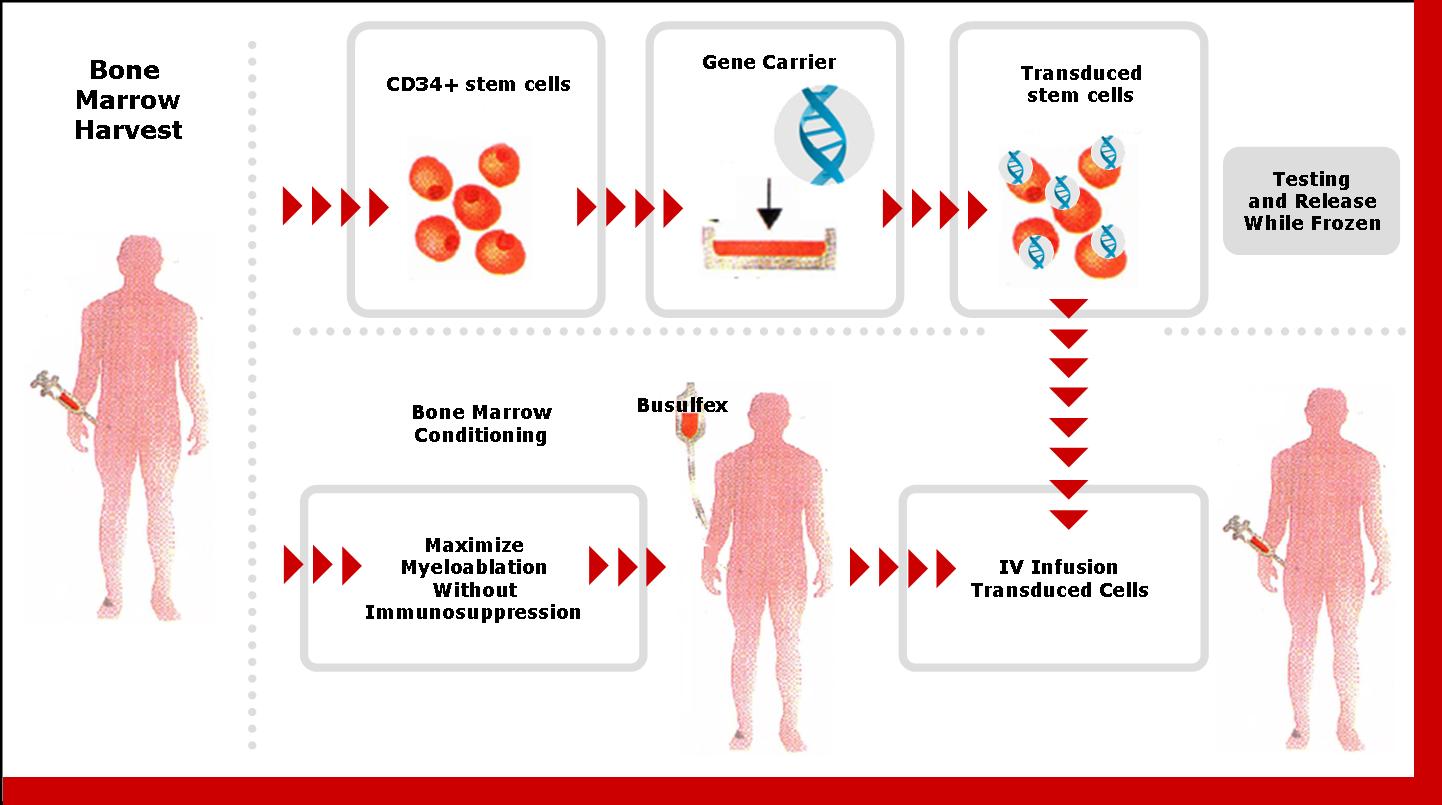
Genetix has developed in-house a gene therapy that, for the first time, has been shown in humans to durably alleviate the devastating effects of the hereditary blood disorder beta-thalassemia and, potentially, also the related blood disorder sickle cell disease. The company has also acquired rights to a related gene therapy that can halt the progression of the devastating childhood brain disease adrenoleukodystrophy (ALD for short, also known as Lorenzo’s Oil Disease). Both approaches have been shown in clinical trials to be effective “showing arrested disease progression” according to a company press release. Two ALD patients had their disease progression halted in a study described in the journal Science in November, 2009 (http://www.sciencemag.org/cgi/content/abstract/sci;326/5954/818).

Nick Leschly, Third Rock Ventures  (Image courtesy Third Rock Ventures)

Nick Leschly, Third Rock Ventures (Image courtesy Third Rock Ventures)

Genetix fits a theme that Leschly said is very important to Third Rock: “the opportunity to develop breakthrough gene therapies for severe disease,” especially genetic disease. He agrees that gene therapy has been down and out for a long time, but he said that “we think things are changing,” based on good clinical data and also on the increasing amount of fresh pharmaceutical industry interest in the sector. It has not been Third Rock’s main practice to invest in companies started by other investors but, Leschly said, “We looked for two years in these areas of rare and genetic diseases and Genetix presented us with the opportunity to make a major difference.” It helped a lot, Leschly said, to have Genzyme, the premier orphan drug developer in the industry and an old gene therapy hand, joining the company as an investor. They bring “great perspective and balance,” Leschly said. A Genzyme executive, Senior Vice President James Geraghty, has been a member of Genetix’ board of directors since 2005.

Figure 1: How Genetix’ gene therapy works

Figure 1: How Genetix’ gene therapy works (Graphic courtesy Genetix/CBT Advisors)

Toughing it out
As promising as this all sounds, it took patience and persistence on the part of the company’s management, its employees and especially its investors to keep Genetix going long enough to get it to its current state. More than five years have gone by since the last financing by new investors, an eternity in today’s fast-twitch world of quick returns or quick thumbs-down investor decisions. The three venture investors who came in to Genetix in 2004, TVM Capital, Forbion Capital and Easton Capital, could have easily turned against the company and been applauded for their tough-mindedness. Instead, the venture capitalists on the Genetix board, who include two Europe-based medical doctors and a New York-based lawyer, remained steadfast. At the same time, in a move that was pivotal for Genetix’ later success, the company streamlined its activities to focus on its clinical programs, reducing its burn rate to the bare minimum while still pursuing its clinical goals. The management also successfully in-licensed the ALD product to augment the company’s already strong clinical pipeline.

To put the venture investors’ doggedness into perspective, the usual investment cycle for a venture-backed company is two years, three at the outside. Since it can typically take a year or more to raise a venture round, venture-backed CEOs spend nearly all of their time raising money. But in this case, after the first two years, the company’s VCs still had to go back to their partners for fifteen more quarters assuring them that patience would pay off if only more money could be put in. That has got to be some kind of record.

Another fascinating aspect to this investment is the geography. Typically, VCs invest in local companies, where they can best apply their knowledge and experience, and they fund products intended for all markets but especially local markets. In this case, interestingly, a Boston-area investor chose to invest in a Boston-area company, which sounds like a standard formula, except that this particular company has a Paris office and had run both of its clinical trials in France. Furthermore, much of Genetix’ initial market was likely to be in Europe, which has a much higher number of beta-thalassemia patients for reasons of genetics. The gene that confers susceptibility is most widespread in the Mediterranean basin, the Middle East, southern China and in subtropical regions like Thailand.

But these confounding factors can also be seen as advantages. Leschly sees the company as a more international play than a European one, with an upcoming trial in ALD slated to recruit patients in the United States as well as in France. “France is a pioneer in gene therapy,” Leschly said. For example, due to France’s history as a hotbed of gene therapy basic and clinical research, not to mention the French location of both of the company’s key scientific advisors, founder Dr. Philippe Leboulch and Dr. Patrick Aubourg, the company’s French “second home” is a plus. “The future,” with the company headquarters remaining in Cambridge and trials in North America, Europe and possibly beyond, “is global.”

Figure 2: Science published this graphic in 1998 with an article of Steve Dickman

Perhaps the largest obstacle overcome by Genetix has to do with its field: gene therapy, the replacement in the body of “faulty” genes with functioning copies of the same genes. There is something inherently appealing about such a rewriting of the genetic code, awaking visions of overcoming disease by a process similar to debugging a computer program. That is just one of many reasons why venture investors – and reporters, granting agencies and others – fell so hard for gene therapy. And yet the field has not lived up to its promise – indeed, it has in many cases been a major disappointment.

By 2003, when the company’s three investors began to converge on the company prior to the 2004 investment round, gene therapy had fallen so far that it seemed nearly unfinanceable. In our venture capital days, we were told by one wise source in VC that finding co-investors for our deal would turn out to be impossible. “Every fund has at least one investor who has been burned by a gene therapy investment,” this advisor said. “That guy, or gal, whoever it is, will make sure to step and kill this deal.” That is pretty close to what happened. Many investors were shown Genetix and very few of them took more than a cursory look.

Coming full circle
Three key developments have ensured that a gene therapy investment today is merely ‘edgy’ (the way it would be to move into a ‘marginal’ neighborhood, say, expecting it to gentrify) and no longer perceived as ‘clinically insane.’ These include: Genetix’ own clinical success with, apparently, no safety issues; some other positive trial results by venture-backed companies like Ceregene , AMT, and most recently and most lucratively, the publicly traded Transgene, a France-based company that just this past Wednesday, March 10, announced a licensing deal for its gene therapy product in oncology with Novartis for a potential – and staggering – $955 million (admittedly this number is largely payable only upon success in Phase 3 and beyond). The Transgene-Novartis deal is one of the largest deals ever for a gene therapy company and reflects a critical shift on the part of the pharmaceutical industry. The media is beginning to cover the resurgence of gene therapy, for example in the Science article “A Comeback for Gene Therapy.”

Not only has gene therapy come full circle but pharma interest in orphan diseases is at an all-time high. Once considered pariahs in an industry more interested in “blockbuster” drugs, orphan offerings are front and center for several major pharmaceutical companies, including Novartis (with the Transgene deal, GSK (with its recent deal with Prosensa on Duchenne Muscular Dystrophy and Pfizer with its deal with Protalix on Gaucher’s disease. FDA has even begun actively soliciting orphan drug applications from biotech and pharmaceutical companies, holding workshops around the country, the Wall Street Journal reported this week.

Finally, Genetix’ gene therapies are autologous, that is, patient-specific. This treatment modality, a true example of “personalized medicine, has gained strongly in popularity among pharmaceutical companies as the blockbuster window has closed.The relatively high manufacturing costs for a therapy that has to be created one patient at a time are in this case offset by the likely pricing. In the case of Genzyme’s enzyme replacement products, the reimbursements run into the hundreds of thousands of US dollars per year for therapies that must be provided for life. Genetix’ treatments, by contrast, could potentially be effective when delivered only once and might result in a lifelong or at least long-term response.

Obstacle Factor(s) that changed
Gene therapy out of favor Clinical data! Safety shown over years
CEO resigned in 2006 New talent hired; rest of team performed strongly; VCs took hands-on role
Market not “blockbuster” enough Blockbuster opportunities faded; orphan disease and personalized med. came into vogue based among other things on Genzyme’s strong results
Capital drought Company reduced burn but obtained meaningful clinical data; VCs were committed and persistent
Overcoming new investor’s bias toward founding “own” companies An “amazing” and “unusual” opportunity with TWO programs showing proof of concept in “humans, not mice, not dogs” says lead investor Leschly

The challenge ahead
Leschly cautioned that the Genetix story is just beginning. “As excited as we are about this financing, we have to remind ourselves that it is early and that there are a lot of hurdles,” he said. The company must prepare for larger trials and for rapidly advancing two therapies for very different diseases at the same time. For Leschly, the “very, very promising results” in the early trials – results which, he pointed out, come with the caveat that they were obtained in small numbers of patients, offer “a basis to build a meaningful presence” in orphan disease therapy. Leschly recognizes that especially in disease states like thalassemia and sickle cell disease, large numbers of patients live in areas outside of reimbursed markets such as North America and Europe. Therefore, it will be important to explore collaborations with disease foundations as well as other non-dilutive financing options to expand the population for whom treatment is financially within reach.

For us, the Genetix financing is an encouraging sign that biotech is returning to its roots. There are two aspects to this: for one, biotech companies like Genentech, Amgen and especially Genzyme were initially created to meet unmet medical need wherever it existed and not only in “blockbuster” markets. For another, the renaissance in gene therapy is well on the way to proving that all the early efforts were not for naught. Like antibodies before it, gene therapy seems to have just needed much more time to mature. And it took stories like GSK becoming an orphan drug-focused company, or Novartis staking a claim on a gene therapy for cancer, to show that Turnaround King Genetix will not be alone if and when it completes its improbable recovery. The real rewards are still to come.

# # #

Disclaimers
When he was a venture investor with TVM Capital in 2003, Steve Dickman, in collaboration with his TVM colleague Dr. Axel Polack, worked together on investing in Genetix before the company was eventually funded by TVM Capital along with ABN AMRO (now called Forbion Capital) and Easton-Hunt (now called Easton Capital) in a 2004 venture round.

CBT Advisors provided fund-raising materials to Genetix during the raising of the Series B round just announced.

# # #

1 Comment

Filed under Uncategorized

Domain Sheds the VC Blues

by Steven Dickman, CEO, CBT Advisors

Looking for a silver lining in the current challenging climate for healthcare VC? Look no further than Domain Associates. Amid the exit drought brought on by the economic crisis, Domain has put together an impressive string of exits. By our count, Domain has had seventeen significant exits – 3x or better, sometimes much better – since 2005. Even after the doors slammed on IPOs in 2007 and the crisis hit in the fall of 2008, the exits have continued with 2009 acquisitions of BiPar (for up to $500 million to Sanofi), Calixa ($403 million to Cubist) and Corthera (up to $620 million to Novartis – see Table 1).

We hasten to add that we don’t know exactly how well Domain did in some of their investments in companies that had IPO “exits” or even if they have sold their shares. The true profitability of venture funds is known only to the funds themselves and some of their investors aka limited partners. For real accuracy, performance comparisons among venture funds should be made for funds raised in the same year (the “vintage funds” approach) and for funds with roughly the same sizes and strategies. Still, after looking at a couple of dozen top funds and were hard pressed to find any with more than five or six decent exits in the 2005-2009 time frame. Aside from Domain, The highest performers we found had seven or eight.


Therefore, Domain’s exit numbers – and, presumably, the returns that result from them – have to be the envy of the firm’s VC peers. That is especially true now, more than a year into the economic crisis. Although pharma and big biotech have been spared, the current tough times have hit VCs hard. The IPO market may come back in 2010 but don’t get your hopes up. Ironwood on February 3 was the first VC-backed biotech company to go public in 2010 and one of a handful of biotherapeutics companies to go public on any exchange since 2007. But that was not a rousing success given the “haircut” in the price ($11.25 not $14-16 per share) and the lower amount raised than planned ($187 million, not $272 million).


Worse for VCs, fund-raising is down and the returns for many if not most funds have been negative for years. The actual numbers are unknown, though Boston Biotech Watch’s parent CBT Advisors got access to some aggregate data in 2008 that was pretty sobering, showing a majority of 232 healthcare funds over twenty-two years returning barely more than their invested capital, data we will share upon request. The reasons for this fund-raising roadblock have much to do with that performance, intensified by the structural issues that have beset many of the funds’ limited partners, an issue Boston Biotech Watch covered in an earlier post.

But despite the most challenging climate in ten years or more for VC fund-raising, Domain capped off their recent run in mid-2009 with the biggest life sciences fund raised that year, the $500 million fund Domain Partners VIII, which closed in August and increased the firm’s lifetime amount raised to $2.7 billion. To the firm’s partners, accustomed from the good times to raising money in weeks, not months, the fund-raising seemed arduous – it began in January, 2009, took seven months and yielded a fund that Domain acknowledged was 28% below its original $700 million target. To the rest of the industry, of course, the fund-raising represented a rare bright spot.

Meeting some Domain partners at the JP Morgan healthcare conference last month, it occurred to us that even here, breathing the rarified air of VC triumph, one can find the roots of the current VC malaise, which is affecting the entire innovation economy. Indeed, connecting the dots through Domain’s exits yields answers to several interesting questions, to wit:

o Why, as long as it can find syndication partners, Domain ought to continue to be successful;
o Why so many other VCs will continue to struggle to the point that some will go out of business;
o And why the most urgent conversations at JP Morgan were not between biotechs and VCs, nor between bankers and VCs, but rather between VCs and big pharma.

First, the Domain success story. Let’s eliminate any doubt that Domain was “just lucky.” Yes, the number of events – in this case exits – is low, too low to consider this analysis a scientific one. But we strongly doubt that we have been fooled by randomness and that Domain’s success is a so-called Black Swan (an unpredictable outlier as described in the book of the same name by Nassim N. Taleb).

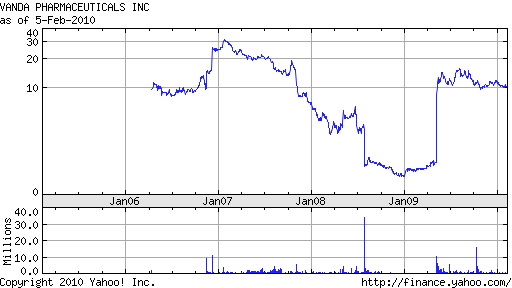
We further acknowledge that one of the presumed exits reflects the spectacular turnaround for specialty pharma shop Vanda), whose schizophrenia drug was first rejected by FDA, then approved, and is now on the market). Vanda stock was on a turbocharged roller-coaster (from $5.12 to $0.50 and all the way back up to $14.64 – all within a single year! see Figure 1) and Domain – if it sold shares – likely wound up reaping a large. But Vanda – if it was lucky, and even that is up for debate – is only one of many good exits (see Table 1).

Figure 1: The Vanda (NASDAQ: VNDA) rollercoaster – note logarithmic scale!

In fact, the repeated and apparently pre-programmed success of one particular business model, layered onto an otherwise productive clinical development and medical device strategy, has made an enormous difference in the firm’s returns.

Therapies only please
Unlike some of its life sciences VC peers, Domain does not do tools or health IT or cleantech. It stays tightly focused on building companies and taking judicious clinical trial risk on promising devices or molecules – or, as in the case of Vanda and other less high-flying portfolio companies like Alimera, on promising management teams. Moving these molecules through relevant clinical milestones – especially Phase 2 trials – is a tried-and-true path to success, provided that they are the right molecules and provided the management teams execute well in moving them forward. Domain has done fine – as well as anyone in the industry – at assuming this type of clinical risk and then working hard to minimize that risk through astute management and good trial design.

But this explanation begs one question: where does Domain get the molecules? The answer: mostly from Japan. As has been well documented, Domain is particularly good at finding viable preclinical or early clinical molecules inside Japanese pharma companies, placing them in US-based companies and ushering these molecules – which are usually the most promising candidates in their Japanese originators’ pipelines – through a value inflection point, at which point they can be sold or partnered with US and European pharma companies at big premiums.


Boston Biotech Watch sat down with Eckard Weber, Domain’s resident expert at shaking loose these valuable assets from Japanese companies and shepherding them to their future homes in mostly San Diego-based companies. Weber, who until 1995 was a former university professor at UC Irvine, makes a humble and buttoned-down impression — this despite his having one of the more impressive track records in VC dealmaking the past five years, And in his initial description of how he and Domain do it, he made it sound positively pedestrian, almost trivial: “If there is unmet need with a big market opportunity, [a product] could be worth a lot of money. If you can take the product through Phase 2 for $30-40M, show safety and efficacy for that, it’s a good investment!”

So go to Japan, pick up molecules that local pharma companies have developed and license the rights for the United States and North America. Weber makes it sound so easy! But it isn’t. After all, these companies traditionally out-licensed ONLY to US and European big pharma. VCs needed not apply – until Domain’s deal with Takeda for the antibiotic Ceftaroline, out-licensing of products developed by Japanese pharma for its home market to western VC-backed companies was exceedingly rare. “What was not accepted as a business model until we came on the scene,” Weber said, “was to license the product to offshore VCs – or any VCs.”

For the first deal, Weber recounts, the major Japanese pharma took a very long time because they’d never done an out-licensing to a US VC or even a venture-backed company. That was a cultural shift that took two years. What made them eventually come around was “relationship building,” Weber said, which “is even more important in Japan than in the United States. You have to spend a great deal of time presenting your case. You need to go repeatedly, discuss, negotiate, make a proposal, listen [to their feedback or counterproposal].”

Weber’s efforts bore fruit and the rest is history – a molecule from Shionogi helped Peninsula create a $245 million exit; then a molecule from Takeda made Peninsula spinout Cerexa a $580 million exit; then a molecule from Astellas that helped Cerexa spinout Calixa (where Weber had become interim CEO) be sold in 2009 for over $400 million to Cubist.

Improving the odds
The string of exits has continued for three reasons, none of them dumb luck:

(1) Weber and Domain got results with their early efforts, undoubtedly earning the drugs’ original Japanese owners much higher returns than in traditional pharma-to-pharma licensing deals;

(2) The early results translated into repeat invitations to visit Japanese pharma companies and look in their cupboards. “Eventually,” after some exits, said Weber, “we became a well-known quantity. [Our prior deals] opened a lot of doors. We established a relationship with most of the Japanese pharma companies because we’ve done deals with them and made them want to do more deals. Now we are approached regularly.”

(3) Domain and its syndicate partners knew what to do with the drugs once it had the rights. Borrowing a model from the medical device world, where management teams are often created around assets identified by investors, Domain drew upon its reservoir of accomplished management teams and consultants – including Weber himself – during diligence, company-building and clinical development. “It’s not just a question of finding the products but also creating value in them,” he said. “We spend extensive time evaluating products and their positioning,” Weber said. “There is a great deal of [time and effort spent] developing a clinical and regulatory strategy,” which he characterized as one of Domain’s big value-adds. “Products can fail because of poorly conceived clinical and regulatory strategies.” It’s not that products never fail in Domain’s hands – sometimes they do – but the firm’s work pre- and post-closing of a deal has managed to improve the odds.

Before the window slammed shut

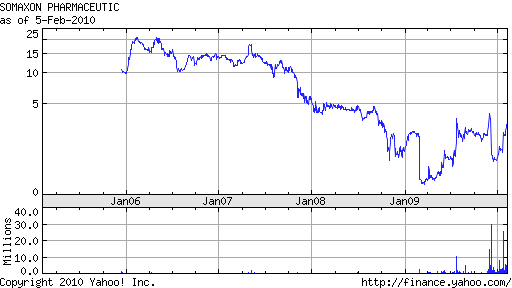
But take the deep dive into Domain’s portfolio further, all the way back to the days when the IPO was still a viable exit, and BBW found a more conventional story. Like many VC firms, Domain was – at least until 2007 – able to shed large chunks of its more speculative investments onto public-markets investors, before the risk of early-stage drug development was taken out. Yes, Domain had several IPO exits in the 2005-2007 time frame. But some of them (Novacea in the prostate cancer space; Northstar Neuroscience in medical devices) did not provide better than modest exits when their shares had to be sold at cost or the companies shut down. In this, Domain’s performance was roughly consistent with the performance of other funds in those years. The chart for Somaxon shows a typical pattern: a strong IPO and post-IPO performance followed by a disappointment in clinical development – in this case in a delay in the approval of an insomnia drug – resulting in a slide in the stock price (see Figure 2).

Figure 2: Somaxon (NASDAQ: SOMX) suffers the wrath of the market

This type of investment – any investment that requires an IPO exit along the way – no longer fits the risk profile of what Domain is doing these days, or many other financial VC firms for that matter. The retail investor is not buying or buying only at a discount, as evidenced by the years-long near-absence of IPOs followed by Ironwood’s haircut. VCs have to expect to remain invested and involved in the companies until they either have been generating years of strong revenues – which is usually too long – or until they get acquired by pharmaceutical companies. And if the exit will be an acquisition anyway, why have the IPO at all?


All of these trends help explain why the 2010 JP Morgan healthcare conference, while it felt much more vigorous than the previous year’s shell-shocked atmosphere, continued to have as its main focus a dialogue that had become prevalent in the 2005-6-7 time frame: pharma-VC discussions. VCs are more dependent on pharma than ever for virtually every phase of their business: exits; deal flow (pharma spin-outs being one of the more “sure-thing” investment vehicles VCs invest in, although most VCs have found these in US and Europe-based pharma and it has been Domain finding them in Japan); reality checks in regard to “what pharma is buying” – what indications, what types of molecules etc.; and fund-raising (pharma companies are often limited partners in VC funds). The days when JP Morgan was a place for VCs to “look at deals” and to kibitz with entrepreneurs seem to be numbered. Many of the VC firms may not be around in a few years to share in the dialogue.

Steady as she goes
Based on the source of many of its most valuable assets, Japanese pharma, Domain can expect to continue its string of successes for years to come. “These [Japan-based pharmaceutical] companies all have R&D. They are replenishing the pipeline,” said Weber. And now, of course, Domain has the inside track.

But for the VC industry as a whole, the outlook is not so promising, at least for the next two or three years. Many VC funds have postponed raising new funds until 2010, which was probably wise given the nasty environment of 2008-2009. But now these funds really need to raise money, and their performance – which if it does not include an Eckard Weber deal or one of the few comparable high-value exits of recent years – will not make it easy.

This rough patch will likely hit Domain too as it searches for the syndication partners it needs to raise $30 million to $40 million per company. It may find itself doing big deals like this with fewer partners who each put in more; optioning rights for other geographies (e.g. Europe) earlier to raise cash for development; or selling the companies to the pharmaceutical industry, painful as it might be, earlier and for less.

Still, Domain’s and Weber’s impressive winning streak stands out against the gloomy backdrop. As long as Weber finds the pursuit of new medications more appealing than golf at Torrey Pines, there is every reason to expect it to continue.

# # #
Disclosure: Domain and the companies mentioned in this piece are not consulting clients of CBT Advisors

Company Location Indication Source of Compounds Acquirer or IPO Year of Acq’n or IPO Price at Acq’n or Value* post-IPO
BiPar SF Bay Oncology In-house Sanofi 2009 ≤$500M
Cabrellis (W) San Diego Oncology Dainippon Sumitomo Pharmion 2006 $94M
Cadence San Diego Acute pain In-licensed IPO 2006 $500M by ‘07
Calixa (W) San Diego Infectious Dis. Astellas Cubist 2009 $403M
Cerexa (W) SF Bay Infectious Dis. Takeda Forest 2006 $580M
Conforma San Diego Oncology In-house Biogen Idec 2006 $250M
Corthera SF Bay Heart failure Connetics Novartis 2009 $620M
GeneOhm San Diego Diagnostics In-house Becton Dickinson 2006 $230M
Intralase Irvine Eye device In-house AMO (Abbott) 2007 $808M
Novacardia (W) San Diego Congestive Heart Failure Kyowa Hakko Kogyo Merck 2007 $350M
Nuvasive San Diego Orthopedics In-house IPO 2004 $500M by ‘07
Orexigen (W) San Diego Obesity In-house drug combination IPO 2007 $400M by ‘08
Peninsula (W) SF Bay Infectious Dis. Shionogi J&J 2005 $245M
SenoRx Irvine Onc. device In-house IPO 2007 $150M by ‘08
Somaxon San Diego Insomnia Reformulation IPO 2005 $300M by ‘06
Volcano San Diego Cardio device In-house IPO 2007 $900M by ‘08
Vanda Rockville, MD Schizophrenia Novartis IPO 2006 $600M by ‘07

Table 1: Domain exits 2005-2009. Eckard Weber deals marked with a “W”.

Leave a comment

Filed under Uncategorized

Networking Your Medication

by Steven Dickman, CEO, CBT Advisors

By far the coolest company I saw at JP Morgan last week was not even presenting at the conference: Proteus Biomedical and its “Digital Pills”. This company probably also had one of the best weeks of any company there: After I met with them on Monday, Proteus on Tuesday (Jan. 12) announced an agreement with Novartis and on Thursday (Jan. 14), this story entitled “Smart Pills” appeared in the Science & Technology section of The Economist.

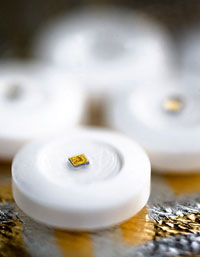
Photo of Proteus Biomedical's digital pills - white pill with tiny chip embedded on top

Digital pills tell all


“Digital Pills” carry standard doses of medicine but they include embedded sensor chips – fully digestible! – that transmit to a receiver placed just outside the body. This allows a “Digital Pill” to communicate via the internet using the patient’s cellphone that the pill has been taken, at what hour, at what dosage and so on. In this YouTube video, Proteus founder-CEO Andrew Thompson drew an analogy between “digitized medicine” and the modern automobile, festooned with embedded sensors and chips. These devices have made cars more reliable – “it means that your car rarely breaks down and if it’s going to break down, you would know about it in advance and be able to go see a mechanic.”

The immediate promise of “Digital Pills” is the ability they could confer to pharmaceutical companies to monitor patient compliance with medical regimens both during clinical trials and also after they are on the market. This might turn failed trials into successful ones e.g. if patients have been forgetful or medicines are less than good-tasting. The data from those patients could simply be dropped from the analysis and drug efficacy could be determined just on those who took the pills – a drug developer’s dream! And it might create a feedback loop between patient, physician and payer that alerts all of them when compliance is the cause of treatment failure rather than a lack of efficacy. Proteus also has a vision of “Digital Pills” taken by infirm or forgetful seniors alerting caregivers about their loved ones’ medication status.

In contrast to the gold-plated technologies developed by many a medical device startup that increase the cost of care, “Digital Pills” can ultimately be very inexpensive. Thompson told the Wall Street Journal in August, 2009, that in high-volume production, the digestible digital transmitter will add less than a penny to the cost of a pill. Venture capital investors consulted by Boston Biotech Watch were a bit skeptical about whether this is a realistic estimate. If true, it could make “Digital Pills” one high-tech invention that could truly be aligned with health care reformers’ goals of smarter, more cost-effective healthcare.

Proteus’ dynamic founder Thompson and his co-founder and company CTO Mark Zdeblick set out in 2001 toward a mind-bending goal: to implant a networked computer into a patient in order to improve medical treatment. In a burst of original thinking, Thompson realized that future medical products – even those as small as pills – would have their usefulness magnified if they were network-enabled. This required several technical breakthroughs. The company had to make sure that the “hardware” was also “wetware” e.g. that its sensor-transmitter chips would not be destroyed by stomach acid; devise a scheme to deliver short-range signals from inside the body to outside; and invent a “smart Band-Aid” that could relay these signals to a nearby handheld device (“medical BlackBerry”), which in turn could relay them to a server.

The company had to come up with a chip built from food or at least materials that already qualified as GRAS [Generally Regarded As Safe]. The proprietary chips they invented, once activated by body fluids, can broadcast a pill-specific signal that says something like “I’m Lipitor, I was synthesized on Thursday, I contain so many milligrams of active material.” Then Proteus came up with sensor-receivers embedded in the “smart Band-Aids” to read these signals (e.g. via Bluetooth) and then transmit them on.

According to the company web site, “Digital Pills” are in clinical trials in one indication area, heart failure. Furthermore, trials have begun of medical devices incorporating embedded technology from Proteus. These trials also are in the area of heart failure.

Part of the magic of Proteus’ story lies in the backgrounds of its founders. CEO Thompson is a venture capitalist with Spring Ridge Ventures who successfully built and sold publicly traded medical device company FemRx to J & J in the 1990s. CTO Zdeblick spent part of his career in optoelectronics (with K2 Optronics) and part of it in creating “electro-fluidic integrated circuits” (with Redwood Microsystems.) He did PhD work in the lab of micro-mechanical systems pioneer Cal Quate at Stanford, where he invented a key part of the atom-manipulating atomic force microscope.

Top-tier VC and private equity investors (see Table 1 for a list) have jumped on Proteus to the tune of a reported $100 million ($32 million in a 2008 Series D financing alone), providing a big cushion of capital to help push the technology to market.

Investor Location
Adams Street Partners Menlo Park, CA
Asset Management Palo Alto, CA
Carlyle Group San Francisco, CA
Essex Woodlands Palo Alto, CA
Fletcher Spaght Boston, MA
Kaiser Permanente Ventures Oakland, CA
Spring Ridge Ventures Menlo Park, CA

Table 1: VC and PE investors in Proteus (data courtesy Proteus web site)

The Novartis deal is significant not just because, as The Economist points out, Novartis is the largest pharmaceutical company to form a partnership with Proteus, but also because it portends great future value in the company’s technology. To wit: for the $24 million in announced deal value, Novartis appears from the press release to receive worldwide commercial exclusivity to only one indication area, namely transplantation medicine, along with “certain option rights in cardiovascular and oncology product applications, as well as rights to use Proteus technologies in its clinical development of pharmaceutical products.” This last clause might be troublesome to Proteus in the event that it imposes limitations on the company’s ability to move forward simultaneously with clinical trials in many indication areas; on the other hand, Novartis is presumably paying for applied R&D that Proteus can later apply in collaborations in other therapeutic areas.

Other “networked medicine” companies mentioned by The Economist (Boston-based privately held MicroCHIPS to the Netherlands-based multinational Philips are developing implantable devices for precise drug delivery and monitoring. There are yet others with transmitting ingestibles, such as Given Imaging, with its FDA-approved, wireless PillCam that views the GI tract from inside; and Remon Medical, acquired by Boston Scientific in 2007, which has worked on heart monitors for many years.

But Proteus seems poised to be first-to-market with a truly transformative technology of low-added-cost, digitally enabled medications: Cool pills filled with promise.

# # #

Disclosure: Proteus is not a client of CBT Advisors.

1 Comment

Filed under Uncategorized

Medicine Gets Personal – But How Do VCs Make Money?

Boston Biotech Watch has been keeping a close eye on three big trends and their impact on VC deal-making: real-world applications of genetic data, personalized medicine and health care reform. Can startups use genetic data to drive down drug costs? To what extent will genetics become the high-value gatekeeper for future pharma industry success? And will VCs be able to exit from companies in this sector quickly enough to reap outsized returns?

Judging from the VC activity in the space, some venture investors apparently think that strong exits are likely. What a radical departure! Right up until the early years of this decade, “diagnostics” was a dirty word in biotech venture circles. Most diagnostics deals smelled bad to most VCs whether the deals were sample-prep focused (like Cytyc, which was a massive success) or cancer biomarker repositories like DiaDexus, a high-profile joint venture between SmithKline Beecham and Incyte that raised $102.5 million in 2000, is still privately held and, despite one commercial test for coronary disease that finally achieved Medicare reimbursement in 2007, does not appear to have provided much – if any – of a VC return.

It has long been a VC maxim that “you could wait forever for the US health care system to move in a more rational direction” and that therefore VCs had to do deals that were consistent with the existing models no matter how broken these models were. Cynicism was rewarded, idealism punished.

Yet suddenly the United States appears to be on the verge of the largest health care reform (HCR) in its history and, perhaps not surprisingly, what feels like dozens of deals related to diagnostics, genetics and HCR have begun to materialize. The deals reflect many different ways of looking at the personalized medicine opportunity (see Tables 1 and 2).

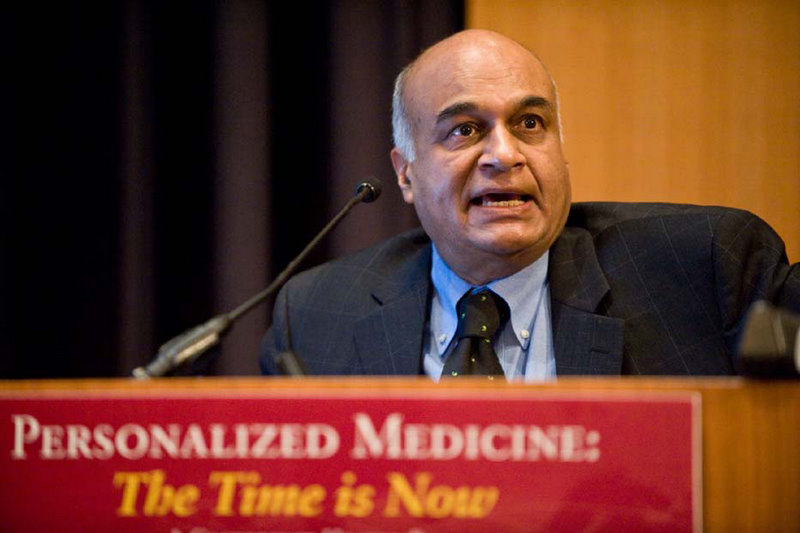
Boston Biotech Watch recently attended the sixth “Personalized Medicine Conference” at Harvard and did some additional reading and research. This, along with proprietary information from CBT Advisors serves as basis for this snapshot. Our goals here are threefold:

(1) To explain – with examples – what sorts of companies are getting funded;
(2) To disclose the rationale driving the deals for some of the key investors in the space; and
(3) To hold up one recent high-profile deal, Generation Health, as the sort that other investors were clamoring (mostly without success) to get into.

Partners HealthCare Center for Personalized Medicine and Genomics logo

Just judging by the attendance at this high-quality conference, put on annually by the Partners HealthCare Center for Personalized Genetic Medicine (PCPGM) as well as Harvard Business School (HBS), the field is gaining momentum. More than 600 participants registered, compared to just 237 at the inaugural conference in 2005.

Our breakdown of VC deals in the personalized medicine space follows in Tables 1 and 2 below. Why are VCs convinced – despite such a negative history for investing in diagnostics – that personalized medicine is where the big money will be? Try “tenfold growth,” a squishy yet thought-provoking projection included in the December, 2009, report entitled “The New Science of Personalized Medicine” by PriceWaterhouseCoopers (PWC). Even allowing for the typical hyperbole associated with such reports, there is apparently more money than ever to be made from genetics, genomics, diagnostics, theranostics and related technologies.

Business model Company Market status Indication Technology VCs in Amount raised Exit
Content – algorithm Genomic Health Commercial Breast & other cancers Biomarkers + algorithm Kleiner Perkins, Versant & others $103M total IPO in 2005
Box Handylab Commercial Hospital infections Rapid DNA assay Arboretum, Ardesta, Dow Ventures, DuPont Ventures, EDF, Lurie, SBV, Wolverine $46M total Trade sale to Becton Dickin-son 2009 for $275 million
Technology platform (+content) GeneOhm Commercial Staph & other ID Rapid DNA assay CB Health, Domain, CHL, Kaiser Permanente, QuestMark,
Posco
Raised $26M Series C in Jan. ’05 Trade sale to Becton Dickin-son 2006 for $255 million

Table 1: Diagnostics and genetic testing companies from which top-tier VCs have exited

San Francisco-based venture capitalist Dion Madsen, a Managing Director at Physic Ventures, affirmed the newfound VC enthusiasm for personalized medicine when Boston Biotech Watch paid him a December visit. Physic is one of many VCs looking hard at the diagnostics space and one of the few to have diagnostics as a mandate. The firm’s tagline is “Investing in Keeping People Healthy.” So Madsen is an especially apt guide to the promise and the pitfalls of the space.

Ahead of a shift to test-prompted care
VC dealmakers usually like to tell themselves that they are just ahead of a paradigm shift and this field is no exception. The idea that genomic information is useful for drug discovery and clinical testing is starting to “percolate” through pharma, Madsen said, and is already leading to better drug design. But the use of genetic information related to the individual patient, for example in the form of genetic-based diagnostic tests, he said, is “only just beginning.”

Behind the big numbers is a firm conviction that payers in the US healthcare system (insurers and government programs like Medicare) will actually come to rely upon and reward molecular and scientific information instead of simply succumbing to ever more expensive marketing campaigns by pharmaceutical, biotech and medical device companies.

Comparative Effectiveness compares treatments

If I take them all, will they cancel each other out?

There is very little in the current package of health reform bills being negotiated in both houses of the US Congress that deals with molecular testing. The closest that HCR comes is in mandating a relatively modest $1 billion for so-called “Comparative Effectiveness” (CE) funding which is meant to determine which therapeutic regimes – be they surgeries, implantable devices, dietary regimes or drugs – are actually working in contrast to the traditional approach of casting each and every clinical trial in the form of a validation or rejection of a single new medication or device. Still, for Madsen, the CE trend is a friend. “Comparative Effectiveness is already a reality,” Madsen said. “That card has been turned.”

Physic has developed four simple criteria – they fit on one side of a sheet of notebook paper – that characterized “doable deals” in the personalized medicine space. For Physic, an investment must be:

1. Actionable – it informs a decision around treatment, preventive action or behavior

2. Cost-effective

3. Based on validated science; and

4. Clinically meaningful.

To pick a widely publicized group of companies that, in our view, fail on “actionability,” consider the consumer genomics companies 23andme, Navigenics and Knome. These companies have won some high-profile backers – 23andme, for example, has Google as a key investor. “What 23and me and DNA Direct are doing is really interesting,” Madsen said, “[it is] just ahead of its time.” These services – which have been dubbed “recreational genomics” – are not actionable enough, he said, for them to be good VC investments. Madsen: “The utility of learning every base pair is very low.”

Genomic Health: A Pioneer, Yes, But a Replicable One?

Historically, only a handful of VC-backed diagnostics companies have managed to fulfill Physic’s criteria and make their investors money. Genomic Health (NASDAQ: GHDX) is perhaps the most prominent of these. The company raced from its first institutional funding to Medicare reimbursement in just five years and pulled off a successful IPO in 2005. In the meantime, its single marketed test – an algorithm-based test
OncotypeDX

called OncotypeDX for guiding breast cancer therapy – now earns more than $140 million in annual revenue. It helps physicians choose treatments that are on the extreme end of the cost spectrum – a $3,500 test that can allow patients – and payers – to avoid bills of $30,000 or more for chemotherapy. That value proposition – along with Genomic Health’s compelling retrospective data – convinced Medicare and other insurers to agree to reimburse the test beginning in January, 2006.

But OncotypeDX is an imperfect example in several ways: First and foremost, not many therapies cost $30,000, so very few tests will be reimbursed at $3,000 or more. Second, FDA has signaled that tests based on algorithms like OncotypeDX will require a greater degree of validation in the future. (How much tougher the regulatory regime will be is likely to become clear in mid-2010, when FDA issues its long-awaited guidelines for so-called “IVD MIA” tests – in vitro diagnostic multivariate assays.) And finally, the return on the $103 million invested in Genomic Health before the IPO was probably more like 3x than the usual 6-8x that VCs consider a “home run.”

Brook Byers

Brook Byers, Kleiner Perkins’ diagnostics VC visionary (Image Justin A. Knight)

Genomic Health was a Kleiner Perkins deal and the other two “DX” companies in which Kleiner invested, CardioDx (founded 2004) and XDx (2000), have apparently not made it to big revenues or VC exits nearly so quickly. Indeed, both are still privately held. One East Coast VC to whom Boston Biotech Watch spoke said, “Yes, CardioDx has found a potentially relevant market opportunity, but they had to do a 4,000-patient study.” CardioDx is reported to be raising money at a lofty valuation.

Business model Company Marketing Status Indication(s) Technology VCs in Most recent financing
Content On-Q-Ity R&D Monitoring of cancer progression via DNA repair biomarkers Biomarkers, microfluidics Mohr Davidow, Bessemer, Physic, Northgate, Atlas $26M Series A Dec. 09
Content Artemis R&D Prenatal diagnostics Microfluidics Mohr Davidow, Alloy, Sutter Hill $9M in Oct. ’09
Technology platform (+content) T2 Biosystems R&D Not announced POCD – nanoparticle MR assay Flagship, Polaris, Flybridge, Partners Healthcare and In-Q-Tel $10.8M Series B Aug. ’08
Long-range disease prediction & risk assessment Tethys Bioscience R&D Diabetes Blood test; panel of biomarkers Aeris, Kleiner Perkins, Mohr Davidow, Intel Capital Raised $25M Series D Nov. 09
“Genetics Benefit Manager” Generation Health One corp. partnership announced All genetic tests esp. in high-value treatment areas Evaluate tests for payers; bridge payers, providers, patients Highland Capital $5M Series A Nov. 08, Deal with CVS-Caremark Nov. ’09

Table 2: Private diagnostics and genetic testing companies in which VCs have invested


Table 2: Private diagnostics and genetic testing companies in which VCs have invested

Among the still-private companies identified in the CBT Advisors screen (see Table 2 for examples), several are looking for ways to capture content and use it to provide immediate value to patients and payers. We consider these the “content” companies. Genomic Health, CardioDx and XDx all fall into this category. These companies run the gamut of indications, with existing plays in cancer (many including Genomic Health, Genomic Vision, Precision Therapeutics, Claros, MTM Labs and On-Q-Ity, which will be discussed further along in this post); cardiovascular disease (CardioDx, XDx), rheumatology and inflammation (Crescendo), diabetes (Tethys) and the ever-popular (and close-to-market) infectious disease, particularly point-of-care tests for nosocomial infections (Opgen, Progentech, Curetis, AdvanDx).

Another group has developed a proprietary technology that either grabs the content (e.g. the microfluidics of Artemis Health, a prenatal diagnostics company) or that prepares it for analysis (Handylab, acquired in October by Becton Dickinson for a reported $275 million). Some technologies do both (T2 Biosystems, a Boston-area Polaris investment based on technology from the prolific Robert Langer lab at MIT). We consider these to be “box” or “sample prep” companies although some of course are also offering unique content.

Recently Physic Ventures acted on its strategy and put its money into a Boston-area diagnostics startup, On-Q-Ity, that meets all four criteria. Like Genomic Health, On-Q-Ity (from Oncology + Quality + Clarity) will provide actionable information in the form of decision support to physicians treating cancer patients. . The validated science consists of (1) biomarkers found in tumor cells that determine their level of progression and therefore the advisability of treating patients at a particular moment; and (2) assays that determine susceptibility to specific chemotherapeutic agents based on mutations in the genes involved in DNA repair. As with the “box+content” companies, On-Q-Ity not only has the rights to these biomarkers and mutation assays but also a proprietary microfluidics technology that is able in principle to pluck circulating tumor cells out of the bloodstream even when these cells are quite rare. The company then applies the two technologies, yielding an unprecedented snapshot of both “treatment response and tumor cell composition … at a molecular level,” Madsen said. Both cost-effectiveness and clinical validity will have to be determined by clinical trial, presumably done prospectively.

On-Q-Ity’s management is something of a dream team. The CEO, Mara Aspinall, was the long-time president of Genzyme’s genetic testing division, which under her leadership developed and commercialized many new tests. Aspinall, who is also on the board of one of Massachusetts’ largest health insurers (Blue Cross Blue Shield of Massachusetts) has about the best track record imaginable for a genetic testing company CEO. In her spare time, she serves as a lecturer in health care policy at Harvard Business School.

In our view, On-Q-Ity scores highest on the first criterion, actionability. As we will address again when we get to Generation Health, oncology diagnostics are already high-value due to the high cost of treatment. In an article on personalized medicine published in 2007 by Aspinall and her HBS colleague Richard Hamermesh, she identified five cancer indications (pancreatic, liver and so on) in which patients typically have low one-year survival and therefore “do not have time to spare” for traditional, “trial-and-error” medicine. If On-Q-Ity can use biomarkers to inform physicians when to treat aggressively or even which chemotherapeutic agents to deploy, then its tests will undoubtedly be reimbursed at or perhaps even above the levels seen for OncotypeDX.

The wild card for On-Q-Ity is the level of validation that will be demanded by FDA and payers. Madsen said that even in the honeymoon phase following the investment, “We are still struggling with, do we need a prospective trial? If so, how do we design it?” These demanding constituencies – FDA, payers, oncologists, cancer patients – will, it seems to us, insist on such a trial. As Madsen put it, “How do you tell an oncologist not to treat a patient with the standard of care? This is our challenge.”

Even when a company meets all of Physic’s criteria, the road may still be uncomfortably long. After all, these companies – like CardioDx and its 4,000-patient study, not to mention DiaDexus and its single approved test – are all attempting to achieve validation under the “old” criteria. How soon can HCR change that?

Generation Health: “The Consumer Reports of Genetics”
These struggles are what make Generation Health stand out. GenHealth

Generation Health logo
seemed to be the darling of the Personalized Medicine Conference and VC firms have been “pounding down the doors” to get in, according to a couple of top-tier VCs (the only announced VC investor is Highland, which made a first institutional investment in the company in 2008, though rumor has it that a second Boston-area fund has joined the syndicate).

GenHealth has the potential to be a high-flyer because it stands in a far different corner of the health care system – next to the payer. GenHealth intends to “help employers and other health care payors manage medical costs and improve their employees’ and members’ health by assuring optimal utilization of genetic testing.” To do this, according to its web site, it will perform three tasks:

• Establish a rational basis for covering or excluding genetic tests based on clinical validity and utility;
• Negotiate discounted rates for tests; and
• Identify patients who would benefit from testing through analysis of medical and pharmacy claims.

These activities would make GenHealth a “filter” for insurance companies and employers. Madsen dubbed them “the “Consumer Reports of Genetics” – a company perceived to be a fair arbiter of the value of genetic tests. “We’ve seen other companies such as DNA Direct do this for HMOs and payers including some we know very well,” Madsen said. “But no other company can do it to the extent that Generation Health would. GenHealth will have better decision-making data,” presumably from aggregating anonymized data across insurers or analyzing claims. In November, 2009, GenHealth signed its first public collaboration with CVS Caremark, a pharmacy benefit manager that already has a pharmacogenomics program. (No surprise about the identity of the first deal partner – CVS Caremark’s Chief Medical Officer Troyen Brennan sits on GenHealth’s board).

What gets VCs excited about GenHealth is its ability not only to take advantage of HCR but to actually participate in it by driving down health care costs and increasing use of gatekeeping genetic tests. GenHealth styles itself a “Genetic Benefit Manager [GBM],” analogous to the Pharmacy Benefit Managers (“PBMs”) Medco and the like – a company where GenHealth founding CEO Per Lofberg served as chairman from 1993 to 2000.

Raju Kucherlapati, Harvard professor and Personalized Medicine Conference founder

Raju Kucherlapati, Harvard professor and Personalized Medicine Conference founder (Image Justin A. Knight)


The discussion about GenHealth’s business stimulated one of the more interesting exchanges of the conference. PCPGM founder and conference organizer Raju Kucherlapati asked CVS Caremark’s Brennan exactly how many tests CVS Caremark is already reimbursing for or including in its decision-making process about providing pharmacy benefits. Brennen did not answer the question, but he did say that the first inroads are in “high-cost disease.” If a treatment costs $100,000 a patient, for example, and a test costs $1,000, even one patient being safely spared the treatment more than pays for the cost of the test for many patients.

“Right now [our testing] is limited to a series of cancer diagnostics,” said Brennen. “Like most PBMs, we operate a specialty pharmacy with high-cost medications and that is where we do the most genetic testing,” he added. In the non-specialty areas, there is not yet “reasonable evidence” for incorporating it into practice, although testing is more prevalent there than it was five years ago. However, the amount spent on testing is expected to grow quickly, he said, because “at Caremark, we will be leaders in cost reduction. That is why it is important for us to incorporate genetic tests. We want to stay away from provider-driven modes,” that is, to pay for care that matters to the patient.

(At the same moment as this edition of Boston Biotech Watch went up on the morning of December 21, 2009, CVS Caremark announced that it was taking “an increased ownership interest” in Generation Health. The press release quoted CVS Caremark Chairman Tom Ryan as saying that, with the additional investment, CVS Caremark is “accelerating our commitment to personalized medicine and making genomic benefit management an integral part of our PBM offering.” Indeed, in the same announcement, CVS Caremark named GenHealth CEO Per Lofberg as the President of the company’s PBM business; GenHealth co-founder will become its new CEO. Although the release said that GenHealth will continue to operate as an independent business, “offering a full range of GBM services to health care payors,” it was left unclear how free GenHealth would be to do strategic deals with other PBMs. Terms were not disclosed.)

Meanwhile, new genetic tests keep pouring in to payers at a rate of what feels like “100 a week,” said Madsen. Each new test faces the traditional gauntlet of long-term, prospective studies before it can start making investors money. So not only are new tests needed but also, as Aspinall and Hamermesh described in their 2007 article, better regulatory and reimbursement regimes. Until these key pieces are in place, most VC deals in the space will be vulnerable to the cash and momentum drain of drawn-out prospective testing.

# # #

Disclaimer: CBT Advisors has worked with Precision Therapeutics and Genomic Vision. When he was a venture capitalist, Steve Dickman was part of a team that invested in Precision Therapeutics.

4 Comments

Filed under Uncategorized

What Roche is shopping for – and why it’s shopping in Israel

By Steven Dickman, CEO, CBT Advisors

Roche’s Basel-based Global Head, External Research and Technology, Dr. Eric de la Fortelle, stopped by the Swiss consulate in Cambridge last Wednesday after delivering a talk at the R&D Leaders conference in Boston earlier in the week. The ambitious topic was “radical innovation in pharma R&D” and the stimulating talk delivered on its promise.

Genentech

Now that Roche owns all of Genentech, where will it get the next growth spurt?

What’s on Roche’s shopping list? The top three items, in this order, are:

1). Cell therapies. de la Fortelle called cell therapies “personalized medicine at the molecular level,” because cells “find an environment, they home in.” Yes, he said, you can design “pills with sensors” as some device companies had done, but “cells have been evolved to do that.” Roche, it sounds, is already beginning to brave the choppy waters of cell therapy regulation and commercialization in Europe, a topic tackled by CBT Advisors in a recent project.

2). Harnessing RNA biology. Roche recently extended its 2007 alliance with Alnylam Pharmaceuticals, to which it had already sent an upfront payment of $331 million. But “siRNA is just the doorway,” said de la Fortelle (an expensive doorway indeed, we’d observe). There will be other ways to harness all the regulatory aspects of RNA biology, and Roche will apparently pay quite a bit for access to them. One imagines that Alnylam’s subsidiary Regulus Therapeutics and other microRNA-focused companies have been pitching hard in Basel.

3). Next-generation biologics. It was interesting, said de la Fortelle, to see the recent craze for novel scaffolds. A number of companies sold for amounts in the $500 million range, he observed “Was it a bubble?” he asked rhetorically. “These technologies have yet to be connected to benefits to patients, e.g. adnectins and the others.” (Adnexus sold for $505 million in cash and milestones in September, 2007). Meanwhile, something more than “0.3% bioavailability in the central nervous system (CNS) would be nice for a drug that acts like a monoclonal antibody,” said de la Fortelle. Another nice-to-have would be monoclonal-like molecules that act in the cytoplasm, for example to disrupt kinase-kinase interactions. “Maybe it will take twenty years to develop them but we really need them,” he concluded.

Will Roche do deals with biotech or academia in any or all of these areas? Who knows? Even de la Fortelle refreshingly admitted that as a “professional disrupter” within Roche, he is used to having only one bold idea adopted every year or two and that indeed, this counts as success.

de la Fortelle described Roche’s approach to venture capital and biotech as proactive not reactive. “We will come to you. We do not fish in the ocean.” In a private conversation following the formal session, he described to Boston Biotech Watch the deal that for him epitomizes success: Roche’s April, 2007, acquisition of Therapeutic Human Polyclonals Inc. for $56.5 million.

All the polyclonal antibodies were promptly shelved and a rabbit monoclonal antibody platform was brought front and center. Molecules from this platform will soon enter the clinic with the opportunity to do an end-run on humanized antibody patents. That, in de la Fortelle’s view, makes this deal a triumph.

So where is Roche fishing now? Roche has placed a small but important bet on an Israeli VC fund with links to Teva Pharmaceuticals. Roche quietly announced on June 8 of this year that it would enter into a “strategic cooperation” with Pontifax Ventures (an Israeli VC “with a name like the Pope” sounded intriguing, de la Fortelle said). “They were heavy hitters, extremely driven, competent and friendly. We gave Pontifax a confidential list of our key areas of interest. Their job is to mine Israeli innovation.” When I asked de la Fortelle for the difference between the list Roche gave to Pontifax and the three items on the wish list above, he said there is no difference in the themes, just in the degree of detail.

Rehovot

Is Roche management learning Hebrew?

The decision to seek new technologies in Israel is interesting. Israel is a country where, in our experience, there are few fully built-out companies but many brilliant inventors. The majority of Israeli’s biotech innovation landscape consists of tiny teams, single entrepreneurs or lone academics. By relying on an Israeli VC for the leverage brought by knowledge of the local culture, Roche would seem to be hoping to duplicate its success with Therapeutic Human Polyclonals by finding (or commissioning the creation of) intellectual property on the cheap. The approach reminds us in some ways of the path taken by “patent trolls” currently buying intellectual property (IP) or setting up teams of inventors to create IP thickets in the high-tech world (for a well-written explication of this phenomenon, see Malcolm Gladwell’s 2008 New Yorker piece “In the Air”.)

A key difference between Roche and these IP shops is that Roche intends to create actual products out of the IP it finds or commissions in Israel and elsewhere. The IP shops – most visible so far in their high-profile lawsuits against Intel, RIM and other companies – are “non-practicing entities” that mostly want to extract tolls from those who are attempting to commercialize new products. (For example, see “Blackberry held hostage: RIM’s patent trials (and tribulations) show how ‘patent trolls’ can shut companies down: analysis” linked here.)

A key similarity is the goal-oriented pursuit of solutions to known problems and challenges via inventors paid as such rather than by acquiring companies built by VCs, of which Genentech is perhaps the paradigmatic example in biotech.

So if anyone is wondering where Roche thinks it will find the next Genentech or at least the next set of novel approaches, the answer seems clear: Herzliya, Rehovot and Jerusalem.

# # #

1 Comment

Filed under Uncategorized

Clouds Over the VC sky

Clouds Over the VC sky

by Steven Dickman, CEO, CBT Advisors

Last week I attended a one-on-one podium discussion put on by Xconomy featuring two Boston gods of private equity and venture capital, Peter Brooke, founder of TA Associates and Advent International, and Terry McGuire, Managing Partner at Polaris, who is also currently Chairman of the US National Venture Capital Association.

Peter Brooke, founder of TA Associates & Advent International. Advent’s global buyout fund (GPE VI) raised $10.4B in April, 2008.

Peter Brooke, founder of TA Associates & Advent International. Advent’s global buyout fund (GPE VI) raised $10.4B in April, 2008.

Though generally upbeat in tone, the event did not dispel the clouds that have rolled in over the world of VC. Just as Wall Street bankers are facing salary caps and nagging questions from the government, VCs and private equity heads like McGuire and Brooke are struggling with changes in the ecosystem that hit them in the place it hurts the most – their ability to raise funds.

The discussion did not dwell on the challenges of their own next fund-raisings. Both McGuire and Brooke have proven to be adept at raising capital over many fund generations and through very tough times. “This is my fifth economic downturn,” quipped McGuire.

Indeed, large and established fund groups are having some success raising new funds in 2009. For example, Domain closed on $500 million in August (down from an original target of $700 million announced in January but still a strong and quick raise) and PEHub reported last week that New Enterprise Associates (NEA), one of the world’s oldest and largest PE and VC partnerships, had submitted an SEC filing announcing that it had raised $2.45 billion of its $2.5 billion thirteenth fund with $300 million coming in since its previous closing in April, according to the Wall Street Journal.

But McGuire and Brooke touched ominously on the potential re-allocation of limited partners’ funds away from PE and VC. The mood among LPs lately, Brooke said, has been sullen, even mutinous. Therefore, Brooke said, GPs everywhere are asking themselves, ‘Will limited partners find new types of investment?’ And ‘If the LPs’ VC allocations go lower, where will we find our capital?’

Brooke mentioned the report in Forbes that Harvard has $11 billion in unfunded commitments to VC and PE funds. Brooke linked that figure with the earlier data point that Harvard’s endowment has lost $11 billion of value. “If that faucet is shut off, it will have a real impact.” (Read Forbes’ initial coverage of the crisis in university endowments here.) Detailed numbers follow in Addendum 1 below.

Many VC GPs would agree that too much money was pumped into the system in the 2003-2007 time frame. The tail end of that period was extreme by any estimation – too much capital chasing too few deals.

But driven by forces arising from the wider capital & credit markets, the pendulum seems to be swinging back to the other side. The amount of VC raised in 2009, McGuire said, will be less than the amount raised in 2004. This sets up VCs and entrepreneurs for a “new normal” that, while capital efficient, may prove challenging in the short run.

Longer-term, Brooke and McGuire were optimistic. “There is no question that the industry will continue,” McGuire said. “There is no question any more that the system works.” The basis for good VC investments, McGuire said, is seeing a path to solving real-world problems. The sun will doubtless come out again before long for VC since, as McGuire put it, “There are problems that the world and the economy face that have the makings of great investments.”

Addendum 1: The numbers.

Between 1999 and 2008, the size of Harvard’s endowment increased from $14.4 billion to $36.9 billion. It then fell $11.1 billion to $25.8 billion by June 30 of this year. Stanford, whose endowment is down from $17.2 billion in 2008 to $12.6 billion this year, has $6.1 billion of unfunded commitments and told Forbes earlier this month that it was putting $1 billion of its private equity assets up for sale. The issue, according to this August, 2009, Vanity Fair piece, is that there may not be buyers for these positions at anything close to the sellers’ asking price. The stalemate further increases the pressure on LPs’ liquidity.

Addendum 2: Harvard’s dilemma

Here’s a telling excerpt from the VF piece, written by Nina Munk:

>>A money manager I spoke to described his meeting late last year with Jane Mendillo, who in July 2008 became president and chief executive officer of Harvard Management Company. Knowing that Mendillo was trying to unload assets, he offered to buy back Harvard’s sizable stake in his private fund. As he recalls, the surreal dialogue went something like this:

He: “Hey, look, I’ll buy it back from you. I’ll buy my interest back.”

She: “Great.”

He: “Here, I think it’s worth—you know, today the [book] value is a dollar, so I’ll pay you 50 cents.”

She: “Then why would I sell it?”

He: “Well, why are you? I don’t know. You’re the one who wants to sell, not me. If you guys want to sell, I’m happy to rip your lungs out. If you are desperate, I’m a buyer.”

She: “Well, we’re not desperate.”<<

Maybe they are now.

# # #

1 Comment

Filed under Uncategorized

Great week for Spiegelmers, other nucleic acid drugs points to brighter future

Great week for Spiegelmers, other nucleic acid drugs points to brighter future

by Steven Dickman, CEO, CBT Advisors

Spiegelmers, the new drug class consisting of mirror-image aptamers created by Germany’s NOXXON Pharma, achieved an important clinical milestone this week. The next day, the lead antisense product of Prosensa garnered one of the largest recent pharma-biotech deals (potential total value: $680 million) from GSK. Taken together, these announcements provide validation not only for Spiegelmers and antisense drugs but also for nucleic-acid-based drugs in general.

It is my belief that nucleic acids, especially aptamers and RNAi but also some other categories, hold huge promise for drug development, a belief that has been validated by pharma interest in some areas (think RNAi) more than in others (gene therapy). What is still missing are late-stage clinical successes and sales: the only two nucleic-acid-based therapies to make it to the market, Isis’ Vitravene™ for AIDS-related eye disease and Eyetech’s Macugen™ for wet AMD (partnered with Pfizer then sold along with the parent company to OSI Pharmaceuticals), have had at best limited marketing success.

According to a company press release from Monday 12 October, NOXXON’s Spiegelmers were safe, well tolerated and had good PK and mechanism-related effects in the Phase 1 trial of the company’s chemokine inhibitor NOX-E36. The trial was carried out earlier this year in 72 healthy UK volunteers. This bodes well, of course, for the company, and for the Spiegelmers product class, for which this was the first clinical trial. Indeed, any lingering concerns about immunogenicity caused by the non-physiological nature of Spiegelmers (see Fig. 1) were allayed in this trial. In terms of safety, the molecules came through with flying colors.

Fig. 1: Through the looking glass – twice. Spiegelmer precursors are synthesized against a mirror-image version of their protein target; the actual spiegelmers are mirror-reversed versions (created from L-RNA nucleotides) of the best binders (Image courtesy Medgadget.com)

Fig. 1: Through the looking glass – twice. Spiegelmer precursors are synthesized against a mirror-image version of their protein target; the actual spiegelmers are mirror-reversed versions (created from L-RNA nucleotides) of the best binders (Image courtesy Medgadget.com)

In the CBT Advisors database, we’ve listed eight broad categories of nucleic-acid-based therapeutics besides gene therapy (see Table 1 below for an excerpt) as well as the most advanced entrants in each category. After a boom in the early-to-mid 1990s, at a time when Gilead Sciences was raising money as an antisense company, this diverse group has fallen on harder times. RNAi’s progress has been slowed by delivery challenges. Antisense is also moving more slowly through clinical development than optimists had expected. Macugen, launched in 2005, sold well only until two antibodies from Genentech, Lucentis and then Avastin, quickly took over the wet AMD market. Generally, aptamers and other nucleic-acid-based drugs have not yet fulfilled their initial promise.

This could change soon, though, based on three factors: these drug classes’ ability to hit targets inaccessible to conventional chemical approaches; their quick cycle times during drug discovery based upon the use of techniques that mimic natural selection; and rapidly improving delivery modalities. One brief example of each area:

Hitting new targets

NOXXON’s Spiegelmer drug E36 targets MCP-1, a chemokine (short for monocyte chemoattractant protein-1) that docks on the CCR-2 receptor on cells in many tissues. Almost all other molecules directed toward this pathway that are in clinical or even preclinical studies target not MCP-1 but rather its receptor CCR-2. The advantages of targeting MCP-1 itself remain to be proven in efficacy studies but they could be significant: greater potency, better pharmacodynamics and faster response time are all strong possibilities. Plus, in contrast to antibodies, Spiegelmers are chemical entities that do not require biologics production facilities. Data from this first-ever clinical trial of Spiegelmers showed dose-linear pharmacokinetics and a dose-dependent decrease in peripheral blood monocytes, consistent with the mode of action of NOX-E36 – neutralization of MCP-1. And of course, approaches like Spiegelmers that target the signal MCP-1 could also be used to complement existing approaches targeting the receptor.

Quick cycle times

Like its fellow aptamer company Archemix, NOXXON, a Berlin-based, VC-backed private company holds a license to SELEX (Systematic Evolution of Ligands by EXponential Enrichment), a patented method for generating potent aptamer binders. These companies have reduced to practice the ability to quickly generate aptamers to almost any target. When the targets are circulating proteins, such as MCP-1, there is no need for further chemistry or conjugation to improve delivery.

Delivery improvements

For those targets that are intracellular in nature or otherwise hard to reach, delivery methods are continually improving. For example, in the September, 2009, issue of Nature Biotechnology, there is an exciting paper by Kortylewski et al. reporting successful targeting of tumor cells using an siRNA covalently linked to oligonucleotide agonists for TLR-9 (toll-like receptor 9). These agonists are similar to the CpGs currently in Phase 3 trials of a novel hepatitis B vaccine (Heplisav™) being conducted by Dynavax. The Kortylewski group, led by Hua Yu at the City of Hope Medical Center, achieved potent antitumor immune responses in mice bearing both mouse tumors and human tumors. These results build on earlier findings using antibody-mediated delivery and aptamer-siRNA chimeras. Meantime, most nucleic acid therapeutics companies are pursuing multiple avenues to achieve intraorgan and intracellular delivery of their molecules. To say delivery is a top priority, especially for RNAi companies, would be an understatement.

Meantime, partnering activity continues apace. This week (Tues. Oct. 13) Prosensa, a Netherlands-based, VC-backed private company with an antisense-like molecule to treat Duchenne muscular dystrophy (DMD), signed a deal with GSK for $25 million up front and $655 million in milestones, plus “high double-digit royalties,” according to the GSK press release. The release goes on, “PRO051, the first molecule with this mechanism of action, acts by skipping exon 51 of the dystrophin gene. Mutations in the dystrophin gene result in the absence of normal dystrophin protein, which is necessary for proper muscle cell function.”

Other approaches to treat DMD (for instance gene therapy) have failed, which helps explain why Prosensa’s early data helped the company land such a lucrative partnership. NOXXON already has deals with Pfizer, Roche and Lilly. Many of the other nucleic acid companies in Table 1, most notably Alnylam, have also struck high-value deals with pharma.

In the early days of RNA- and DNA-based therapeutics, company values climbed a “wall of worry” amid speculation that such products would never work. Even the  early clinical success of Macugen and the 2006 acquisition of RNAi drug development company Sirna Therapeutics by Merck & Co. for $1.1 billion did not do much to change the prevalent skepticism. In the meantime, several nucleic-acid-based therapeutics companies trade at healthy valuations and the previous blanket rejection among some skeptics has shifted to a more nuanced analysis. The jury is still out on these advances but the chance of long-term value creation just went up.

# # #

Disclosure: NOXXON has been a consulting client of CBT Advisors. Steve Dickman invested in Sirna Therapeutics when he was a venture capitalist. CBT Advisors has worked for four other companies in the nucleic-acid-based therapeutics field including Alnylam Pharmaceuticals and Sirna Therapeutics.

Table 1: Nucleic-acid based drugs in development (selected). Data courtesy CBT Advisors

Nucleic acid based drug status October 2009

Drug class

Companies

Farthest advanced

Indication(s)

Antisense Isis Market CMV in eye disease
Isis/Genzyme Phase 3 Hypercholesterolemia
Phase 2 Type 2 diabetes
Isis/Oncogenex Phase 2 Mult. cancers
Isis/Atlantic Phase 2 Ulc. colitis/pouchitis
Isis/Teva Phase 2 Multiple sclerosis
Prosensa Preclinical DMD
Aptamers Archemix Phase 2b Thrombotic diseases
Archemix Phase 2 Refractory AML
Archemix/Antisoma Phase 2 Renal Cell Carcinoma
Archemix/Regado Phase 2 Perc. Card. Intervention
Archemix/Regado Phase 3 CABG
Eyetech Market AMD
CpG oligos & TLR agonists/ antagonists Coley Pharma Phase3 (terminated) Hepatitis B (vaccine) adjuvant; oncology adjuvant
Dynavax Phase 3 Hepatitis B (vaccine)
Idera Phase 2 Renal Cell Carcinoma
DNA decoys Avontec Phase 2a Asthma
Avontec Phase 2a Psoriasis
DNA vaccines Inovio Phase 1 HIV
Inovio Phase 1 Cervical cancer
Vical Phase 3 Metastatic melanoma
Vical Phase 2 CMV in transplant
Vical Phase 1 Pandemic flu
Ribozymes RPI Phase 2 (failed) Oncology & others
RNAi drugs Alnylam Phase 2 RSV in infants
Alnylam Phase 1 Liver cancers
Merck/Sirna Undisclosed
MDRNA (fmly Nastech) Preclinical Liver cancers
Opko Phase 3 (terminated) Wet AMD
RXi preclinical Inflammatory disease
Silence/Pfizer/Quark Phase 2 AMD
Silence Phase 1 Acute Kidney Injury
Spiegelmers NOXXON Phase 1 (complete) Diabetic nephropathy

Leave a comment

Filed under Uncategorized

Coming soon to a Pharma near you: complex tissue culture models

A report on the DECHEMA conference “Organotypic Tissue Culture for Substance Evaluation” held in Potsdam, Germany, September, 2009

by Steve Dickman, CEO, CBT Advisors

CONFERENCE PROGRAM LINK http://events.dechema.de/Tagungen/Organotypic_Tissue_Culture_for_Substance_Evaluation-p-124158/Programme-p-124160.html

High-tech tissue culture models – loaded with multiple cell types on nano-optimized substrates, vascularized and even with access to reservoirs of stem cells – are about to become a new reality in preclinical testing, both regulatory and especially non-regulatory. Even though these complex models today account for a very small percentage of all preclinical testing models, a combination of factors will, in my view, drive more of these models to market in the relatively short time frame of three to five years. Factors that justify this aggressive time frame include:

  • Regulatory pressure from legislation such as the European REACH;
  • Demonstrated success of multiple-cell-type models such as 3-d skin models; and
  • Burgeoning academic pursuit of ever more realistic tissue culture models.

Add the cost savings likely to arrive via outsourcing as soon as these models are reduced to practice and we have the perfect recipe for the near-instant growth of an industry: just add defined culture medium.

REACHing for new regulations

External drivers for the acceleration in animal alternatives include both policies and end markets. On the policy side, EU legislation banning animal tests for acute toxicity has already taken effect, with a commensurate boost in the market for non-animal skin tests especially for cosmetics. But with two laws, the European Union has put into play a much larger market. The so-called REACH legislation, agreed in 2006, demanded retrospective testing of all chemicals on the market. (REACH stands for Registration, Evaluation, Authorisation and Restriction of Chemical Substances.) And the 2003 amendment to the 1976 EU cosmetics directive, which eliminates all testing of cosmetic ingredients on animals by 2013, puts enormous pressure on cosmetics and consumer products manufacturers to replace animal tests.

The impact of these laws, both direct and indirect, will be far-reaching. The cosmetics directive, for example, will apply both to products developed in Europe and to imported products marketed in Europe. And REACH has already ‘reached’ beyond Europe’s borders. “The European Union will hold test systems to a higher standard and this in turn will impact FDA,” said Lynn Allen-Hoffmann, CEO and CSO of the US-based skin company Stratatech Corporation (http://www.stratatechcorp.com/). “I think the US requirements will become more stringent both regarding sourcing of material [for in vitro tests] and for endpoint assays.”

Though the push to replace animal tests in cosmetics has been grabbing headlines (see “Toxicity testing gets a makeover,” Nature 461: 158 (2009)), pharmaceutical R&D represents the real market. One 2002 publication, cited by industry insiders as authoritative, put the percentage of animal tests performed for cosmetics testing at 0.3% (Schumann, R. The Seventh Amendment to the Cosmetics Directive: what does DG Enterprise want from ECVAM? ATLA 30, Supplement 2, 213-214 (2002)).

The drivers for pharmaceutical R&D to adopt alternative assays not only involve the desire to minimize use of animals; pharma predominantly wants to lower R&D costs while increasing R&D productivity. Toxicity testing places a huge burden on pharma R&D budgets without delivering a big return on investment. Tox testing costs pharmaceutical companies $1.5 billion annually, according to industry consultancy Select Biosciences (Select Biosciences Report on Toxicity Screening Markets, Feb. 2009), while 63% of drugs that fail during clinical development do so for reasons of safety.

Pharma thus has two problems to solve: improving the quality of non-regulatory testing, for example with truly predictive efficacy models, while also reducing the cost of toxicity assays and other regulatory tests at no loss in assay fidelity. These challenges will be met by the increasingly complex single-tissue and multi-tissue models under development. “In vitro companies are coming up like fungi,” said Bart De Wever, a serial entrepreneur in the skin testing space who was a senior manager at SkinEthic Laboratories, acquired by L’Oreal in 2006.

Skin testing shows the way

Skin testing is the successful example that will show the way to companies working on other organs. The first human skin models were developed for the purpose of tissue engineering. The scientific and product development work was successful: in the 1990s, companies like Advanced Tissue Sciences (ATS) and Organogenesis brought to market their skin products, both used for treatment of burns and of diabetic foot ulcers as well as for in vitro testing. ATS even had an IPO. However, the companies did not recognize the enormous challenge they faced in obtaining true market acceptance and reimbursement for products with a high cost of goods. By 2002, both of these first-generation companies were either bankrupt or had reorganized.

More recently, other skin model companies have found products. These companies have focused less on engineering tissues for clinical use and more on skin toxicity or skin corrosion testing. These include the French company EPISKIN (acquired by L’Oreal in 1997) and US-based MatTek (still private and independent) as well as SkinEthic (France), CellSystems (Germany), Phenion (Germany – now part of Henkel AG), StratiCell (Belgium) and US-based StrataTech. All of the skin models in current use are three-dimensional and some are able to recreate the multilayered, multi-cell-type qualities of actual human skin. “It is well documented in the scientific literature that the response of this tissue is much more predictive than the classical monolayer response,” said De Wever. Furthermore, these 3-d skin models have recently become the “gold standard” for topical substance evaluation, endorsed by the 30-nation OECD (Organisation for Economic Co-operation and Development).

The next big barrier to fall for skin models will be regulatory in nature. “Animal testing is still the regulatory gold standard,” said De Wever. “Many regulators do not seem to understand in vitro data. It has been (incorrectly!) explained to them that data obtained in in vitro models is ‘simpler’ and therefore less predictive,” no matter how complex the in vitro models become. This is bound to change, probably first in Europe and then elsewhere, under the growing pressure of the new regulatory regime imposed by REACH and the cosmetics legislation.

In the meantime, new science is laying the groundwork for tissue tests in many complex organs. Areas advancing quickly include nanomaterials and surface science; the addition of rare cells; and adding vasculature to multi-cell-type models.

Nano: the next frontier

Biology is ultimately physics. Physics underlies every biological process: cell division, cell growth, mutation, selection and especially cells’ interaction with their environment. Therefore it is not surprising that physical factors are increasingly important as tissue culture systems increase in complexity.

Cells move right to left, nudged by the ratchet-like pattern of their substrate  (Mahmud et al., Nature Physics 5, 606 - 612 (2009))

Cells move right to left, nudged by the ratchet-like pattern of their substrate (Mahmud et al., Nature Physics 5, 606 - 612 (2009))

In his conference-opening lecture in Potsdam, Prasad Shastri of the University of Freiburg described a paper in Nature Physics (Nature Physics 5, 606 – 612 (2009)) by the Grzybowski group at Northwestern University in which “asymmetric micro-geometries” such as micro-ratchets can be used to control otherwise random motion of cells. Imposing order on cells through passive means such as the nano-architecture of their substrates is an extremely promising area. Shastri’s own work has shown that the “nanoroughness” of a cell’s environment impacts the timing of cell cycle events such as DNA synthesis. The changes observed are the same as when growth factors are applied. “Environment is a clue we had previously ignored,” he says.

Sculpting the right nanoenvironment is even more important for drug and nutrient delivery. Monika Schaefer-Korting from the Free University of Berlin showed that uptake of opioids through the skin could be greatly enhanced beyond the standard 1-3% by loading them onto lipid nanoparticles. Michael Buchmeiser of the Leibniz Institute of Surface Modification in Leipzig showed early studies on how calcium carbonate and hydroxyapatite nanostructures could be created that delivered ideal amounts of calcium to cells growing nearby.

Adding rare cells

Another frontier rapidly being mastered by tissue culture pioneers is the addition of rare cell types. “Skin consists of more cell types than keratinocytes and fibroblasts,” said de Wever. So skin modelers such as Heike Walles (née Mertsching) are adding adipocytes. These cells “store substances over a long period. If you want to study [skin] over the long term, you need adipocytes,” said Walles, who is Chair of Tissue Engineering and Regenerative Medicine at the University of Würzburg in Germany, in her conference lecture.

In a similar way, Dr. Hemant Kocher of the Tumour Biology Laboratory of the Barts & the London School of Medicine showed compellingly in his lecture that novel in vitro organotypic pancreatic tumor models could become extremely predictive if a single rare cell population – the stellate cells – were added to cultures of pancreatic cells (Am J Pathol 175(2):636-48 (2009)). The underlying logic is striking: stellate cells, which were first isolated in 1998 by Apte et al. from rat pancreas (Gut 43:128-133(1998)), are stromal cells and are vital for stromal reaction in pancreatic cancer. They serve as storehouses of, among other substances, vitamin A. Perhaps, Kocher reasoned, they are also beacons instructing neighboring cells to increase or decrease their proliferation or metabolic activity. Sure enough, Kocher showed that modifying stellate cell behavior can be used to alter tumor behavior. “Using this pancreatic cancer model, we can dissect out the crosstalk between tumor & stroma … and directly target the stroma,” said Kocher. This model provides a useful assay for testing drug candidates and might lead to therapies that previously would not have been identified in a cancer where virtually all traditional approaches have failed.

Adding vasculature

“Single cells are destined to die.” That statement, made by Helmut Augustin of the German Cancer Research Center in Heidelberg in his lecture, neatly captures the necessity for seeding multiple cells into tissue models. But multiple cells and even multiple cell types are not enough. One must incorporate functional structures like blood vessels or even nerves if tissue models are ever to be truly life-like. This puts endothelial cells in the spotlight. The worldwide leader in vascularized tissue models is Heike Walles of the University of Würzburg. Walles’ tissue models range from skin, intestine and liver to tumor and trachea.

Vascularizing tissue grown in culture allows Walles and her colleagues to overcome the size limitation that otherwise plagues tissue engineers. “In liver and other organs with high metabolic activity,” she said, “we and others could show that cells more than 0.8mm from a blood vessel do not get enough oxygen.” Choosing pig jejunum was a choice inspired by necessity. Artificial scaffolds were limited to a vessel diameter of 3mm. “There was no way to generate a complex implant with that method,” recalled Walles. But by isolating the jejunum of a pig, the middle portion of its small intestine, and eliminating the porcine cells, Walles was able to seed endothelial cells into the remaining tubular structures and create functioning networks of blood vessels. The tracheal tissue she and her team crafted on pig jejunum from autologous human cells have even been successfully applied in the clinic, plugging holes in the trachea that resulted from trauma or surgery.

Multicellular models: from stem cells to waste disposal

The most ambitious tissue models described at the conference – for either substance testing or for tissue engineering – combine all the elements described above: they are vascularized, contain multiple cell types including rare cell types and are constructed in physical environments conducive to controlled cell proliferation. One site where all these technologies are coming together is the Fraunhofer Institute for Material and Beam Technology (IWS), Dresden, Germany, coupled with the Department of Medical Biotechnology at the Technical University of Berlin. In Dresden, a group led by Frank Sonntag is working toward a very ambitious systemic toxicity platform using a “chip-based multi-organoid culture system for research and substance testing.” They are simultaneously pursuing three tissues for tox testing: liver, brain cortex and bone marrow.

Multi organ image Sonntag

Above, a model for the ideal multi-tissue micro-bioreactor; below, a schematic of the prototype microbioreactor of Frank Sonntag at the IWS in Dresden, which incorporates three organ growth segments, a stem cell niche cavity, three behavior sensors, three waste reservoirs and interconnecting channels. (Images courtesy Frank Sonntag)

Above, a model for the ideal multi-tissue micro-bioreactor; below, a schematic of the prototype microbioreactor of Frank Sonntag at the IWS in Dresden, which incorporates three organ growth segments, a stem cell niche cavity, three behavior sensors, three waste reservoirs and interconnecting channels. (Images courtesy Frank Sonntag)

Sonntag defined the micro-organoid as “the in vitro equivalent to the smallest functionally self-reliant unit of a human organ, such as liver lobuli, neuronal layers of the cortex, specula in the bone marrow, nephrons in the kidney or the alveoli in lung.” By focusing on the needs of the functional units, for example in constructing the physical shape and scale of their microenvironment, Sonntag and his team hope to achieve the most lifelike responses yet. And by making sure to include multiple components including multiple cell types, vasculature and stem cells, he hopes to greatly extend the useful life of his “micro-bioreactors.”

Sonntag’s work echoes that of Sangeeta Bhatia, a professor at the Massachusetts Institute of Technology (MIT) in Cambridge (who did not speak at the conference) whose group has made important progress toward weeks-long cultures of primary human hepatocytes, a step that might prove very useful for in vitro drug testing. However, there is one important difference: Bhatia, who has founded a company, Hepregen, is focusing for the moment on a single tissue, the liver, although the principles she discovers may someday be applicable to culturing other organs.

Micro-organoid formation out of diverse lymph node cells in agarose matrix (Image courtesy Probiogen)

Micro-organoid formation out of diverse lymph node cells in agarose matrix (Image courtesy Probiogen)

Sonntag’s mention of micro-organoids also echoes the commercial-stage work on an “artificial lymph node” developed by Berlin-based company ProBioGen. Here too, the principle is to create the smallest possible functional unit, this time from multiple cell types via a process that Christoph Giese, the Head of ProBioGen’s department of Cell and Tissue Services, in his talk at the conference called “in vitro controlled organogenesis.” Cells are prepared in complex co-culture (that is, with multiple cell types), perfused with the optimal defined culture medium in a 3-d macroenvironment, said Giese, then harvested and seeded onto the bioreactor platform, which includes the stromal cells also found by others to be so important. Remarkably, the system demonstrates appropriate “immune responses”, both T-cell and B-cell-based, to antigens such as viral proteins presented in the medium. The system is already in use for testing substances both in normal and disease states.

As important as it is that the micro-scale, multi-tissue cultures described here be lifelike, viable and predictive, it is equally important if not more important that they also be manufacturable, scalable and ultimately available at multiple price points. It might seem early in the game to be thinking about the path to commercial success but in the end that will be the ultimate proof.

How close are these techniques to widespread application? It took 3-d skin models close to ten years, roughly from 1997 to 2007, to achieve widespread adoption. The efforts to combine multiple tissue types on a single platform – such as Sonntag’s – have begun in the past two or three years and are anticipating significant milestones including full proof-of-concept in the 2011 time frame. But given the pace of development – with parallel efforts springing up in Europe and the United States, significant industry interest and experienced entrepreneurs who have created companies in the past, it is easy to believe that the pace might be even quicker.

2 Comments

Filed under Uncategorized